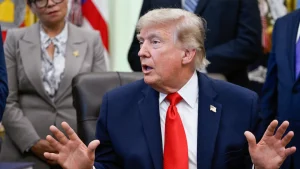

U.S. President Donald Trump says Russia and Ukraine have agreed to an immediate ceasefire targeting energy infrastructure, but questions are emerging over whether the arrangement is being respected.
Trump announced the agreement on Sunday without providing specific terms. Shortly afterward, Ukrainian President Volodymyr Zelenskyy reported continued Russian attacks on Ukrainian energy facilities, including a power plant in the northeastern city of Kharkiv. The conflicting accounts raise doubts about whether the proposed truce can reduce attacks on critical infrastructure as the war continues.
A proposed halt to attacks on energy infrastructure between Russia and Ukraine is facing an early test after President Donald Trump announced what he described as an immediate “energy ceasefire.”
In a brief social media statement on Sunday, Trump said the two countries had agreed to stop attacks on energy facilities. He did not explain the terms of the arrangement, how compliance would be monitored, or whether either side had formally confirmed the agreement.
Moscow had not immediately commented on the announcement in the report provided.
Ukrainian President Volodymyr Zelenskyy welcomed the announcement as potentially positive news but said Russian attacks were continuing.
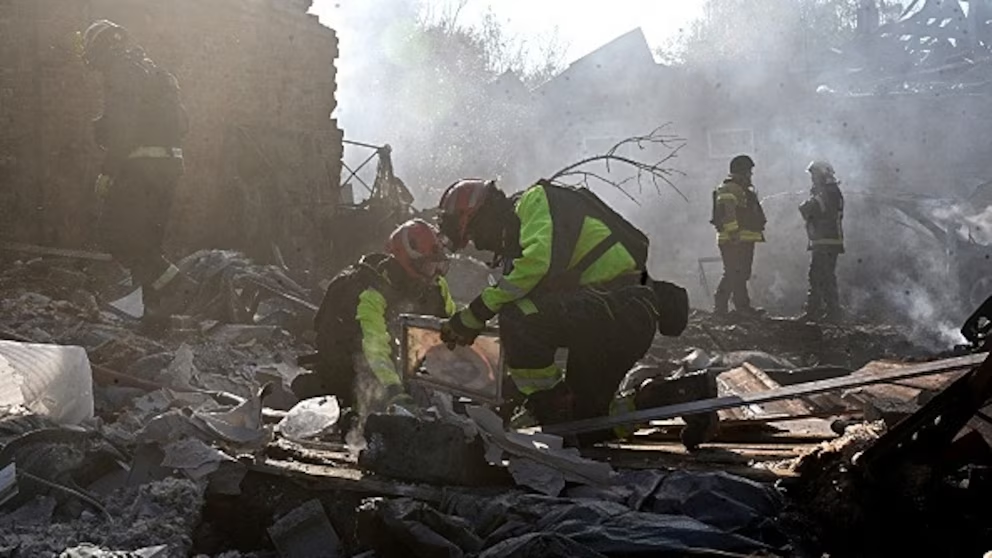
In an evening address, Zelenskyy reported Russian drone activity, glide-bomb strikes, and attacks on energy infrastructure in Kyiv and Kharkiv. Ukraine’s presidential office said a power plant in Kharkiv was struck after Trump published his announcement.
Zelenskyy said Ukraine was prepared to stop targeting Russian energy facilities if Moscow showed the same commitment. The competing statements have left the status of the proposed ceasefire uncertain.
Energy facilities have become a major target in the conflict, with attacks threatening electricity supplies, heating, and other essential services for civilians.
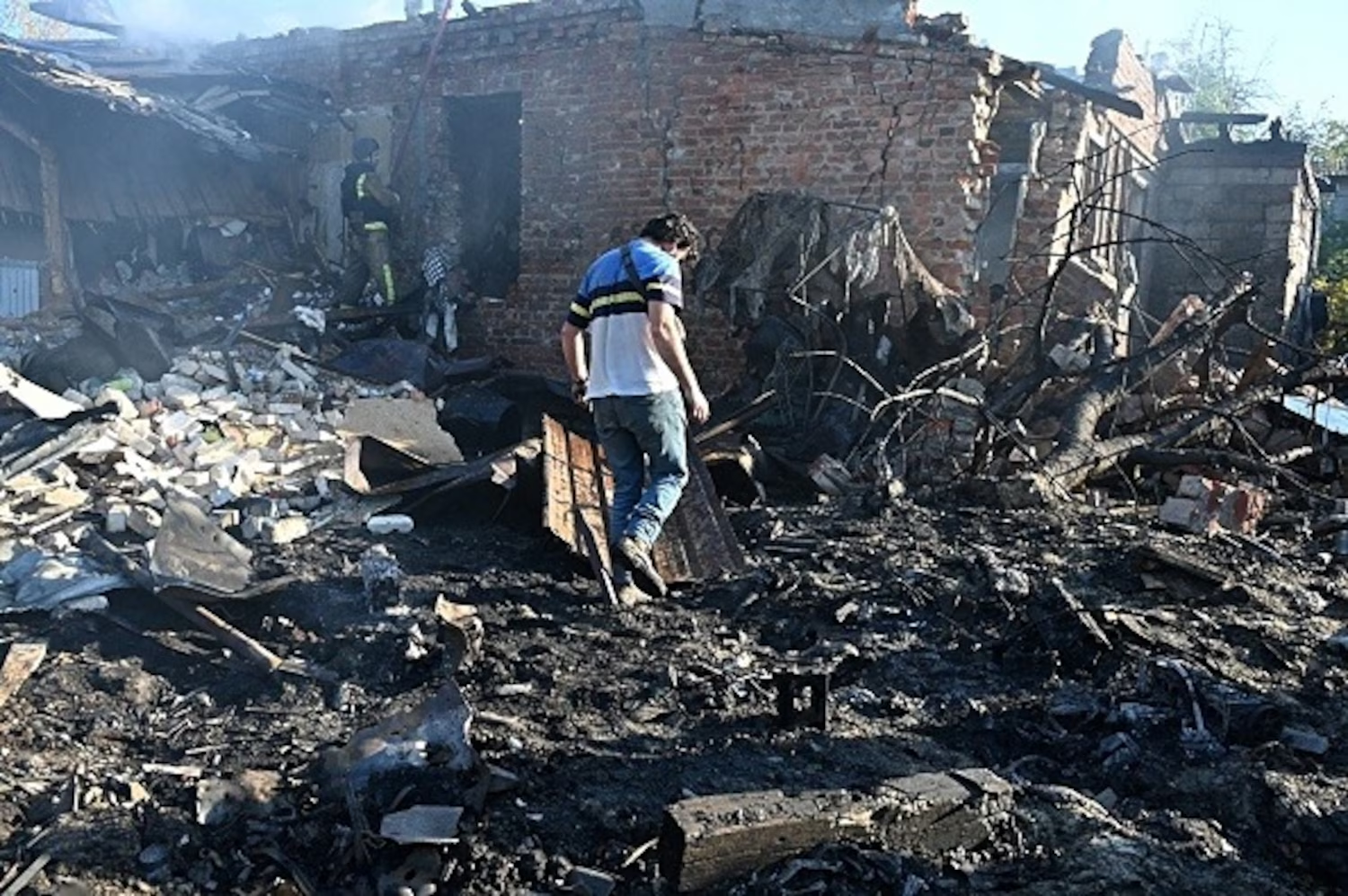
Sergey Bobok/AFP via Getty Images
Ukrainian officials have repeatedly accused Russia of attempting to weaken public morale by striking infrastructure that households and businesses depend on, particularly during colder periods.
At the same time, Ukraine has conducted attacks against Russian infrastructure, including oil refineries and other facilities that contribute to Moscow’s economy and war effort.
A genuine agreement to halt such attacks could reduce risks to civilian services and potentially create space for broader diplomatic discussions. However, without clear terms and evidence of compliance, it remains uncertain whether the announcement will lead to a sustained reduction in hostilities.
Zelenskyy said Kyiv had previously proposed steps to reduce tensions, but accused Russian President Vladimir Putin of rejecting those initiatives. He added that Ukraine remained in contact with Washington and was consulting international partners about the latest development.
The ceasefire announcement follows a period of public tension between Trump and Zelenskyy.
On Saturday, Trump called for Ukraine to choose a new president, arguing that Zelenskyy had not done enough to bring the war to an end. Trump also linked Ukraine’s attacks on Russian energy infrastructure to high diesel prices in the United States.
Zelenskyy responded by saying Ukraine could organize elections if Russia agreed to a full 60-day ceasefire.
He emphasized that the choice of Ukraine’s leadership should be made by Ukrainian citizens. He also said that elections would require security guarantees because of the ongoing war.
Ukraine has remained under martial law since Russia launched its full-scale invasion in February 2022. Under the country’s current constitutional framework, national elections cannot be held while martial law remains in force.
The practical challenges are also substantial: Russian forces occupy part of Ukrainian territory, millions of Ukrainians have been displaced, and many military personnel remain deployed on the front lines.
Zelenskyy’s presidential term formally reached its scheduled end in May 2024, but Ukraine’s constitutional provisions allow him to remain in office until a successor is sworn in.
Meanwhile, the conflict has continued to affect infrastructure far from the front lines.
A Ukrainian drone attack reportedly disrupted a Yandex data center in the Russian city of Vladimir, east of Moscow, causing outages across several of the technology company’s services.
Russian independent outlet Astra reported that users in multiple Russian cities and in Kazakhstan, Belarus, and Armenia experienced problems accessing services, including taxi bookings and online platforms.
Yandex Cloud said operations at the affected data center had been halted, while reporting no injuries.
The incident followed other reported drone attacks on Yandex facilities in Russia’s Ryazan and Kaluga regions over several days.
Yandex operates Russia’s leading search engine and a broad range of digital services. The disruptions illustrate how attacks on infrastructure can affect everyday activities, communications, and commercial operations well beyond military positions.
The humanitarian toll of the war has also continued to rise.
Ukrainian President Zelenskyy said the death toll from a Russian bombing in the southern city of Zaporizhzhia had reached 23 people, including four children.
More than 30 people were reportedly wounded, with several remaining in hospital after the attack. Search-and-rescue operations were later reported to have concluded.
Separately, Russian officials said a Ukrainian drone strike in the border region of Bryansk killed one man and wounded two women.
These reports underline that civilians on both sides of the conflict remain exposed to the consequences of continuing attacks, even as diplomatic efforts are discussed.
The proposed energy ceasefire now faces a critical question: will Russia and Ukraine stop attacking each other’s energy facilities, and how will any violations be addressed?
Trump has been pressing Zelenskyy to halt strikes on Russian energy infrastructure, while Kyiv has called on Washington to press Moscow to stop attacks against Ukrainian power facilities.
The announcement also comes amid wider disagreements over U.S. policy toward Russia, including a reported agreement for Moscow to supply diesel to the United States. Ukrainian and European officials have criticized that arrangement, warning that Russian energy revenues could help finance the war.
For now, the lack of publicly detailed terms and reports of continued attacks make it difficult to determine whether a functioning ceasefire is in place.
President Trump’s announcement has raised hopes for a possible pause in attacks on critical energy infrastructure, but Ukraine’s reports of continued strikes suggest that the proposed arrangement remains uncertain.
The coming days will be important in determining whether Moscow and Kyiv can turn the announcement into a verifiable commitment or whether attacks on essential infrastructure will continue.
Reporting by Sandra Lomami For SNEWS TV.