
U.S. President Donald Trump has called for Ukraine to elect a new president, sharply criticizing Volodymyr Zelenskyy over his handling of the war with Russia and accusing him of contributing to high diesel prices in the United States.
Trump’s remarks come amid controversy over a reported agreement for Russia to supply diesel to the United States, a move that has drawn criticism from Ukrainian and European officials who warn that Russian energy revenues could help finance Moscow’s war effort.
The comments also come as Russian strikes continue to hit Ukrainian communities, with officials in Ukraine reporting at least 20 people killed in attacks in the Zaporizhzhia region.
President Donald Trump has intensified his criticism of Ukrainian President Volodymyr Zelenskyy, arguing that Ukraine needs new leadership capable of negotiating an agreement to end the war with Russia.
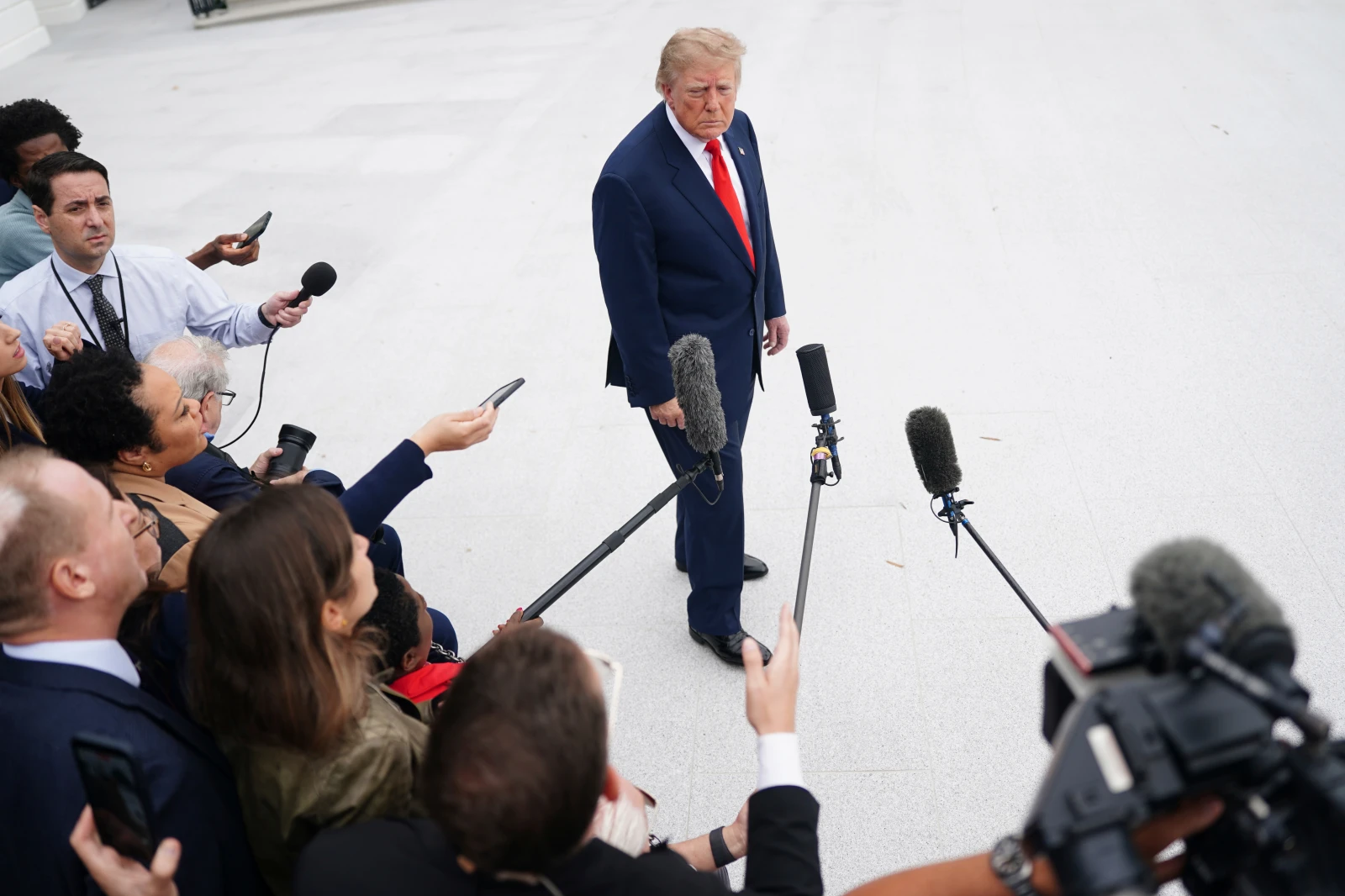
Speaking to reporters on Saturday, Trump said he believed Zelenskyy had missed opportunities to reach a settlement and suggested that a change in leadership could open the door to a deal.
Trump also accused the Ukrainian president of contributing to global economic difficulties, particularly the high cost of diesel fuel affecting American farmers and ranchers.
The remarks mark another escalation in Trump’s public criticism of Kyiv as the war continues and Washington faces pressure over rising energy prices.
However, Trump’s claims linking Zelenskyy to high U.S. diesel prices are disputed by the broader context of the energy market. The article points to several contributing factors, including disruptions to oil supplies from the Middle East following the outbreak of the Iran war.
The president’s comments followed his announcement of an agreement under which Russia would supply substantial quantities of diesel to the United States.
According to Trump’s announcement, Russia would initially deliver more than 300,000 tons, followed by additional shipments in November and further supplies afterward.
The arrangement has raised concerns among Ukrainian and European officials, who argue that revenue from Russian energy exports could help fund Moscow’s military operations.
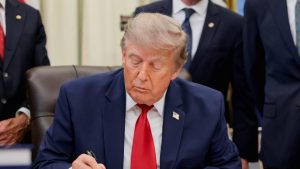
The deal has also prompted questions about its relationship with Washington’s existing sanctions policy. Trump signed a sanctions measure targeting Russian oil and gas revenues the previous month, making the reported diesel arrangement a notable shift in approach.
A senior Ukrainian official told The Associated Press that Kyiv had not been informed of the arrangement before it was publicly announced. The official also said the agreement was separate from discussions between Ukrainian representatives and U.S. officials about a possible peace proposal.
Trump also argued that the war, which began with Russia’s full-scale invasion of Ukraine in February 2022, could have been avoided under different leadership. He claimed that Ukraine had lost a substantial portion of its territory and that the conflict had resulted in enormous casualties.
However, the figures cited in his remarks should be treated cautiously. Independent estimates referenced in the article indicate that Russia controls approximately one-fifth of Ukraine’s territory, rather than the larger proportion suggested by Trump. Reliable, up-to-date totals for Ukrainian military deaths remain unavailable, while estimates of Russian casualties vary.
Ukraine maintains that Russia bears responsibility for launching the full-scale invasion and continues to call for security guarantees and international support.
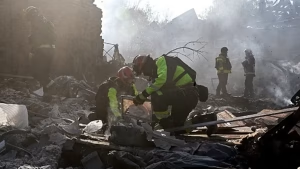
Trump’s intervention came as Ukraine reported another deadly wave of Russian attacks. According to Ukrainian officials, Russian aerial bombs struck residential buildings in the Zaporizhzhia region on Saturday, killing at least 20 people, including three children. At least 18 others were reported wounded.
Ukraine’s State Emergency Service said emergency responders were working to assist survivors and deal with the aftermath of the bombardment.
President Zelenskyy condemned the attacks and criticized the prospect of Russia receiving additional revenue from diesel exports. In a social media statement, he argued that money earned through energy sales could be used to purchase weapons, improve drones, expand missile production, and support recruitment.
Zelenskyy also said Ukraine was coordinating with international partners to strengthen its air defenses in anticipation of possible further attacks.
The reported civilian deaths underscore the continuing human cost of the war, even as diplomatic efforts to secure a settlement remain under discussion. European leaders have reacted with concern to the reported U.S.-Russia diesel arrangement.
Swedish Prime Minister Ulf Kristersson said his government regretted the agreement, arguing that Russian energy income remains an important source of funding for Moscow’s military campaign.
Germany reiterated its commitment to sanctions against Russia and said it would continue working with European partners on additional measures. Polish Foreign Minister Radoslaw Sikorski also questioned whether Russia could deliver the promised volumes, pointing to reported damage to Russian refining infrastructure and fuel-supply concerns.
European officials have emphasized that their support for Ukraine remains in place despite the latest announcement from Washington.
The disagreement highlights a growing diplomatic challenge: balancing efforts to reduce fuel costs with concerns that commercial arrangements could provide financial benefits to a country engaged in a major war.
The diesel announcement came as U.S. envoy Steve Witkoff and presidential adviser Jared Kushner met with Ukrainian officials in Miami to discuss proposals aimed at ending the conflict.
According to the Associated Press report, Ukraine’s delegation was not aware of the diesel agreement before it was announced publicly. The Ukrainian official said the arrangement was not connected to the issues being discussed during the Florida meetings. The development raises questions about coordination between Washington and Kyiv as both sides consider possible paths toward ending the war.
For Ukraine, any settlement remains closely tied to territorial security, protection against future attacks, and the role of international partners. For the Trump administration, energy prices and negotiations with Moscow have become increasingly prominent parts of its approach to the conflict.
President Trump’s call for a new Ukrainian leader has added another point of tension to an already difficult relationship between Washington and Kyiv.
While the U.S. president argues that Ukraine needs leadership prepared to reach a deal, Ukrainian officials continue to condemn Russian attacks and warn that additional Russian energy revenue could strengthen Moscow’s war effort.
With civilian casualties mounting and European allies questioning the reported diesel arrangement, the prospects for a diplomatic breakthrough remain uncertain.
Reporting by Sandra Lomami For SNEWS TV.