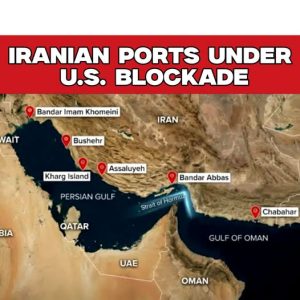

The conflict between the United States and Iran has intensified with a new wave of military and maritime incidents across the Middle East. Commercial shipping in the Strait of Hormuz has come under attack, while Iran says it also targeted U.S. military facilities in Jordan. The developments have heightened concerns over regional security and global energy supplies.
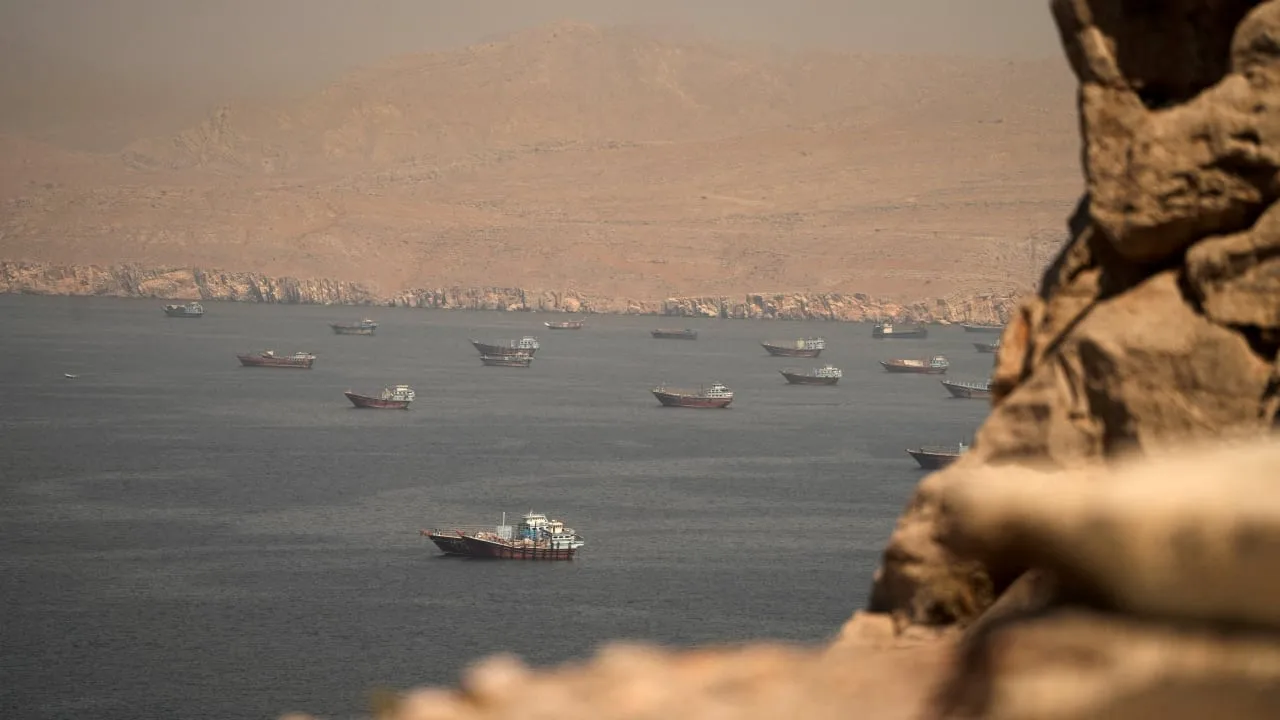
The United Arab Emirates says two of its commercial tankers were struck by cruise missiles while transiting the Strait of Hormuz, leaving one crew member dead and several others injured in one of the most serious attacks on commercial shipping since the current conflict began.
According to the UAE Ministry of Defense, the vessels sustained significant damage after fires broke out onboard. Emergency crews later brought both fires under control.
Officials said one Indian crew member was killed in the attack, while eight others were injured, including Indian and Ukrainian nationals. Medical teams continue to treat the wounded.
The UAE strongly condemned the attack, describing it as a violation of international law. Government officials said the country remains on high alert and reserves the right to take measures necessary to protect its sovereignty, territorial integrity, and maritime security.
Separately, the United Kingdom Maritime Trade Operations agency reported that another commercial tanker operating near the coast of Oman was struck by what it described as an unidentified projectile. Authorities said no injuries were reported in that incident, and an investigation is underway.
Iran’s Islamic Revolutionary Guard Corps later claimed responsibility for attacking two vessels in the Strait of Hormuz. Iranian officials alleged that the ships had ignored warnings and entered what they described as a restricted or dangerous maritime route. Those claims have not been independently verified.
The attacks come amid growing disagreement between Washington and Tehran over security and navigation in the Strait of Hormuz, one of the world’s busiest energy shipping corridors.
President Donald Trump recently announced that the United States would reinforce efforts to protect maritime traffic through the strategic waterway, while Iranian officials rejected any U.S. role in determining security arrangements there.
Military tensions also spread beyond the Gulf.
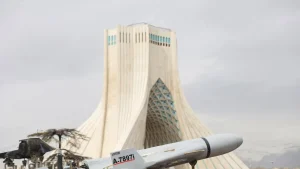
Iran announced that it launched ballistic missiles toward a U.S. military installation in Jordan, describing the strike as a response to continued American military operations. Jordanian authorities and U.S. officials have not released detailed assessments regarding the reported attack.
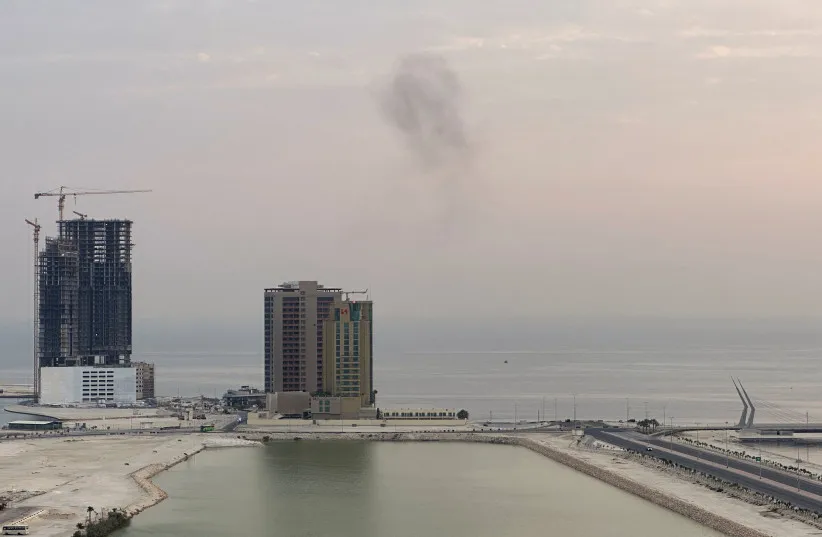
Meanwhile, Bahrain reported activating its air defense systems after detecting incoming aerial threats. Iranian state media also claimed that drones targeted facilities associated with U.S. military operations elsewhere in the Gulf region.
However, U.S. Central Command rejected Iranian claims that American military infrastructure had suffered significant damage, calling those reports inaccurate.
At the same time, military operations inside Iran have continued.
Iranian officials reported that recent U.S. airstrikes struck several locations in southern Iran. Local authorities acknowledged damage in some areas and confirmed casualties in Hormozgan Province, while officials in Bushehr Province said the overall security situation there remained stable.
The latest exchanges represent another significant escalation in a conflict that continues to affect multiple countries across the Middle East.
International observers warn that continued attacks on commercial shipping and military facilities could further disrupt global trade, increase pressure on international energy markets, and raise the risk of a broader regional confrontation.
Diplomatic efforts to reduce tensions remain ongoing, but with military operations continuing on multiple fronts, uncertainty persists over the prospects for restoring stability in the Gulf region.
Swati Montel, Reporting for SNEWS TV.