
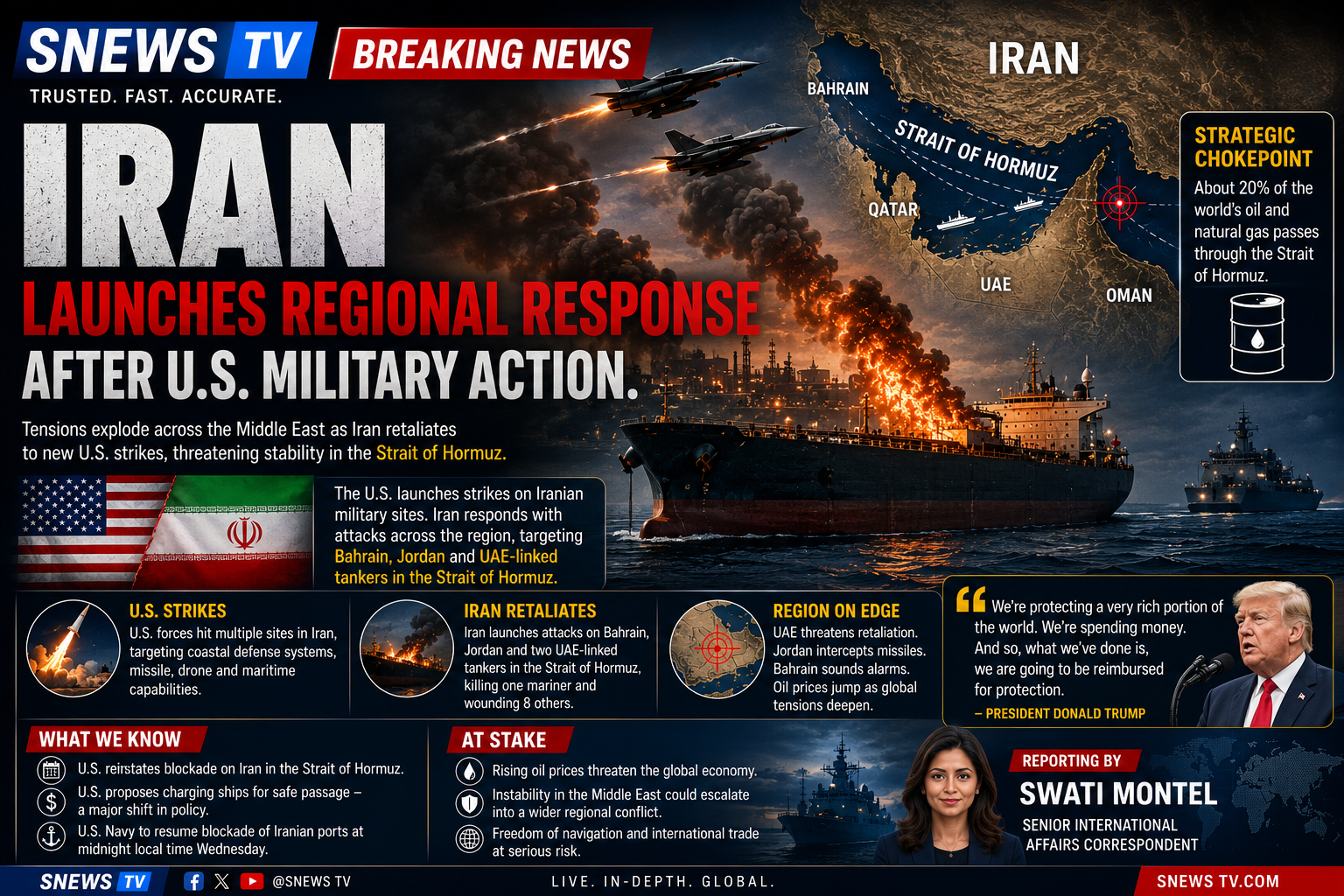
The Middle East is witnessing another sharp escalation after the United States launched a new round of military strikes against Iran, prompting Tehran to respond with attacks across the region. The latest developments have heightened concerns over security in the Strait of Hormuz, one of the world’s most important energy shipping routes, while raising fears of wider regional instability.
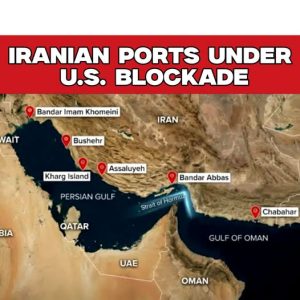
The United States carried out fresh military strikes on multiple locations in Iran early Tuesday, hours after President Donald Trump announced that Washington would reinstate a blockade targeting Iran in the Strait of Hormuz.
According to the U.S. military, the operation targeted coastal defense systems, missile and drone facilities, and maritime infrastructure along Iran’s southern coastline. American officials said the strikes were intended to reduce Iran’s ability to conduct attacks against commercial shipping and military assets operating in the Gulf region.
President Trump described the operation as another major military action and said the United States would continue efforts to secure navigation through the strategically important waterway.
The president also announced a policy proposal under which commercial vessels receiving U.S. naval protection could be required to pay fees for safe passage through the Strait of Hormuz, a move that would represent a significant departure from longstanding U.S. support for unrestricted freedom of navigation.
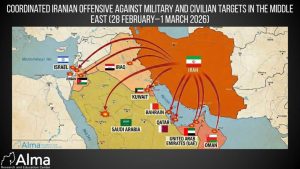
Iran responded by launching missile attacks targeting several locations across the Middle East.
Regional authorities reported attacks involving Bahrain and Jordan, while two commercial tankers associated with the United Arab Emirates were struck while transiting the Strait of Hormuz. Officials in the UAE said one crew member was killed and several others were injured after the vessels caught fire. Emergency responders later extinguished the fires.
Iran’s Revolutionary Guard claimed responsibility for the attacks on the tankers, saying the vessels had ignored repeated warnings while traveling through the disputed waterway.
Bahrain activated air raid sirens as missiles were detected, while Jordan announced that its air defense systems intercepted several incoming projectiles. Authorities in both countries continued assessing the situation as regional security forces remained on high alert.
Following the attacks, the United Arab Emirates strongly condemned the strikes on commercial shipping and stated that it reserves the right to respond in accordance with its national security interests.
The U.S. Embassy in Abu Dhabi and the U.S. Consulate in Dubai also announced the temporary suspension of routine consular services because of the deteriorating regional security environment.
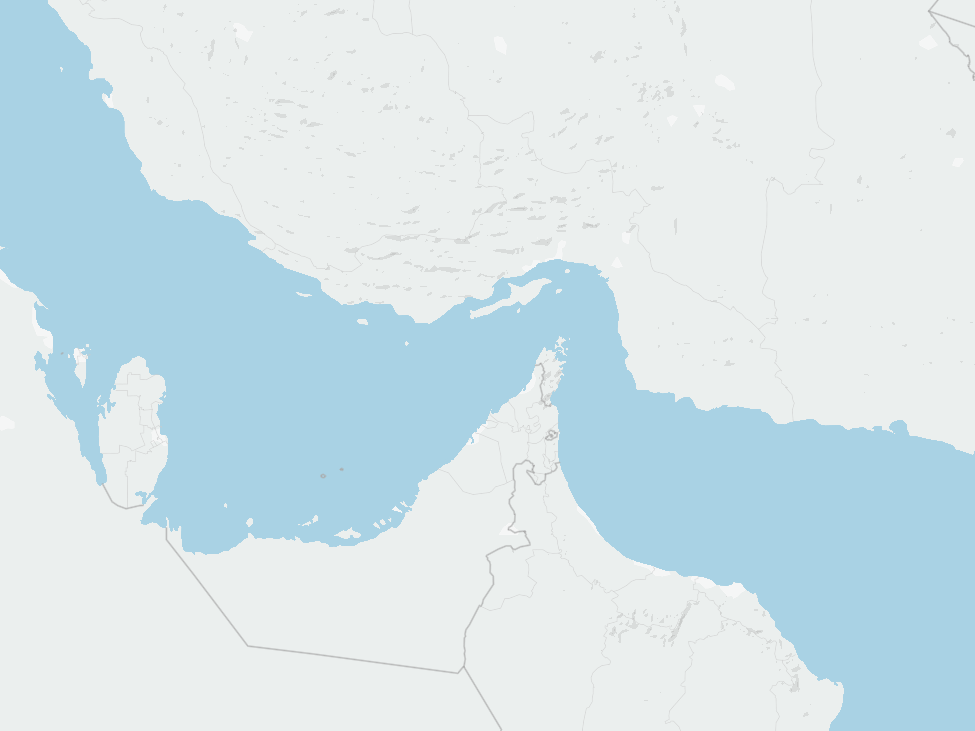
At the center of the confrontation is the Strait of Hormuz, a narrow maritime corridor that serves as one of the world’s most critical energy transit routes. A substantial share of globally traded crude oil and liquefied natural gas passes through the passage, making any disruption a matter of international economic concern.
Global energy markets reacted to the renewed fighting, with benchmark oil prices climbing as investors weighed the possibility of further interruptions to shipping and energy supplies.
Diplomatic tensions have also intensified.
President Trump argued that Iran had failed to comply with the terms of an interim agreement designed to reduce hostilities and reopen the Strait of Hormuz to international commerce.
Iran, however, maintains that it has the authority to regulate maritime traffic in accordance with its interpretation of the agreement, while the United States disputes that position and continues to support unrestricted international navigation through the waterway.
International observers warn that continued military exchanges between Washington and Tehran risk undermining ongoing diplomatic efforts aimed at preventing a broader regional conflict.
The United Nations and several governments have renewed calls for restraint, emphasizing the importance of protecting civilian lives, safeguarding international shipping, and pursuing diplomatic solutions to avoid further escalation.
As military operations continue and negotiations remain uncertain, the Strait of Hormuz remains one of the world’s most closely watched geopolitical flashpoints, with developments likely to have significant implications for regional security, global energy markets, and international trade.
Swati Montel, Reporting for SNEWS TV.