

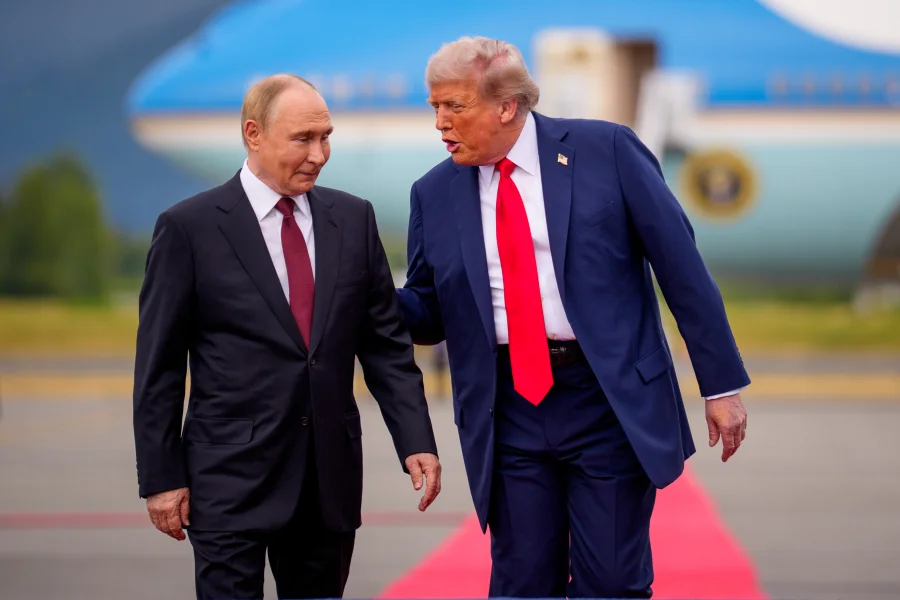
U.S. President Donald Trump has temporarily waived sanctions targeting Russia under a newly enacted law designed to pressure Moscow over its ongoing war against Ukraine. The decision comes as the Trump administration seeks to stabilize fuel supplies and contain rising energy costs amid the U.S. war with Iran. The move has drawn criticism from Ukrainian President Volodymyr Zelenskyy and lawmakers from both major U.S. political parties.
Trump invokes national interest to waive sanctions
On Friday evening, Trump signed an executive order suspending the application of sanctions and related restrictions предусмотрed under the Graham Act, a legislative package named in honor of the late Republican senator Lindsey Graham.
The law was designed to increase economic pressure on Russia by targeting major purchasers of Russian energy and entities accused of helping Moscow circumvent existing sanctions.
In his executive order, Trump argued that the legislation allows the president to waive certain sanctions provisions when doing so serves U.S. national interests. He also stated that his administration had submitted the required certification to Congress to justify the waiver.
The decision effectively pauses the planned sanctions before they can take effect, raising questions about Washington’s strategy toward Moscow and its efforts to end the war in Ukraine.
Energy supplies at the center of the decision
The waiver follows a reported agreement between Washington and Moscow allowing Russia to sell diesel products to the United States and international markets amid global fuel shortages.
According to Trump, Russia could initially supply 300,000 tons of diesel, followed by another 500,000 tons in November and an additional one million tons afterward.
The administration’s approach comes as energy prices face pressure from the conflict involving Iran. Supporters of the move may argue that expanding fuel supplies could help ease shortages and stabilize prices. Critics, however, warn that renewed Russian energy transactions could provide Moscow with additional revenue while its war against Ukraine continues.
Zelenskyy expresses disappointment
Ukrainian President Volodymyr Zelenskyy criticized the direction of U.S. policy, telling interviewer Piers Morgan that he felt “betrayed” by Trump’s decision.
Zelenskyy also emphasized that Ukraine’s survival is at stake, suggesting that the consequences extend beyond personal disappointment or diplomatic disagreements.
The decision has also triggered opposition in the U.S. Congress. Five Republican lawmakers joined Democratic colleagues in urging the administration to reverse the relief and avoid issuing further authorizations that could reopen Russian energy transactions.
In a letter to the administration, the lawmakers warned that such transactions could restore revenue to the Kremlin’s military resources.
What comes next?
Trump’s decision highlights the difficult balance facing Washington: limiting Russia’s ability to finance its war while addressing energy shortages and domestic fuel costs. Whether the waiver will remain in place, and how it will affect relations with Ukraine and other U.S. allies, remains uncertain.
The development also raises broader questions about the effectiveness of sanctions as a foreign-policy tool when economic and strategic priorities compete.
Reporting by Katy Moore For SNEWS TV.