
Tensions across the Middle East have escalated once again as Iran warned that regional energy exports could face further disruption following a new wave of U.S. military strikes and the reimposition of Washington’s naval blockade.
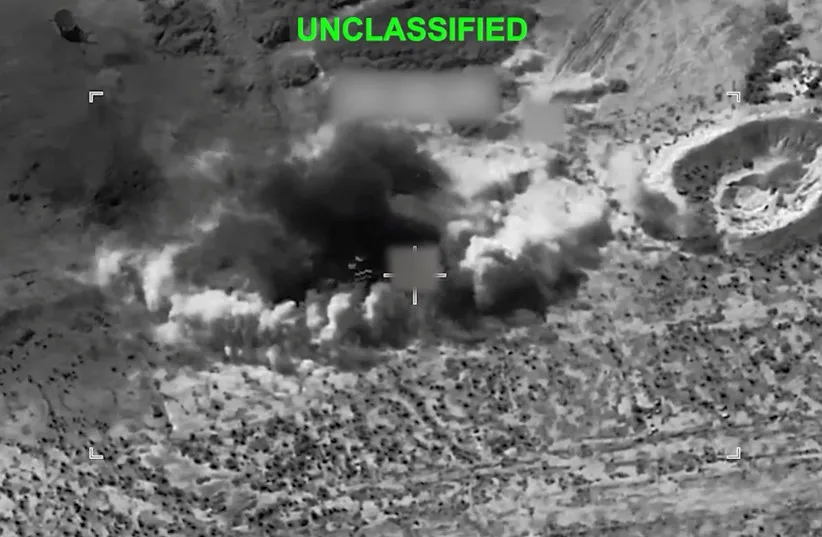
The United States said its forces carried out coordinated attacks Wednesday against Iranian coastal defense systems, missile storage facilities, and launch sites near the strategic Strait of Hormuz. According to U.S. Central Command, the strikes were designed to reduce threats to commercial shipping and ensure freedom of navigation through one of the world’s busiest energy corridors.
American officials said the military operation also targeted capabilities that could be used in future attacks against vessels transiting the strait, while confirming that the latest round of strikes had concluded.
Iranian media reported explosions near several locations, including Ahvaz, Bandar Abbas, Konarak, Sirik, and Qeshm. Iranian state television also reported that an area near a hospital in Ahvaz was struck, prompting the temporary evacuation of patients, although independent verification of the reported damage was not immediately available.
Iran’s parliamentary speaker and chief negotiator, Mohammad Baqer Qalibaf, described the confrontation as an “existential war” with the United States and warned that Tehran would continue defending what it considers its strategic interests in the Strait of Hormuz.
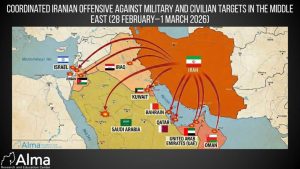
The Iranian government also signaled that it could expand pressure on regional energy supplies if hostilities continue. Iran’s Revolutionary Guard said it had launched attacks against U.S.-related military targets in Bahrain, Kuwait, and Jordan. Kuwaiti authorities reported intercepting several missiles and drones without casualties or significant damage.
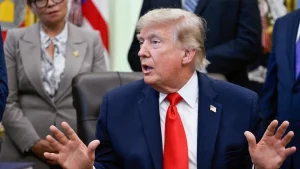
Meanwhile, President Donald Trump said he believes Iran is seeking a negotiated settlement despite the ongoing military confrontation.
Speaking at a defense summit in Pennsylvania, the president stated that Iranian leaders “want to settle” and said Washington would decide whether to pursue diplomacy or continue military pressure.
The confrontation has also affected maritime security. According to U.S. Central Command, American forces disabled a Curaçao-flagged oil tanker after accusing the vessel of attempting to violate the U.S. naval blockade by sailing toward Iran’s Kharg Island oil terminal despite repeated warnings.
The latest escalation follows the collapse of an interim ceasefire agreement that had been intended to pave the way for broader negotiations, including discussions over Iran’s nuclear program.
Iran’s Foreign Ministry said there are currently no plans to resume negotiations, emphasizing that the country’s immediate priority remains national defense. Iranian officials also warned that Tehran may no longer consider itself bound by previous understandings if it does not receive the expected benefits from earlier agreements.
The Strait of Hormuz remains at the center of the crisis. The waterway carries a significant share of the world’s oil and liquefied natural gas exports, and continued instability has contributed to rising global energy prices, with Brent crude climbing to its highest level in nearly a month.
International observers continue to urge restraint, warning that further escalation could threaten regional stability, global shipping, and international energy markets.
Swati Montel, Reporting for SNEWS TV.