we turn our focus to South Africa — where a familiar chant from the country’s anti-apartheid era has once again ignited fierce global debate, not for what it says, but for what it represents.
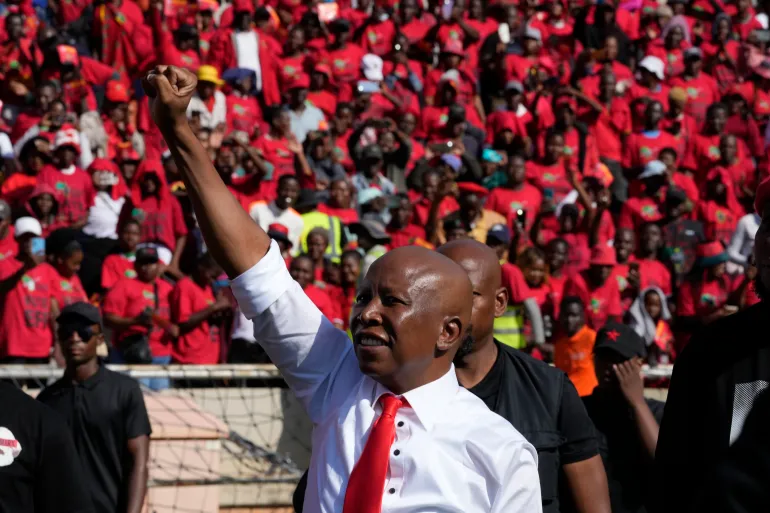
On May 25, Julius Malema, the outspoken leader of the Economic Freedom Fighters, or EFF, ended a rally in the Free State province with his usual sign-off a rendition of the liberation song “Dubul’ ibhunu,” Xhosa for “Kill the Boer,” referring to white farmers. The chant, once a battle cry during apartheid, is now seen by some as controversial and incendiary.
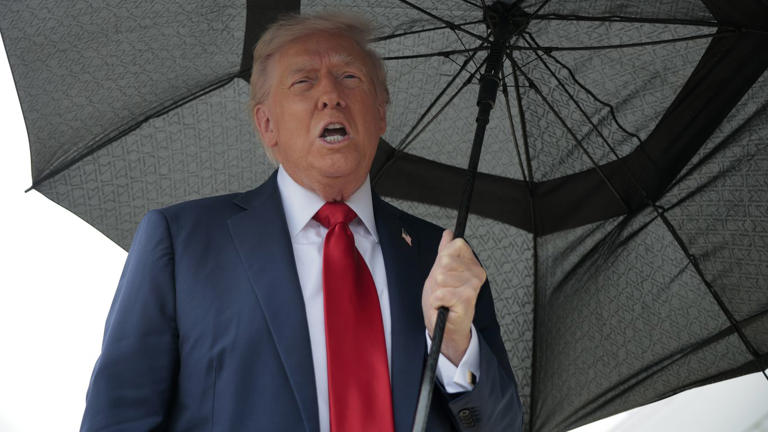
The uproar escalated when former U.S. President Donald Trump, during a meeting with South African President Cyril Ramaphosa at the White House just days earlier, played a clip of the chant. Trump called it “proof” of what he described as a “white genocide” in South Africa a claim widely debunked and dismissed by the international community.
Yet Malema has sung this song for years, and back in 2022, South Africa’s Equality Court ruled it did not constitute hate speech. For Malema, it’s not a call to violence, it’s a reminder of unresolved injustice. But for Trump and his allies, including Elon Musk, it’s become a flashpoint in a much broader, highly politicized narrative.
Analysts say the real story here is not the song, but the painful legacy of colonialism and apartheid, which still haunts the socioeconomic realities of millions of Black South Africans. The song echoes because the conditions that gave birth to it land dispossession, racial inequality, economic exclusion — remain largely unhealed.
Malema and the EFF have built their movement on a radical economic platform. Land expropriation without compensation, nationalization of mines, and Pan-Africanism are central to their vision. Their calls echo past revolutionaries — from Robert Sobukwe and Steve Biko to Thabo Mbeki, who all emphasized African unity, pride, and economic liberation.
And South Africa isn’t alone. From Zimbabwe’s land reforms to Libya under Gaddafi, to recent mine nationalizations in Burkina Faso, Mali, and Niger, African nations are increasingly reclaiming economic control from foreign powers. The momentum for postcolonial justice is growing.
Yet South Africa remains the world’s most unequal country. With a staggering Gini coefficient, income and opportunity gaps still fall along racial lines. Even 30 years after apartheid’s fall, the dream of economic freedom is far from realized for many.
Adding fuel to the fire, Trump’s February 7 sanctions against South Africa, citing its new Expropriation Act, have been seen by many as tone-deaf. While intended to punish, experts suggest the move may actually strengthen African resolve to chart their own path — with or without Western approval.
Trump’s rhetoric may play well to a domestic audience, but in South Africa and across the continent, it has stirred resentment and a growing anti-Western sentiment. Many African nations are now turning to alternative partners, including China and Russia, and rejecting institutions tied to their colonial past.
At the heart of it all is a truth that transcends borders: people want justice, not pity. They want land, not lectures.
So, when Malema sings “Dubul’ ibhunu,” it’s not a literal threat — it’s a cry of frustration, a demand for change, and a reminder that the promises of liberation remain unmet. Until those promises are fulfilled, that cry will not be silenced.