A central question emerging from the stunning U.S. operation that led to the capture of Venezuela’s President Nicolás Maduro is this: why did Venezuela’s armed forces fail to defend him? And, we are going to break down the military, political, and structural factors behind that surprising outcome.
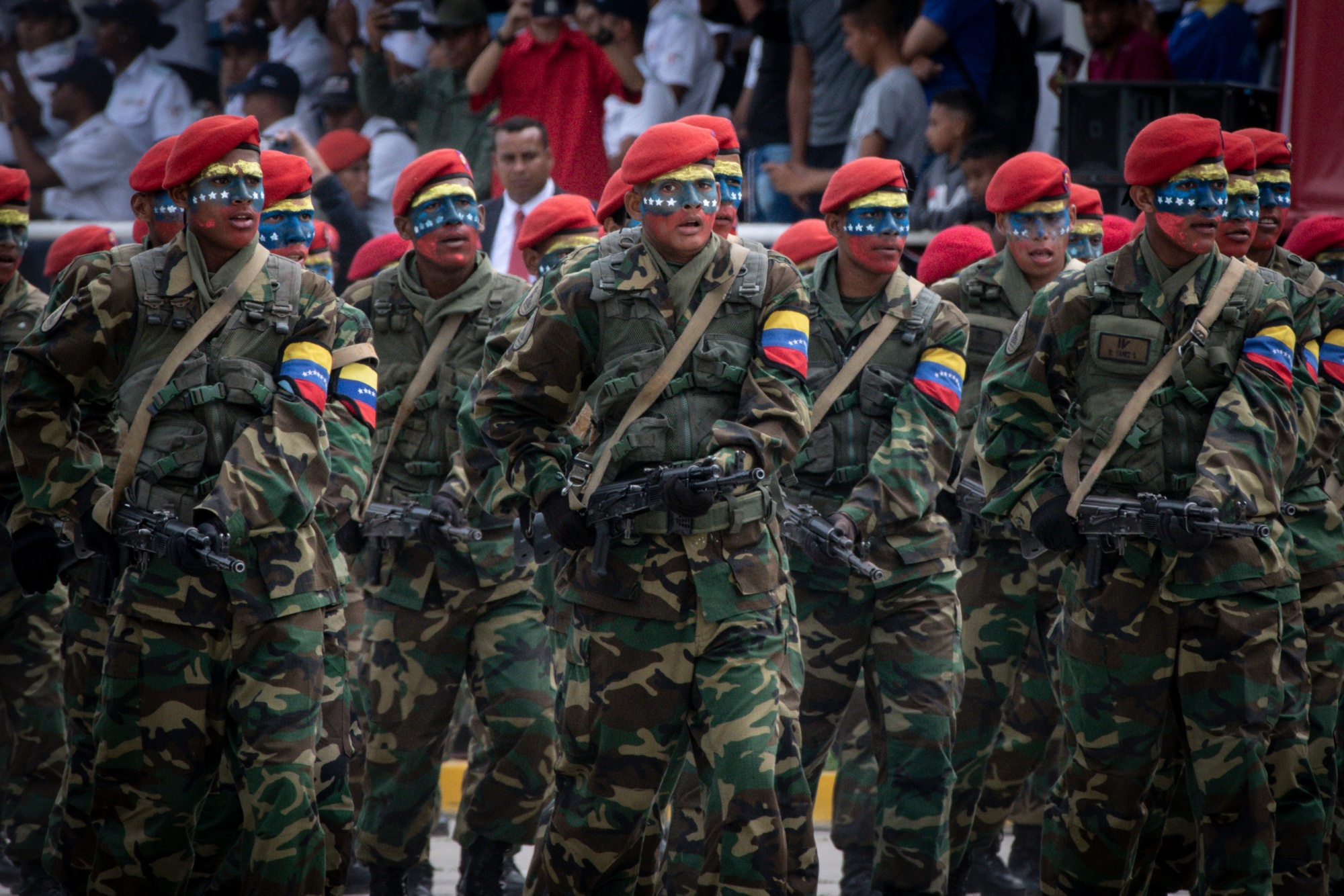
For decades, Venezuela’s armed forces were viewed as the backbone of the regime in Caracas — a large and politically influential institution armed with Russian-made weapons and bolstered by oil revenues. Yet, when U.S. forces launched their precision raid in early January, Venezuelan defenses appeared unable to mount a coordinated response.
Surprise and Poor Preparedness
One key reason for the breakdown was surprise. The U.S. strike was planned and executed with secrecy and speed, catching Venezuelan air defenses and command structures off guard. Radar systems and air defenses were reportedly neutralized through advanced electronic warfare techniques, leaving Venezuelan forces unable to detect or respond to U.S. helicopters and aircraft.
Experts point out that Venezuelan systems sat exposed and poorly camouflaged, a reflection of training shortcomings and lax operational readiness. Forces tend to fight the way they train — and in Venezuela’s case, outdated training and equipment left units unprepared for a sudden, highly coordinated assault.
A Politicized Military Structure
Historically, Venezuela’s military expanded not just in size but in political loyalty mechanisms. Leaders, from Hugo Chávez through Nicolás Maduro, filled the ranks with loyalists, creating many senior positions that fragmented unity of command. This strategy was designed to ensure political loyalty, but may have weakened operational effectiveness in a real crisis.
At the same time, internal divisions and low morale have eroded the force’s cohesion. Corruption and economic collapse have further sapped capability, as everyday soldiers earn wages that barely cover basic needs, while senior officers maintain privileges.
Dependence on Outsiders and Distrust
Another critical factor was trust — or the lack of it. According to multiple reports, Maduro increasingly relied on foreign personnel, particularly Cuban operatives, for his personal security rather than his own military. During the U.S. raid, scores of Cuban special forces guarding Maduro were killed, underscoring that his inner circle did not place full trust in Venezuelan troops.
This reliance on external protection highlighted deeper distrust within the regime — a military force that may have been loyal on paper, but lacked the will or cohesion to act decisively when the crisis came.
Equipment and Maintenance Challenges
Even Venezuela’s more advanced systems — including Russian-made air defense batteries — did not activate effectively during the raid. Analysts argue that years of economic decline, poor maintenance, and inadequate training degraded Venezuela’s defense infrastructure. Without functional radar and communication systems, the military could neither detect approaching aircraft nor coordinate a defense.
The Role of Intelligence and Internal Penetration
U.S. forces also benefited from superior intelligence. Reports suggest that precision information about Maduro’s location came from long-term monitoring, possibly involving an insider source. Such intelligence penetration can destabilize even robust defenses by allowing attackers to exploit blind spots.
And once defenses were compromised, coordination between units broke down rapidly — a common outcome when communication systems fail and troops have little strategic leadership or trust in command.
Political Considerations Within the Military
Finally, political dynamics play a role. Venezuelan military leaders have historically balanced loyalty to the regime against survival instincts. With U.S. forces demonstrating overwhelming capability, many commanders may have calculated that open resistance was futile and would only lead to catastrophic losses — a decision rooted as much in political self-preservation as military judgment.
In Summary
The failure of Venezuela’s armed forces to defend Maduro in the U.S. raid reflects a combination of surprise tactical execution, outdated equipment and training, internal distrust, reliance on foreign protection, and deep structural weaknesses within the military institution.
As Venezuela enters an uncertain political transition, understanding these military dynamics will be key to grasping how a once‑feared force was outmaneuvered so swiftly and decisively.
How Nicolas Maduro took the presidency in Venezuela Watch
That’s your in‑depth analysis on the modern weakness of Venezuela’s armed forces.
Reporting by Kathy Moore.