
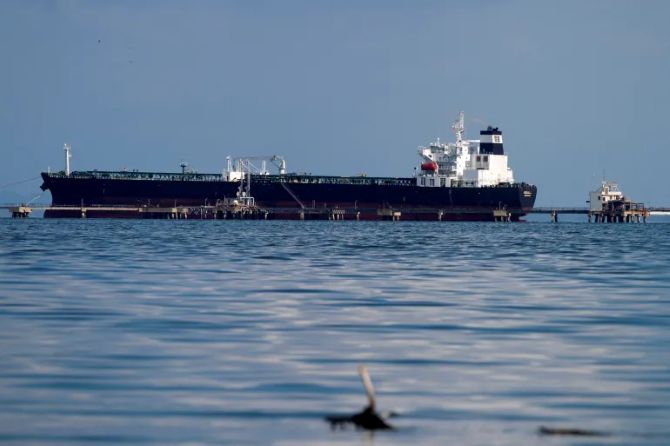
The capture of Venezuelan President Nicolás Maduro has reignited questions in the global oil market about the future of Venezuela’s oil industry under U.S. influence—and who stands to gain or lose from this potential shift.
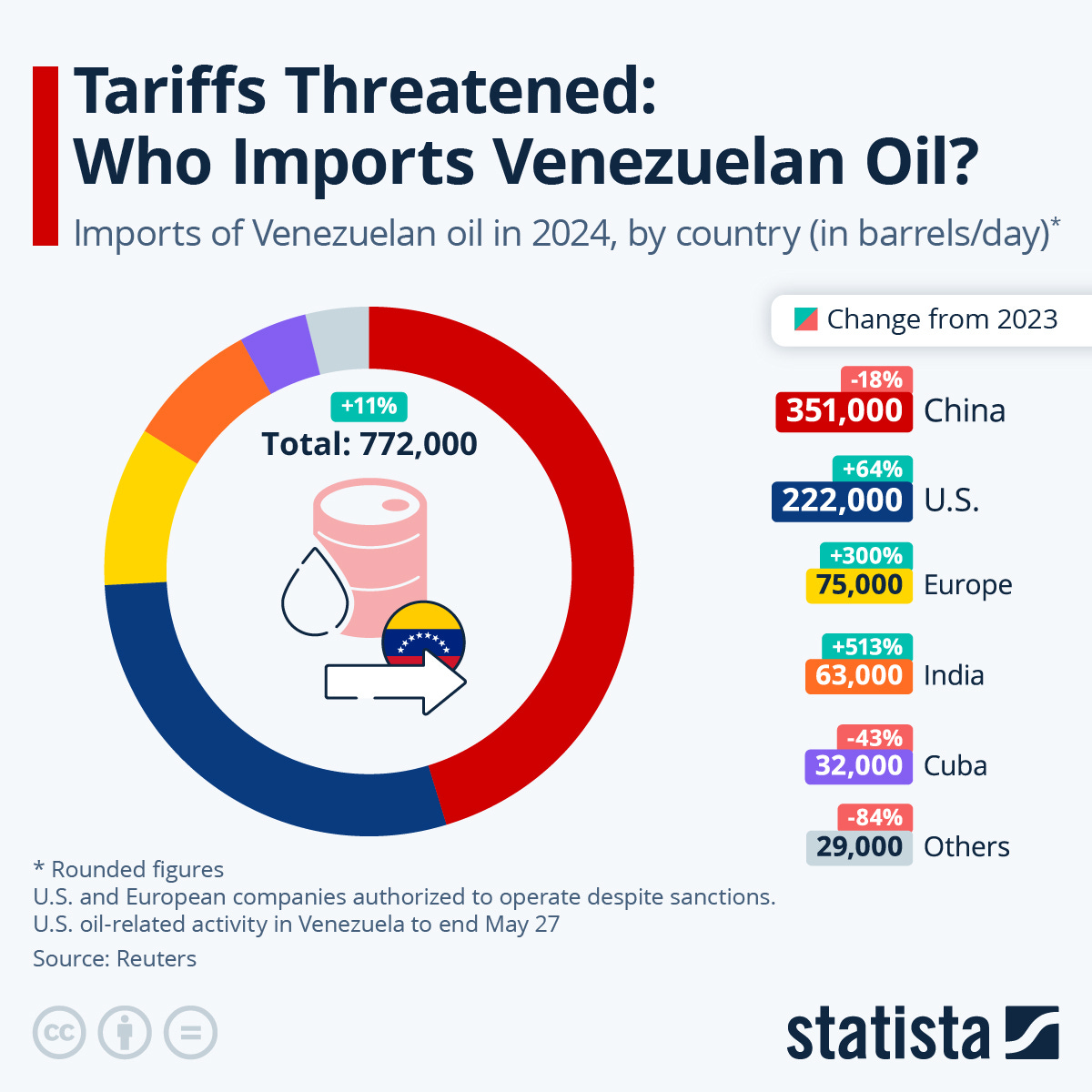
President Donald Trump recently confirmed that while sanctions on Venezuelan oil remain in effect, the U.S. plans to play a significant role in rebuilding the country’s heavily damaged oil infrastructure. Trump described it as a ‘reclamation project,’ with U.S. companies potentially reimbursed through direct access to Venezuelan crude.
Currently, Venezuela’s oil output accounts for just about 1% of the global supply. However, experts estimate that restoring an additional 500,000 barrels per day could cost between 15 and 20 billion dollars. Despite the hefty price tag, rehabilitating Venezuela’s existing heavy crude fields could be more cost-effective than investing in new offshore projects in places like Guyana or Brazil.
In the short term, however, global oil prices will continue to be driven by factors such as OPEC+ decisions, Russian exports, and overall demand rather than developments in Caracas.
The first winners in this evolving scenario are likely to be U.S. Gulf Coast refiners. These facilities are designed to process Venezuela’s heavy, sulfur-rich crude. Due to sanctions on Venezuela and Russia, refiners have had to rely on less optimal or more expensive crude grades, tightening their profit margins. Even modest, reliable flows of Venezuelan oil would offer these refiners greater flexibility and improved economics.
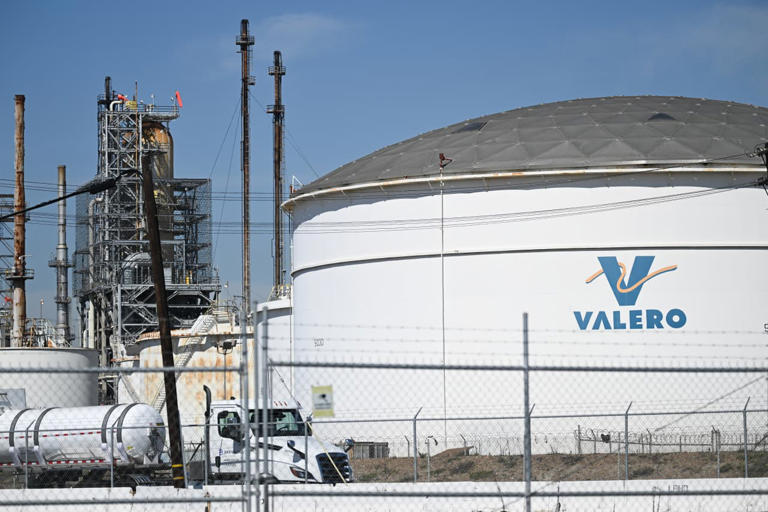
Recent data shows Venezuelan crude shipments to U.S. refiners like Valero, PBF Energy, Chevron, and Phillips 66, although volumes remain small compared to other heavy crude imports from countries like Mexico, Colombia, and Brazil. Nonetheless, the return of Venezuelan crude as a consistent, insurable supply source is viewed positively by the refining sector.
© AFP via Getty Images
Valero’s shares rose 7.2% in early trading Monday, while PBF Energy and Phillips 66 also saw gains.
On the flip side, Canadian heavy crude producers face a longer-term challenge. Canadian oil sands crude, similar in quality to Venezuelan heavy oil, has held a strong position in the U.S. market, particularly in Midwest and Gulf Coast refineries.
Venezuela’s absence from Western markets during years of sanctions helped Canadian producers maintain a dominant market share. But renewed Venezuelan exports under U.S. oversight could reintroduce competition, potentially eroding the price premiums Canadian heavy crude has enjoyed.
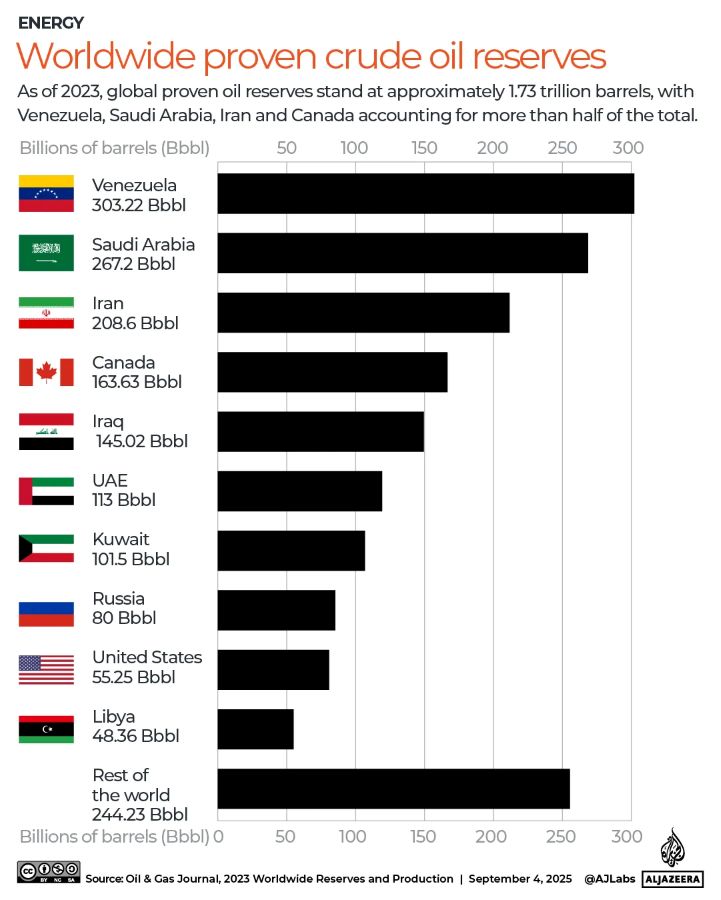
Canada exports roughly 3.3 million barrels per day to the U.S., accounting for about a quarter of U.S. refinery throughput. While Canada has made efforts to diversify export routes to Asia through projects like the Trans Mountain pipeline expansion, the U.S. remains the primary market for Canadian heavy crude.
This competition poses a strategic risk for Canadian oil producers like Suncor, Cenovus Energy, Canadian Natural Resources, and Imperial Oil. Though Venezuelan crude won’t displace Canadian oil immediately, over time it could limit price gains for Canadian heavy crude, tightening margins for these companies.
Notably, U.S. shale producers, who focus on lighter crude grades, are largely insulated from this dynamic. Their market and profitability depend more on drilling efficiency and overall oil prices than on competition from heavy crude supplies.
The oil sectors biggest winners and losers from Venezuela regime
That’s the latest on the shifting landscape in the oil market following Venezuela’s regime change. We will continue to monitor how these developments impact global energy and economics.
Reporting by Noko David.