Today, on SNEWS TV, we are going to examine a question that has grown increasingly urgent amid escalating tensions in the Middle East: Who holds authority over the Palestinians? From the Gaza Strip to the West Bank, the answer is far from simple. Power is split among multiple actors—the Palestinian Authority, the militant group Hamas, and the state of Israel—leaving 5.5 million Palestinians under a complex web of governance.
Officially, the Palestine Liberation Organization, or PLO, represents Palestinians at international forums, while the Palestinian Authority, or PA—a faction led by Fatah—was created to govern much of the West Bank and Gaza. But in reality, Israel maintains significant control, and since 2006, Hamas has ruled Gaza independently, creating a severe divide between the two territories. Experts have even described Gaza as a ‘practically separate state’ before the latest war with Israel devastated the region.
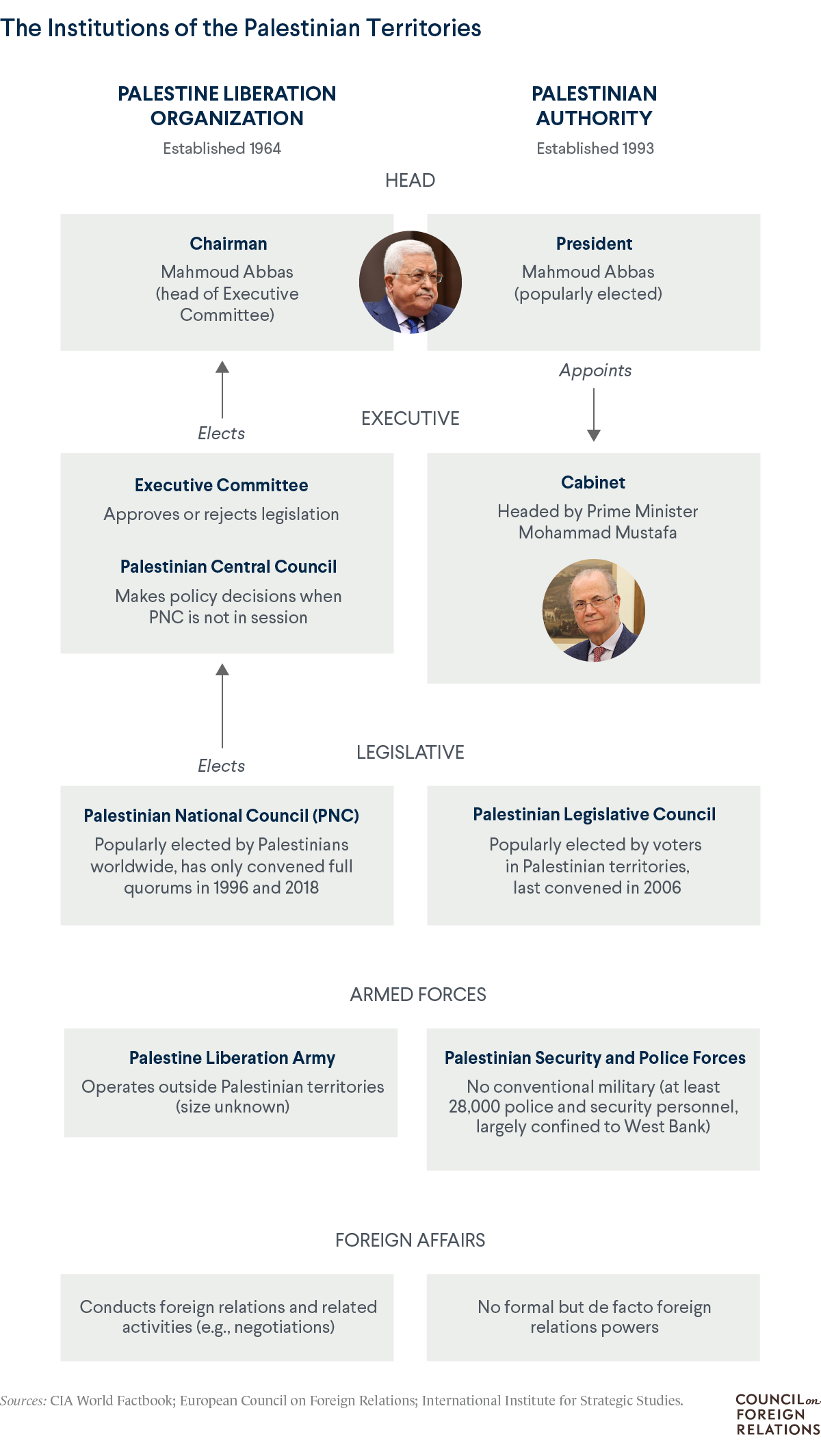
The PA operates from Ramallah in the West Bank. President Mahmoud Abbas leads the PA, the PLO, and the dominant Fatah party. However, the authority faces accusations of corruption and inefficiency, and its security forces are widely seen as instruments of Israel’s occupation rather than protectors of Palestinian law. Meanwhile, Hamas in Gaza has built its own government, military, and legal systems, operating largely outside international aid due to its terrorist designation by the U.S., EU, and Israel.
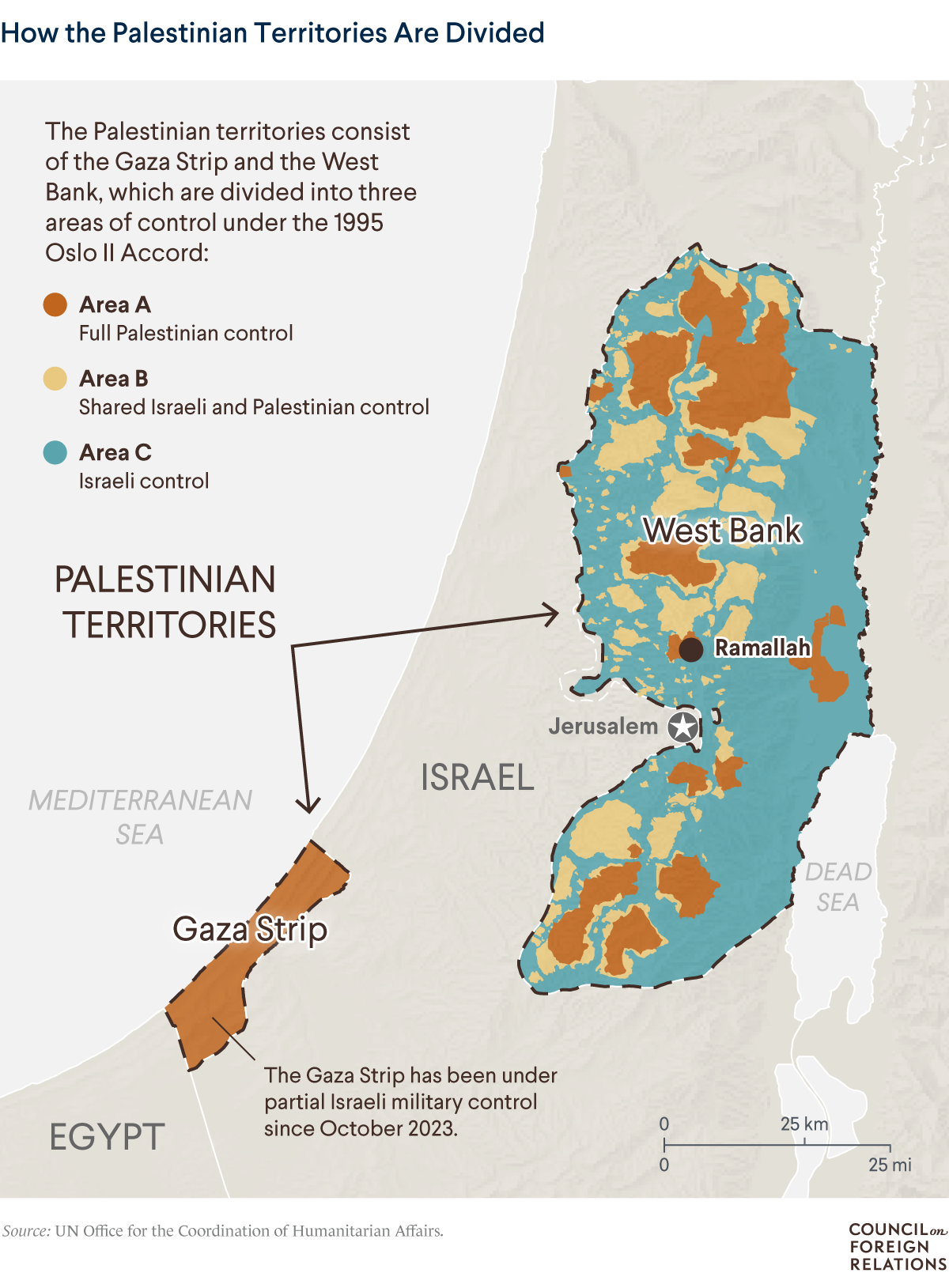
Control in the West Bank is formally divided into three areas. Area A is under Palestinian civil and security control, Area B involves shared Israeli-Palestinian security with Palestinian civil oversight, and Area C remains fully under Israeli authority, including the majority of settlements deemed illegal under international law. Gaza, meanwhile, has been under Hamas rule, although Israel continues to impose restrictions on borders, airspace, and key resources.
Palestinian refugee populations are managed by the UN Relief and Works Agency, or UNRWA, which oversees camps in Gaza, the West Bank, Jordan, Lebanon, and Syria. Security is provided by host governments, while UNRWA handles health, housing, and education. Some camps, however, remain influenced by Fatah in the West Bank and Hamas in Gaza.
Adding to the complexity, Jerusalem remains a deeply contested city. Israel controls the entire city and considers it its capital, while Palestinians claim East Jerusalem as the heart of their future state. Most Palestinians there are permanent residents of Israel without citizenship, leaving them in a precarious legal and political position.
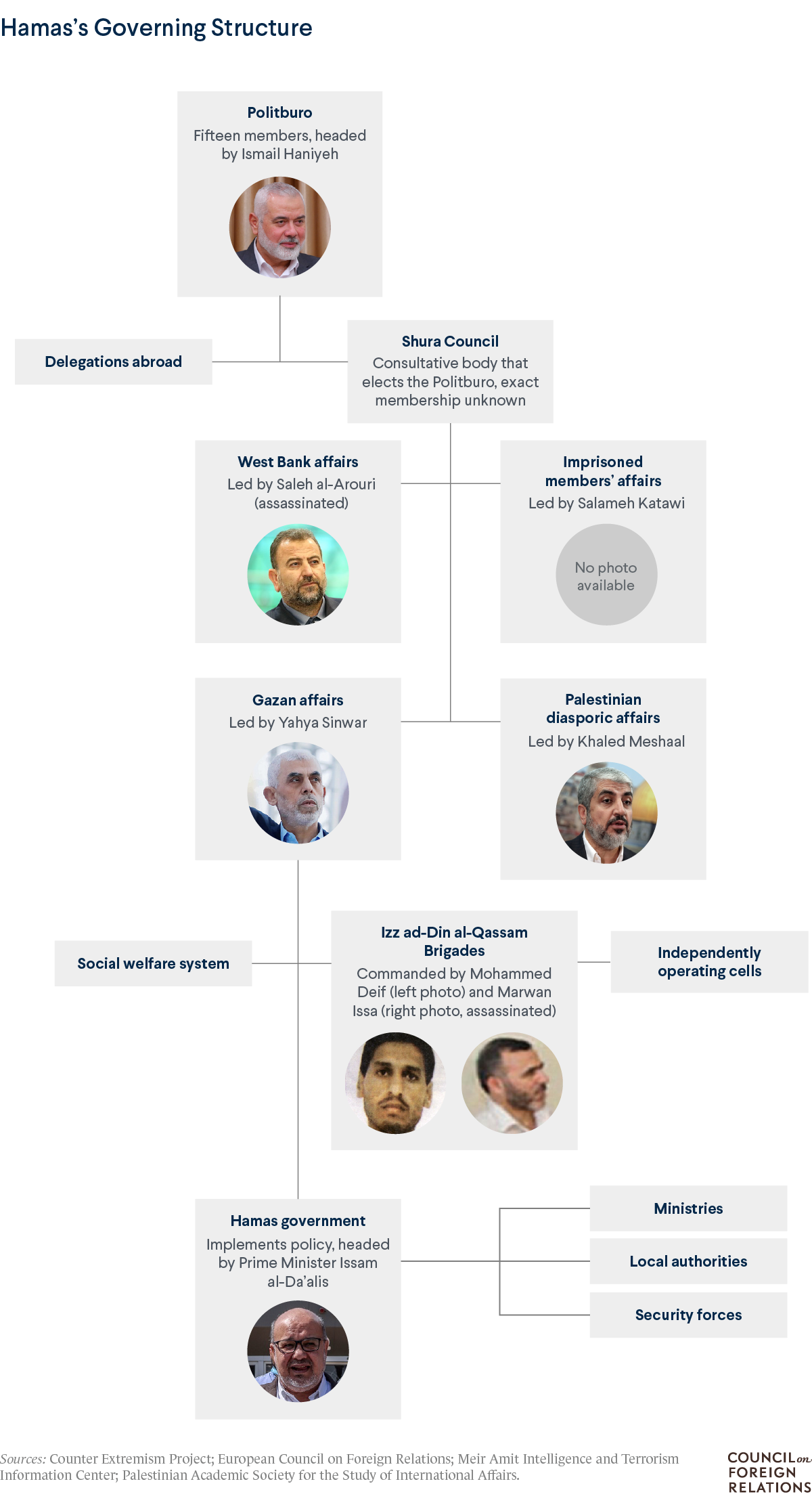
Palestinian leaders also face internal challenges: disunity between Hamas and the PA, eroding legitimacy of President Abbas, financial strain on the PA, and unclear succession plans. Meanwhile, the ongoing Israel-Hamas conflict raises urgent questions about who would govern Gaza should Hamas be dismantled. Experts suggest a strengthened PA could step in, but Israel has so far resisted ceding control, leaving the future of Palestinian governance uncertain.
As the region continues to face violence and political fragmentation, the Palestinian people remain caught between rival authorities, international intervention, and the ever-present shadow of conflict. On SNEWS TV, we will continue to track these developments and their implications for stability and governance in the Middle East.
Reporting by Carl Montel.