In a high-stakes battle for one of Hollywood’s biggest studios, Warner Bros. has once again rejected a takeover bid from Paramount, urging shareholders to back a rival offer from Netflix instead.
Warner Bros. Discovery announced Wednesday that its board believes Paramount’s hostile $77.9 billion offer is not in the best interests of the company or its shareholders. Instead, the company reaffirmed support for the $72 billion deal it struck with Netflix to sell its streaming and studio business.
Chairman Samuel Di Piazza Jr. criticized Paramount’s bid for carrying an extraordinary amount of debt financing, which, he said, introduces risks to completing the transaction and lacks sufficient protections for shareholders if the deal falls through. In contrast, the Warner leadership says the Netflix agreement offers superior value with greater certainty.
Paramount has responded by sweetening its offer, including an “irrevocable personal guarantee” from Oracle founder Larry Ellison to back over $40 billion in equity financing. The company also matched Netflix’s breakup fee by promising $5.8 billion to shareholders if the deal is blocked by regulators.
Despite these efforts, Warner’s board views Paramount’s proposal as essentially a leveraged buyout laden with debt, imposing operational restrictions that could hamper the company’s performance during a takeover.
© Jae C. Hong
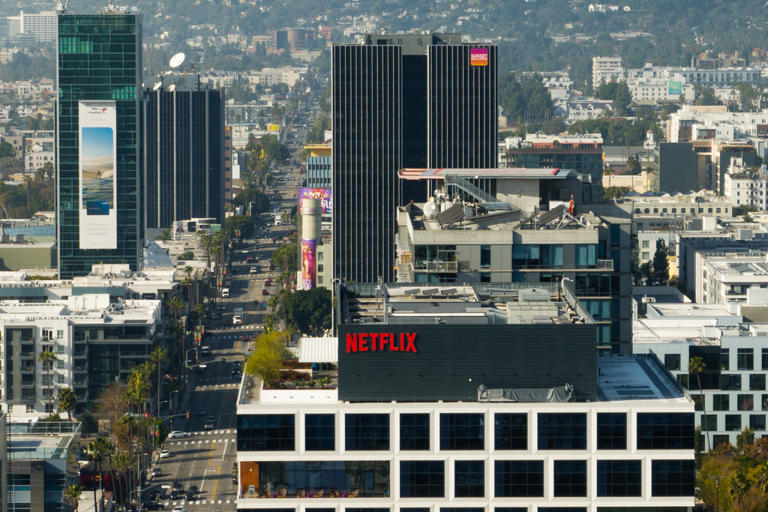
The stakes are complicated by the differing scopes of the bids. Netflix seeks to acquire only Warner’s studio and streaming divisions, including popular platforms like HBO Max. Paramount, on the other hand, wants to buy the entire company, including networks such as CNN and Discovery. If Netflix’s deal goes through, Warner’s news and cable operations would be spun off into a separate entity.
Any merger of this size is expected to face intense regulatory scrutiny, including a review by the U.S. Justice Department and potentially other international agencies. There are concerns from the industry and lawmakers alike about the impact of such consolidation on competition, content diversity, and jobs.
Cinema United, representing thousands of movie theaters globally, recently warned Congress that either deal could harm moviegoers and workers by further consolidating control over Hollywood.
Shareholders now have until January 21st to decide whether to tender their shares to either suitor, as the tug-of-war for control of Warner Bros. continues.
We will keep following this major corporate showdown closely.
Reporting by Noko David