Venezuela is escalating its military posture as U.S. naval forces approach the Caribbean coast. President Nicolás Maduro is mobilizing troops and calling up a militia he claims numbers in the millions, in what experts say is the most significant American military buildup in the region since the 1980s.
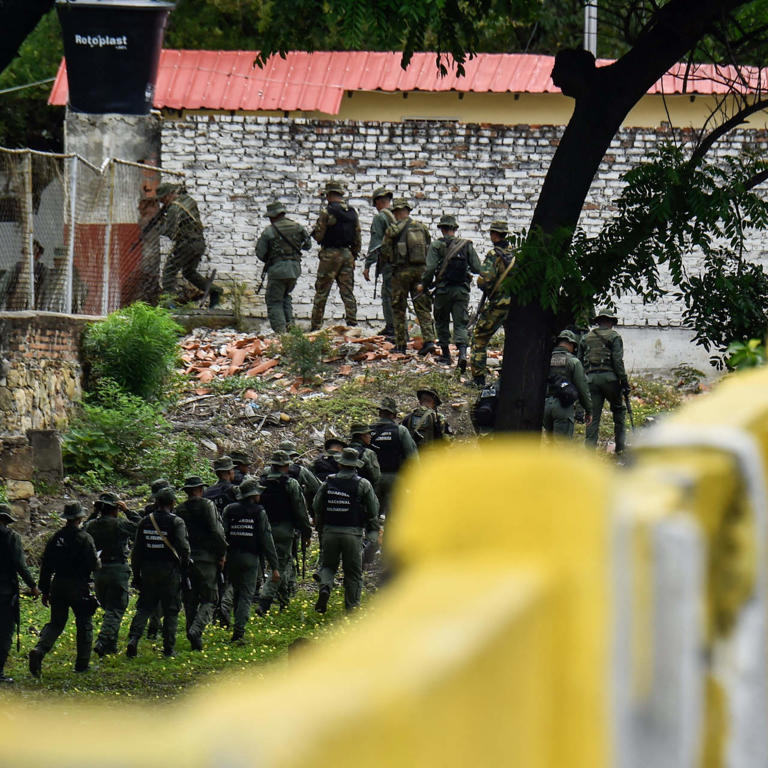
Footage broadcast on state television shows Venezuelan armed forces, numbering around 125,000 soldiers, moving armored vehicles, munitions, and marching in formation. Russian-made jets streak across the skies, while militia members—many older and civilian—are shown running obstacle courses, firing rifles, and preparing for potential combat.
Maduro addressed supporters earlier this week, saying, “The people are ready for combat, ready for battle. Venezuela will not be humiliated. Venezuela will bow to no one.” He emphasized that the Bolivarian Armed Forces are prepared to repel any invasion, while insisting that Venezuela remains committed to peace and stability.
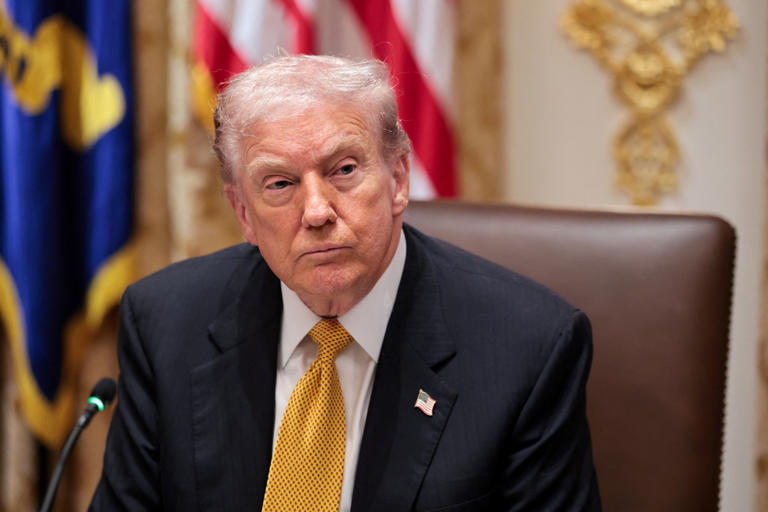
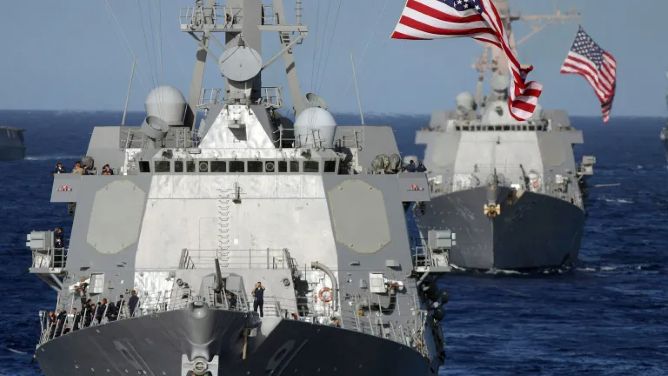
However, military analysts caution that Venezuela’s forces are ill-prepared to face the world’s most powerful military. While U.S. forces likely lack the capacity for a full-scale invasion, their presence—eight Navy warships, an attack submarine, F-35B fighters, P-8 surveillance planes, MQ-9 drones, and elite special operations units—is enough to conduct strikes on drug shipments or Venezuelan targets, according to warnings from President Trump.
The U.S. has already conducted at least five strikes on alleged drug-carrying vessels, resulting in 27 casualties, actions some lawmakers describe as extrajudicial. The Pentagon, meanwhile, has positioned B-52 bombers near La Orchila, a Venezuelan island site of recent military drills featuring jets, amphibious vehicles, and warships.
In response, Maduro has doubled down, urging the recruitment of indigenous communities into militias and calling on Colombian armed groups like the ELN to support regime operations. High-ranking officials, including Diosdado Cabello and Defense Minister Vladimir Padrino López, have been seen traveling to reinforce militia deployments in regions far from the capital.
© Schneyder Mendoza/AFP/Getty Images
Despite this show of force, insiders paint a starkly different picture. Former army officers now in exile report widespread disorganization, low morale, and poorly trained troops. Supplies such as food and water for deployed soldiers are limited, and training has historically focused on domestic repression rather than conventional warfare. One former colonel told SNEWS TV, “They are trying to create a smoke screen to delay or intimidate U.S. forces. They know it’s a lost cause.”
Economically, Venezuela faces dire conditions. The IMF projects a 3% contraction in 2026, with inflation soaring to 682%. Yet the government continues to promote stability, highlighting social projects like pediatric and oncology clinics while also deporting thousands from the U.S.
Public sentiment is divided. Some citizens, like community leader Blanca Soto, say they are ready to defend the country. Others hope international pressure and military presence might prompt a change in leadership. Milagros Campos of Caracas commented, “I would like the economy to improve and see a change in government for that to happen.”
Tonight, the tension in the Caribbean remains high, as Venezuela projects strength at home and the U.S. maintains a formidable military posture offshore. The coming days could prove decisive for the region, with global attention focused on the standoff between Caracas and Washington.
We will continue to follow this story closely and bring updates as they develop.
Reporting by Katy Moore.