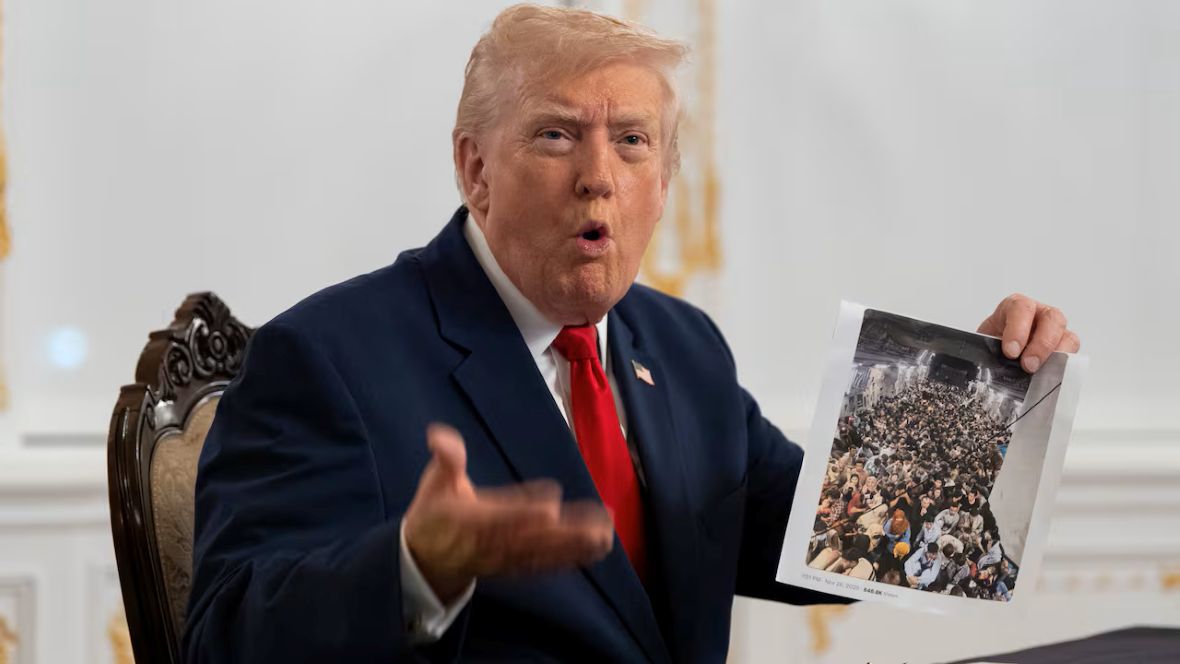
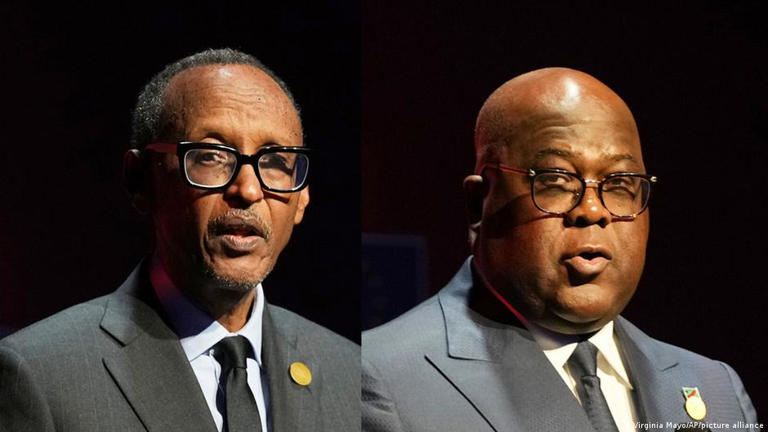
In a significant diplomatic development, Democratic Republic of Congo’s President Felix Tshisekedi is set to travel to the United States next week to finalize a landmark peace agreement with Rwandan President Paul Kagame. The two leaders will meet on December 4 to officially sign the US-brokered peace deal, capping months of intense negotiations led by former US President Donald Trump.
This meeting aims to advance a comprehensive peace framework designed to bring stability to the conflict-ridden eastern region of Congo, long plagued by violence from numerous armed groups including the notorious M23 rebels. Alongside the peace treaty, the leaders are also expected to ratify a Regional Economic Integration Framework, a move intended to foster cooperation and development across the region.
Tina Salama, spokesperson for President Tshisekedi, emphasized the importance of respecting sovereignty in these talks, stating, “The president has always desired regional integration, but respect for sovereignty is non-negotiable and a prerequisite for regional integration.”
However, Rwanda’s President Kagame has stressed that lasting peace will require genuine commitment from all parties involved. He recently remarked, “Some of these processes will not work just because we are meeting in Washington or because the powerful United States is involved, but until those people concerned directly are committed to achieving end results.”
Eastern Congo has suffered years of conflict, with over 100 armed groups operating in the region. The situation worsened this year when M23 rebels captured the key cities of Goma and Bukavu, exacerbating an already dire humanitarian crisis.
In November, the Congolese government and M23 rebels agreed on a new peace framework aimed at ending hostilities. However, Kinshasa has made it clear that the success of any agreement hinges on Rwanda ceasing its alleged support for the M23 fighters. While Rwanda denies these claims, United Nations experts reported earlier this year that Rwanda exercises significant command and control over the rebel group.
Tina Salama underscored that any final peace deal must exclude the integration or mixing of M23 fighters into government forces. She also pointed out that the withdrawal of Rwandan troops was part of the initial agreement signed by the foreign ministers of both nations in June.
“We are pursuing peace within a regional integration framework,” Salama said, “but what remains non-negotiable for us is the territorial integrity of the Democratic Republic of Congo.”
This historic signing in Washington marks a critical step toward resolving the long-standing conflict and moving toward greater regional cooperation and stability.
We will continue to monitor developments closely.
Reporting by Ehud Jones.