Topping tonight’s broadcast: high-stakes diplomacy is set to unfold tomorrow as former President Donald Trump prepares for a crucial phone call with Russian President Vladimir Putin. With the war in Ukraine now in its third year, expectations are mounting that this call could help pave the way toward an end to the conflict.
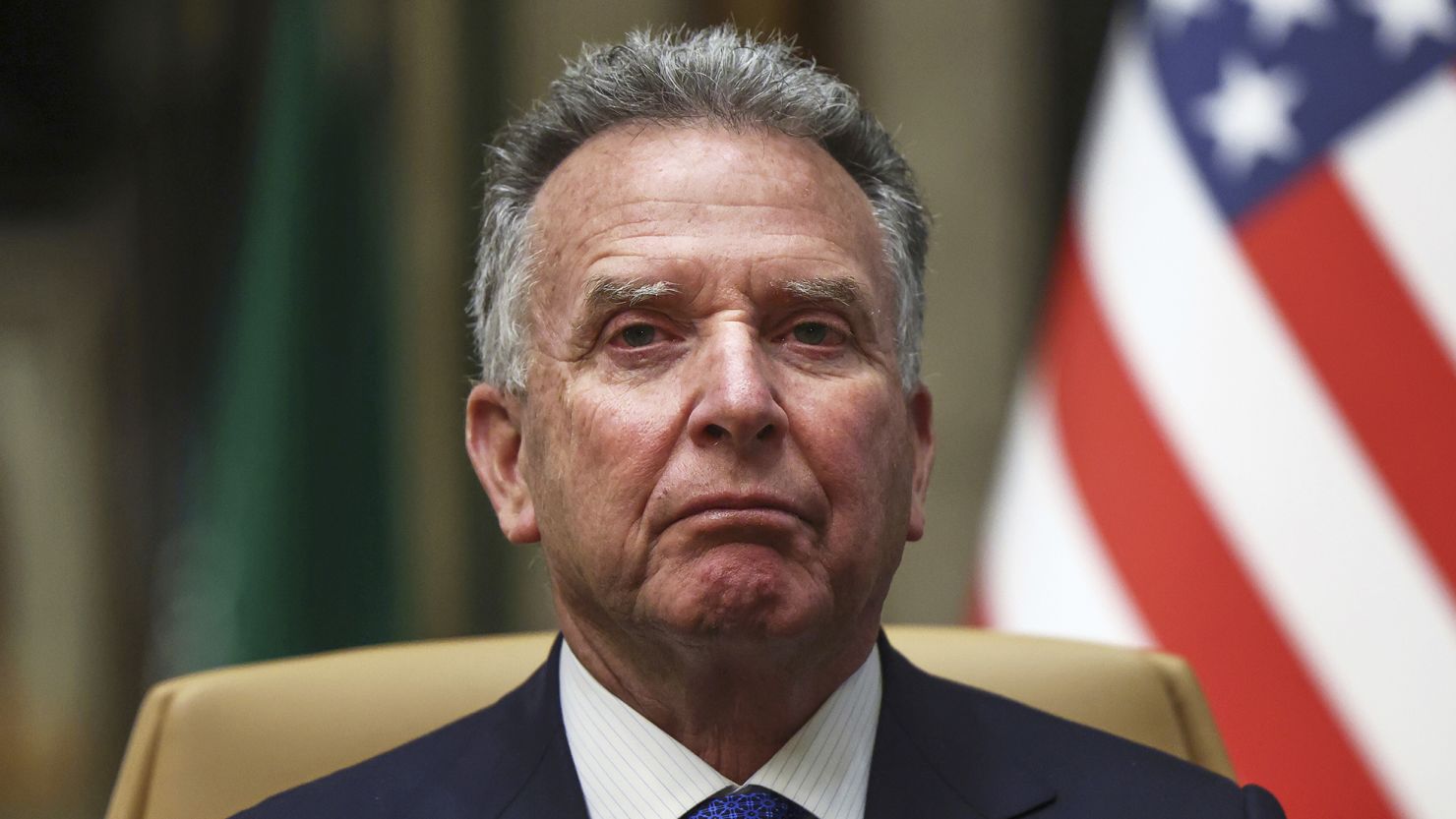
Speaking exclusively to ABC’s “This Week,” U.S. Special Envoy Steve Witkoff said he’s confident that Monday’s conversation will mark a turning point in peace negotiations. Witkoff, who is leading the U.S. diplomatic push, described the call as ‘potentially very productive,’ adding, quote, “If Trump can’t broker a deal, then nobody can.”
The scheduled phone call comes just days after stalled peace talks between Ukraine and Russia in Turkey. Ukrainian sources have described Russia’s demands as unrealistic—an assessment echoed by Vice President JD Vance.
Witkoff acknowledged the complexity of the negotiations, calling the war a “conflict that should never have happened.” He stressed that the goal now is to bridge the wide gap between both sides’ demands—and that Monday’s call could be key to finding common ground. Trump also plans to speak with Ukrainian President Volodymyr Zelenskyy and several NATO leaders shortly after his call with Putin.
In other international developments, Witkoff also addressed ongoing nuclear negotiations with Iran. Speaking firmly, he outlined the administration’s uncompromising stance on uranium enrichment.
According to Witkoff, the U.S. has delivered a proposal aimed at resolving the issue diplomatically—but remains adamant that any deal must eliminate Iran’s ability to enrich uranium, calling it a ‘very clear red line.’ The U.S. is expected to resume meetings with Iranian counterparts in Europe later this week.
Turning to the humanitarian crisis in Gaza, Witkoff described ongoing U.S. efforts to ease suffering in the war-torn region. He said President Trump is deeply concerned about civilian conditions and that numerous initiatives are underway to deliver aid—including mobile kitchens and flour shipments at the border.
He added that logistical challenges remain a major hurdle, but emphasized that the U.S. and Israel are aligned on the overall approach to facilitating aid delivery.
Witkoff also weighed in on the ongoing debate over a luxury Boeing 747-8 aircraft offered by Qatar to the U.S. government. Critics say the offer—intended for temporary use as Air Force One and then as part of President Trump’s presidential library—raises ethical questions.
Witkoff dismissed those concerns, emphasizing that the donation was a gesture of goodwill from a longstanding ally and accompanied by a separate $1.2 trillion investment pledge from Qatar. He insisted the transaction benefits the United States and should not be viewed as a quid pro quo.
From Ukraine to Iran, Gaza to government aircraft gifts, it’s clear that American diplomacy is working overtime. We will be closely watching Monday’s Trump–Putin call and bring you the latest right here on SNEWS TV.