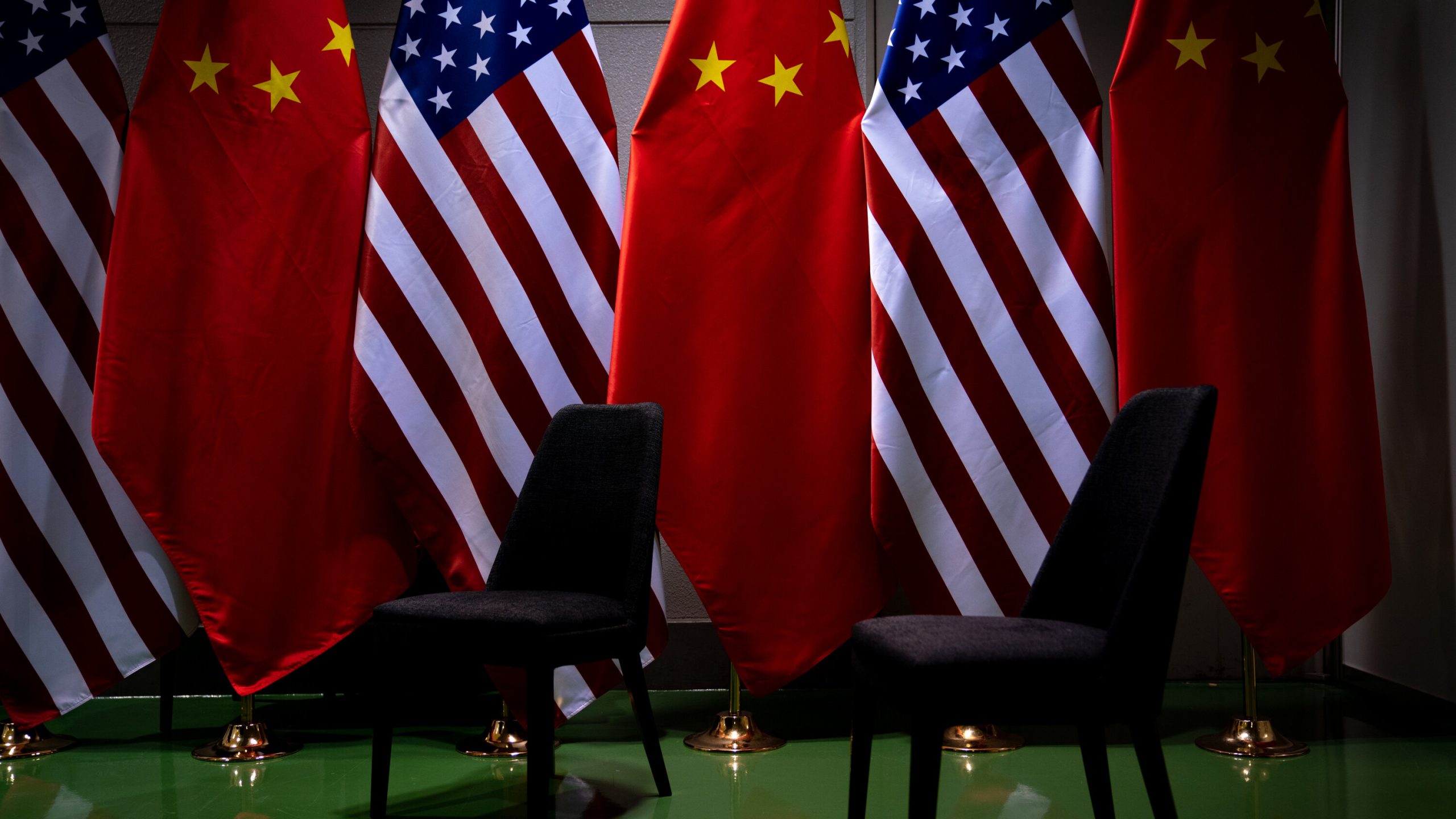
In a major development on the global economic front, U.S. and Chinese officials are preparing to meet this weekend in Switzerland for high-stakes trade talks, aiming to ease the escalating tariff tensions that have rattled both economies.
U.S. Treasury Secretary Scott Bessent and Trade Representative Jamieson Greer will lead the American delegation, while China will be represented by Vice Premier He Lifeng. This marks the first formal meeting between the two sides since President Donald Trump imposed steep tariffs of up to 145% on Chinese imports — a move that Beijing swiftly answered with retaliatory tariffs of 125% on American goods.
In an interview with Fox News, Secretary Bessent acknowledged that the current tariff levels are effectively operating like a trade embargo and are not sustainable. He emphasized that this weekend’s talks, set for Saturday and Sunday, will focus on de-escalating the standoff rather than hammering out a comprehensive trade deal.
“We’ve got to de-escalate before we move forward,” Bessent said. “We don’t want to decouple; what we want is fair trade.”
China’s Ministry of Commerce released a statement calling on the U.S. to show sincerity, correct harmful practices, and address both nations’ concerns through “equal consultation.” The ministry also issued a warning: if the U.S. says one thing but does another — or tries to pressure China under the guise of negotiation — Beijing will stand firm on its principles and refuse any deal that undermines fairness and justice.
Anticipating the economic strain from the ongoing tariff war, China has announced a cut to its policy rate and lowered the reserve requirements for its banks, effectively injecting more liquidity into its financial system. Wu Qing, chairman of China’s Securities Regulatory Commission, criticized the U.S. tariffs, saying they have seriously disrupted global economic and trade stability.
Following news of the upcoming talks, U.S. equity futures edged higher, and the dollar gained strength, as investors welcomed the prospect of a potential easing of tensions.
While the tariffs have hit major industries, from manufacturing equipment to consumer goods like clothing and toys, Secretary Bessent noted that President Trump’s strategy of maintaining “strategic uncertainty” gives the U.S. an advantage at the negotiating table. Bessent made it clear that while he and the president know what concessions the U.S. would accept, they have no intention of revealing that publicly ahead of the discussions.
We will continue tracking these crucial talks and bring you updates as they unfold.
Reporting by Katy Moore.