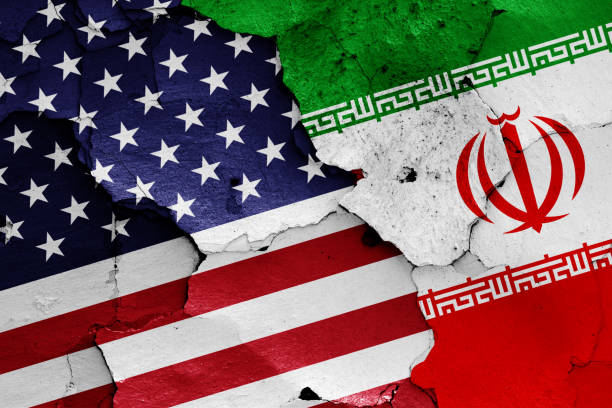
U.S. President Donald Trump has made it clear that he is not pushing for a ceasefire in the escalating conflict between Israel and Iran—but rather, he is calling for a complete and final end to Iran’s nuclear ambitions.
Speaking to reporters as he departed the G7 Summit in Canada on Tuesday, President Trump stated he is seeking what he described as “a real end” to Iran’s nuclear weapons program. He emphasized that this is not about a temporary pause in fighting, but about eliminating what he views as a fundamental threat to global security.
Trump doubled down on his message to Tehran, stating bluntly, “Iran should give up entirely on nuclear weapons.” He also indicated that he believes Israel will continue with its military campaign against Iranian targets. “You’re going to find out over the next two days… Nothing’s slowed up so far,” Trump warned, suggesting that more intense action may be imminent.
When asked if he planned to send a U.S. envoy—such as the Middle East advisor Steve Witkoff or even Vice President JD Vance—for direct talks with Iran, Trump replied, “I may,” but added that any decision would depend on the situation upon his return to Washington. Despite speculation, the president later clarified that no outreach had yet been made to Tehran. “Iran should have taken the deal that was on the table,” Trump posted on his Truth Social account Tuesday afternoon.
Meanwhile, G7 leaders issued a joint statement urging restraint and diplomacy between Israel and Iran. Initially hesitant to endorse it, President Trump eventually added his signature. The G7 declaration reaffirmed Israel’s right to self-defense and took a firm stance on Iran’s nuclear ambitions, stating clearly: “Iran can never possess a nuclear weapon.” The statement also branded Iran as the “principal source of regional instability and terror.”
The G7 called for a broader de-escalation across the region, including a ceasefire in Gaza, and pledged readiness to coordinate efforts to protect energy market stability in light of growing tensions.
Back in Washington, preparations for the president’s return are underway. The White House confirmed that Trump and Secretary of State Marco Rubio left the summit early to address “important matters.” Press Secretary Karoline Leavitt stated the president would return Monday night, and sources confirmed that the National Security Council has been asked to convene in the Situation Room immediately upon his arrival.
Fox News correspondent Lawrence Jones described the atmosphere in the capital as tense, with both White House and Pentagon staff working late into the night. A source speaking to The Jerusalem Post said, “This may be Iran’s last chance before the U.S. steps in directly.”
Adding to the political drama, French President Emmanuel Macron claimed Trump had returned home to work on brokering a ceasefire between Israel and Iran. But in a sharp rebuke, President Trump posted on Truth Social that Macron was “wrong” and “publicity seeking,” saying, “It certainly has nothing to do with a ceasefire. Much bigger than that… Stay tuned!”
The message from Washington tonight is clear: the United States is preparing for more than diplomacy. As the world watches and the region braces for what comes next, we will keep you informed every step of the way.
Reporting by Carl Montel.