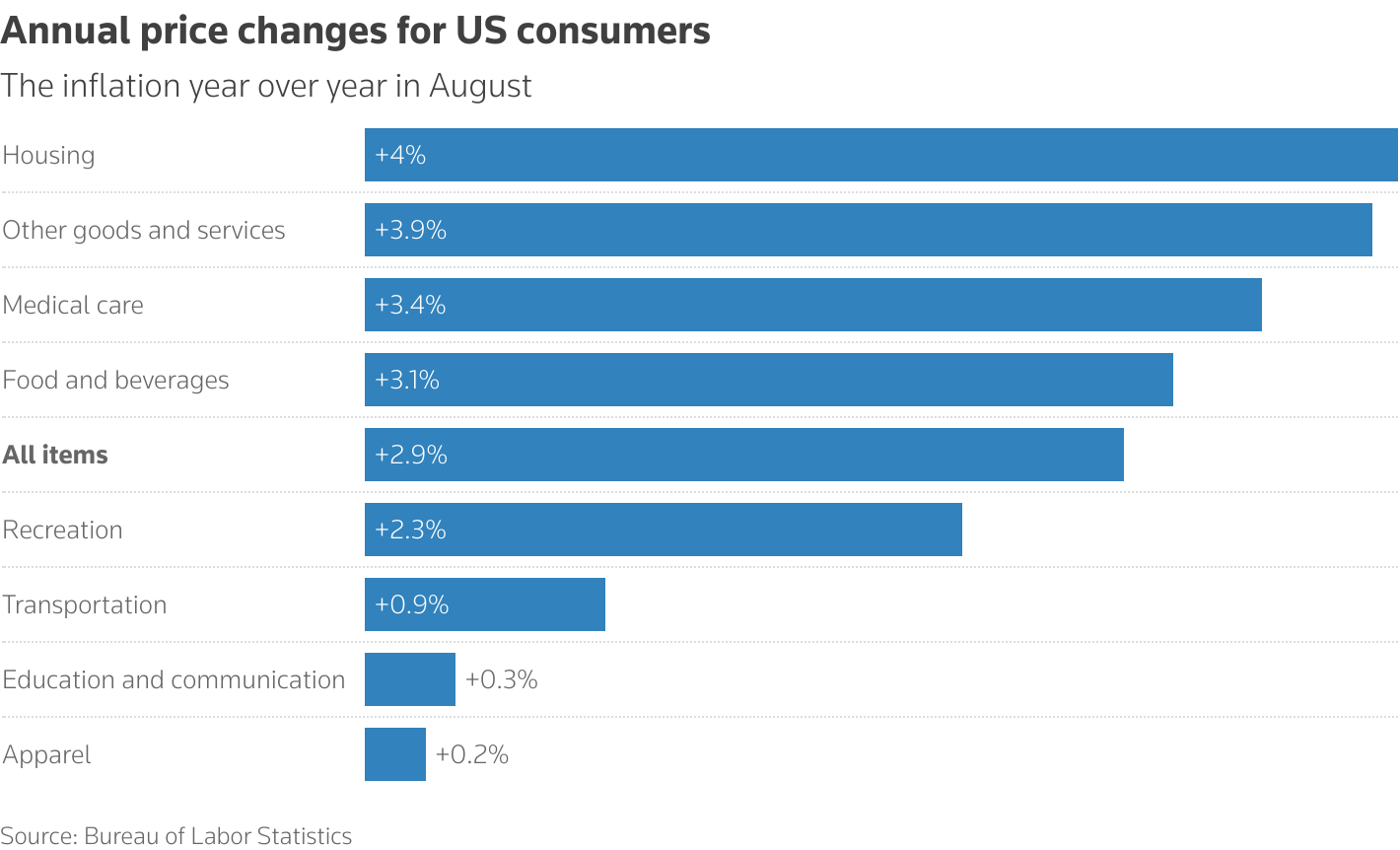
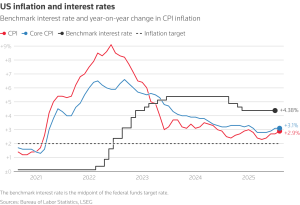
U.S. consumer prices surged in August, posting the largest increase in seven months, driven by higher costs for housing, food, and travel. The Labor Department reported that the Consumer Price Index rose 0.4% last month, bringing year-over-year inflation to 2.9%—the biggest annual jump since January.
Core inflation, which excludes volatile food and energy costs, also rose 0.3%, reflecting broad price pressures across goods and services, including new motor vehicles, apparel, airline fares, and hotel stays. Food costs alone climbed 0.5%, with meat, coffee, and fresh produce seeing particularly steep increases. Gasoline prices jumped 1.9% during the month.
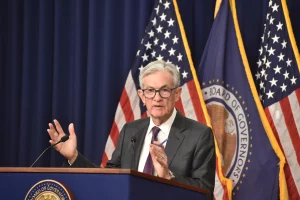
Economists warn that rising prices, combined with a softening labor market, create a policy dilemma for the Federal Reserve. Rapid rate cuts risk fueling tariff-driven inflation, while delaying cuts could worsen unemployment. Markets, however, have priced in a quarter-point rate reduction next Wednesday, with expectations of two additional cuts later this year.
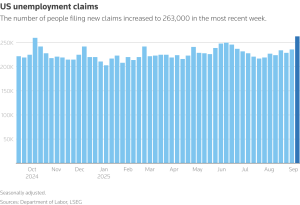
The labor market showed signs of strain. First-time claims for unemployment benefits rose 27,000 to a seasonally adjusted 263,000 last week, the highest level since October 2021. Analysts noted that spikes in states like Texas, possibly linked to July’s floods, may have contributed to the increase. Overall, the number of people receiving benefits after an initial week of aid remained unchanged at 1.939 million.
Rising inflation reflects a combination of factors, including tariffs on imported goods, rebounding consumer demand after spring and summer tourism declines, and labor shortages, particularly in agriculture. Economists caution that while monthly goods inflation may remain elevated into early next year, spillover into services could be limited by a weaker jobs market and restrained consumer spending.
Stocks on Wall Street responded positively, the dollar slipped slightly against a basket of currencies, and U.S. Treasury yields fell following the reports. The data underscores the balancing act facing the Federal Reserve as it weighs the timing and pace of interest rate cuts in a mixed economic environment.
Reporting by Noko David.