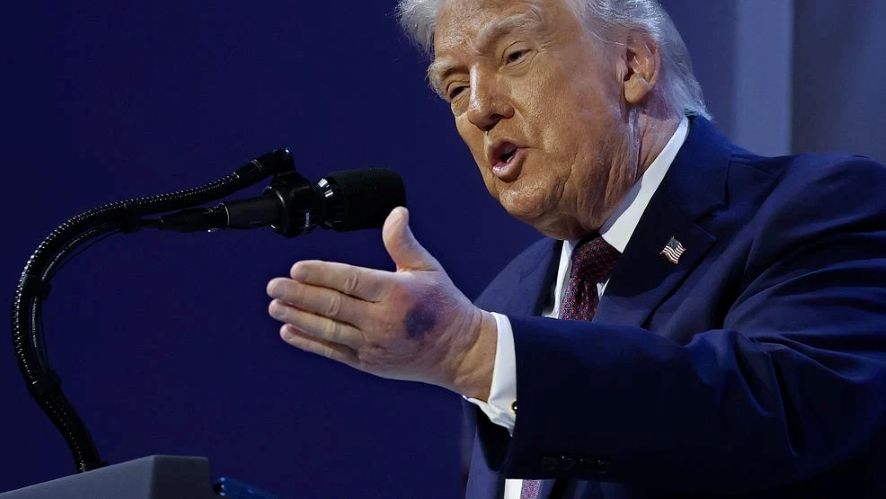
President Donald Trump is signaling a possible shift in tone following weeks of unrest in Minneapolis sparked by deadly encounters involving federal immigration agents. But on the streets of the city, tensions remain high, with little visible change to enforcement tactics or public fear.
After a second fatal shooting involving federal immigration officers, the White House announced a leadership change, sending the president’s top border adviser to Minnesota to oversee ongoing operations. Trump also struck a more conciliatory note toward Democratic state and city leaders he had sharply criticized in recent weeks.
The president said he and Minnesota Governor Tim Walz were now on “a similar wavelength” after a phone call, and praised a separate conversation with Minneapolis Mayor Jacob Frey, saying “lots of progress is being made.”
Despite those remarks, immigration enforcement operations continued Wednesday across Minneapolis and neighboring St. Paul. Activists followed federal officers through north Minneapolis, blowing whistles and alerting residents to their presence. During one encounter witnessed by journalists, officers from multiple federal agencies confronted protesters, deployed pepper spray, detained at least one individual, and damaged vehicles. Federal officers also forcibly pushed reporters and threatened arrest, despite the journalists identifying themselves.
Attorney General Pam Bondi, who is visiting Minnesota, said 16 people were arrested Wednesday on charges including assaulting and obstructing law enforcement, adding that more arrests are expected. In a social media post, Bondi declared that the administration would not be deterred from enforcing immigration laws.
In the suburb of Brooklyn Center, agents attempted to detain a man they said had been previously deported and convicted of domestic abuse, but left the scene without making an arrest after acknowledging they lacked a judicial warrant. As agents departed, a nearby resident defended the family, calling them “good neighbors” and expressing distrust toward federal authorities.
Fear remains widespread among immigrant communities. Daniel Hernandez, owner of Minneapolis grocery store Colonial Market, said many families are afraid to leave their homes, and most immigrant-owned businesses operating inside his store have closed indefinitely.
“The community is still very worried and afraid,” Hernandez said, noting that while some federal leadership has changed, enforcement tactics have not.
Legal scrutiny is also intensifying. Minnesota Chief U.S. District Judge Patrick Schiltz warned that Immigration and Customs Enforcement violated dozens of court orders this month alone, calling the pattern alarming for anyone concerned with the rule of law. Another federal judge issued a temporary restraining order halting the detention of resettled refugees in Minnesota, ordering the immediate release of those already held.
The decision drew sharp criticism from the White House, with Deputy Chief of Staff Stephen Miller accusing the judiciary of undermining democracy.
Wednesday night, hundreds gathered in freezing temperatures for a candlelight vigil honoring ICU nurse Alex Pretti, who was fatally shot by immigration agents over the weekend. Colleagues, veterans, and community members mourned at the site of the shooting, describing Pretti as someone who was simply trying to help others.
“It could have been any of us,” said nurse Harmonie Pirius. “That’s what we do—we help.”
The Department of Homeland Security says the two agents involved in Pretti’s death remain on leave as the investigation continues.
Democratic Congresswoman Ilhan Omar condemned the enforcement campaign, saying it is designed to instill fear in immigrant and minority communities rather than ensure public safety.
“This is not accidental,” Omar said. “It is about making people feel they do not belong.”
As the White House signals de-escalation, Minneapolis remains on edge—waiting to see whether words from Washington will translate into real change on the ground.
Reporting by Kathy Moore.