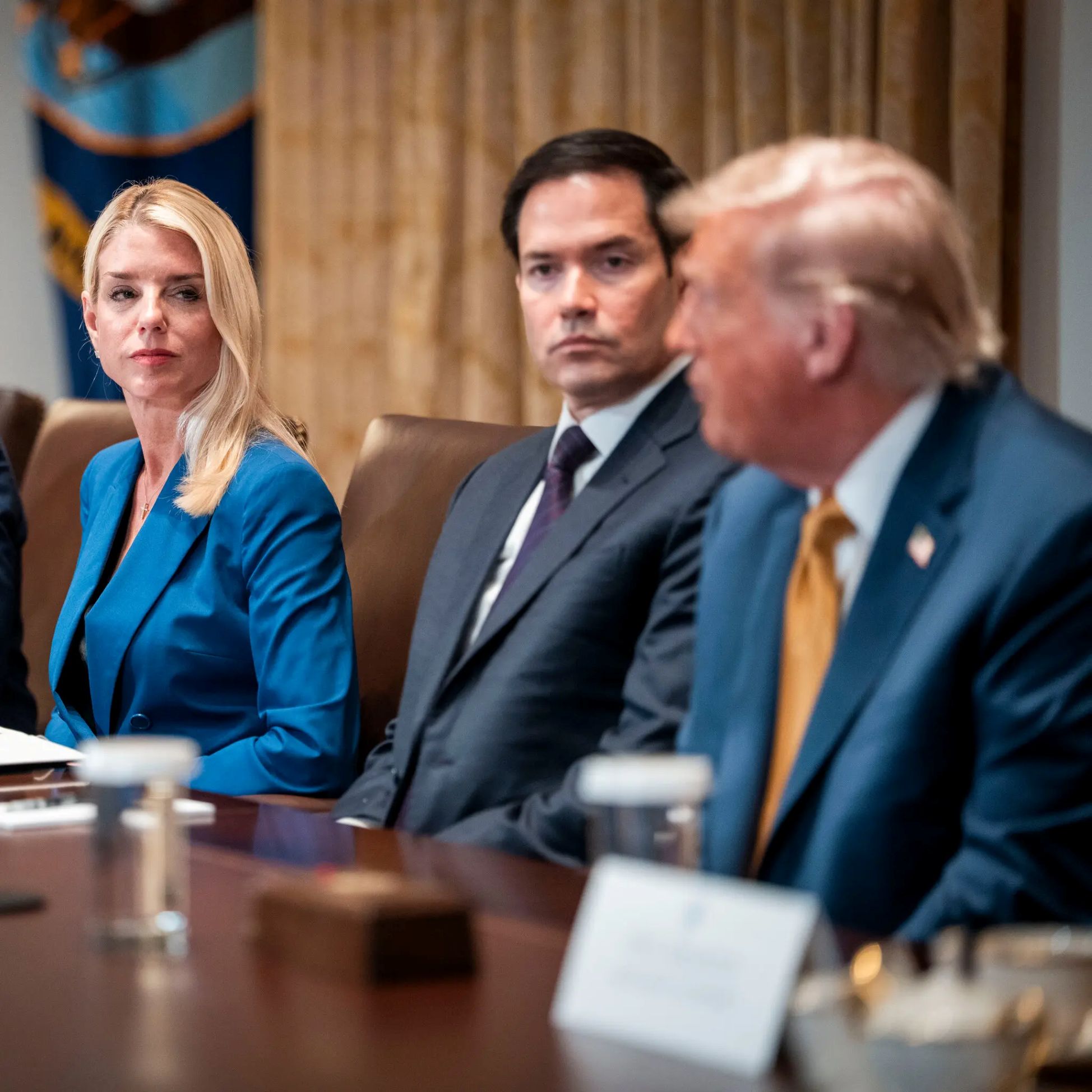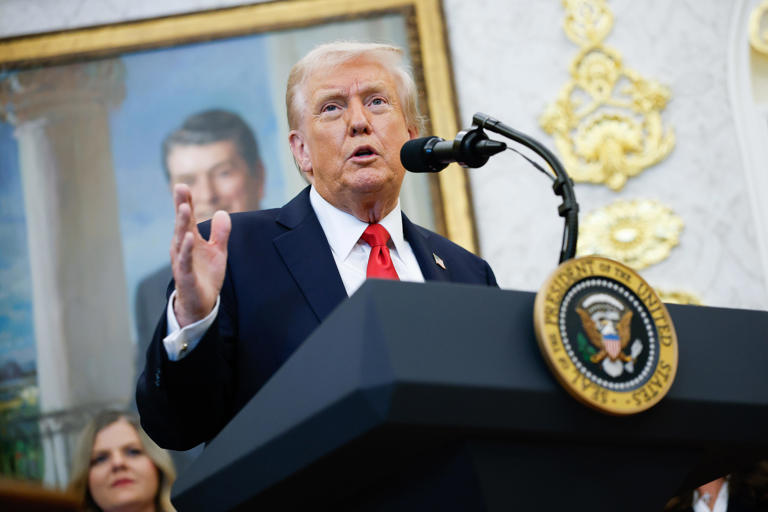
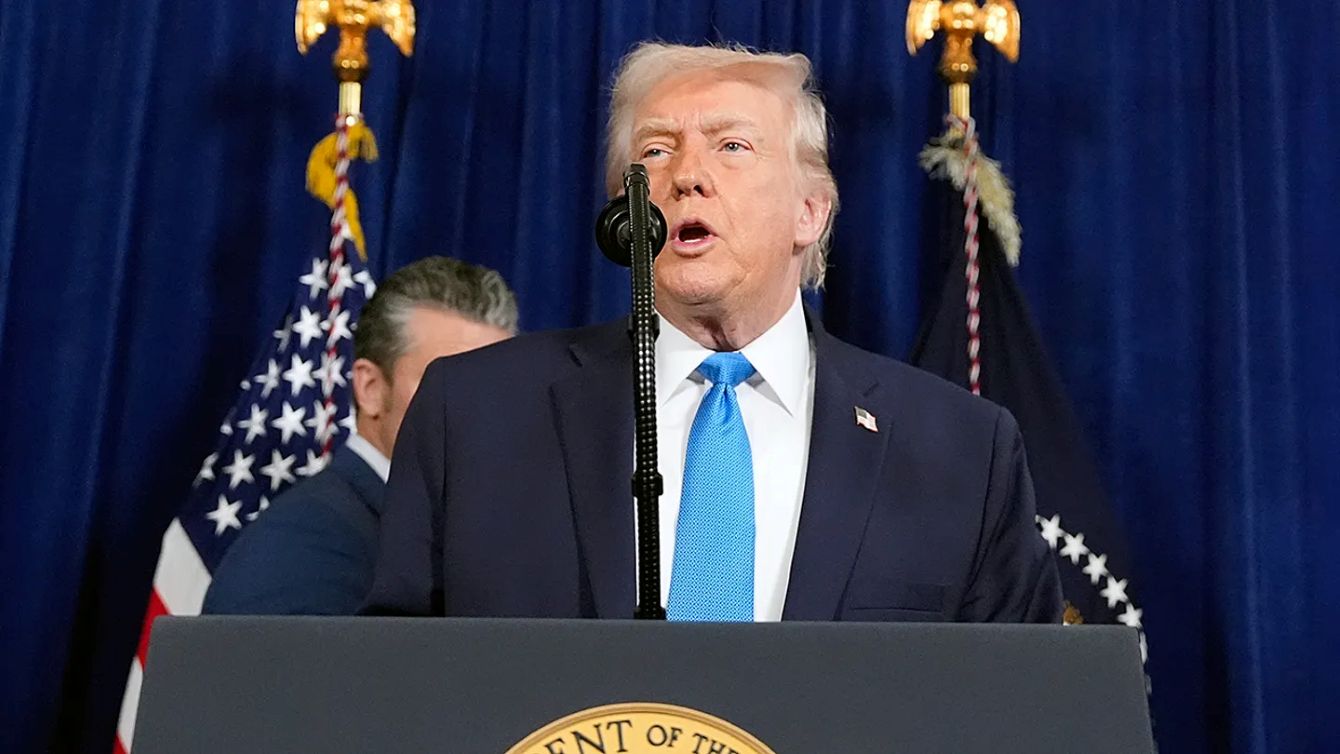
President Donald Trump says the United States will “run Venezuela” until what he calls a safe, proper, and judicious transition of power is completed, following the dramatic U.S. military operation that led to the capture of Venezuelan leader Nicolás Maduro.
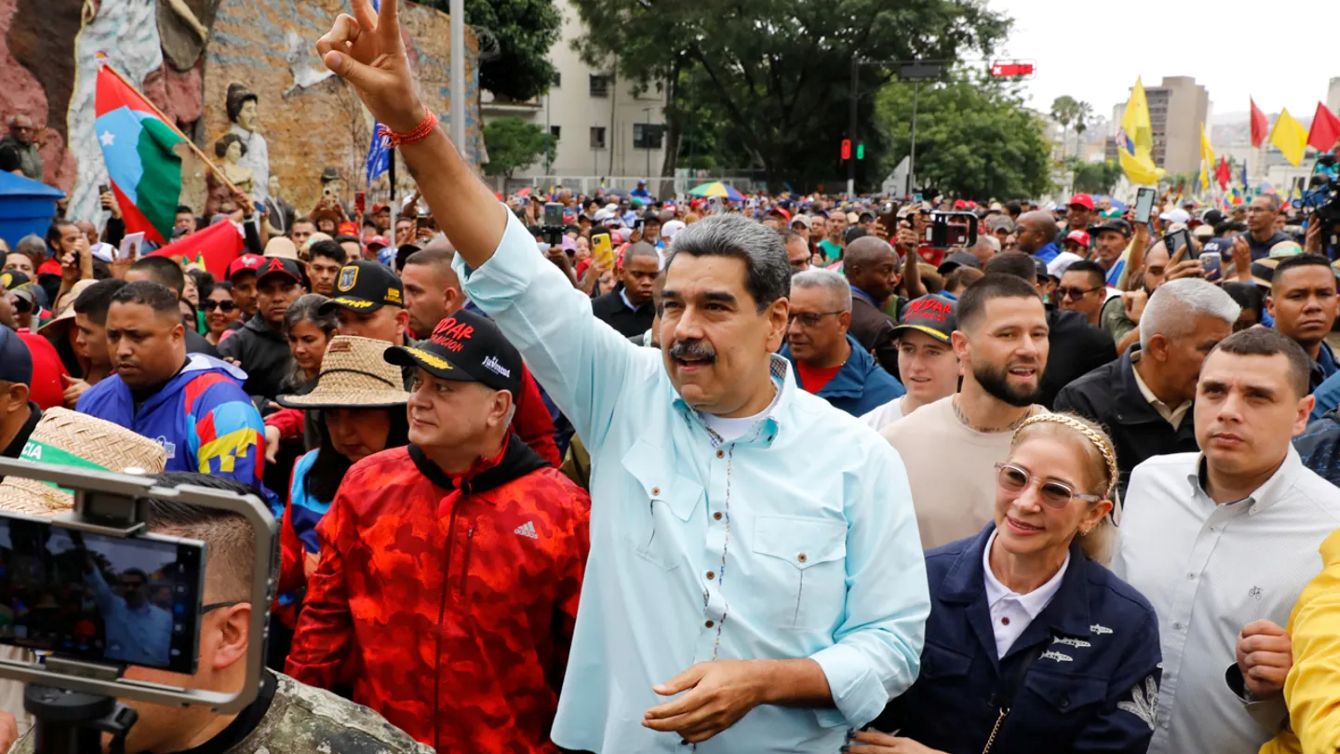
Speaking at a news conference on Saturday, President Trump described the U.S. role as temporary but necessary, arguing that Washington cannot risk instability or the return of what he called illegitimate leadership.
“We’re going to run the country until such time as we can do a safe, proper and judicious transition,” Trump said, adding that American forces are already in place and prepared to escalate if needed.
The president warned that the U.S. is ready to launch a second, larger military action if conditions deteriorate, saying American troops remain positioned “at a very high level” inside the country.
These remarks came just hours after U.S. special forces carried out airstrikes in Caracas and captured Nicolás Maduro and his wife, Cilia Flores. Both were transported to New York, where they are expected to face sweeping drug trafficking and weapons-related charges.
President Trump said the U.S. now plans to directly oversee Venezuela in coordination with partners, with a particular focus on rebuilding the country’s oil industry.
“We’re going to rebuild the oil infrastructure, which will cost billions of dollars,” Trump said. “It’ll be paid for by the oil companies directly, and we’re going to get the oil flowing the way it should be.”
He argued that the effort would ultimately benefit Venezuelans, including millions who fled economic collapse and political repression and now hope to return home.
When asked whether U.S. troops would remain on the ground for an extended period, Trump did not rule it out.
“We’re not afraid of boots on the ground if we have to,” he said. “We’re there now, and we’re going to stay until the proper transition can take place.”
Pressed on leadership options, Trump signaled flexibility. He acknowledged that Venezuela’s vice president was selected under Maduro but said U.S. officials are already engaging with her, while also leaving the door open to opposition figures.
Meanwhile, opposition leaders Edmundo González Urrutia and María Corina Machado have renewed their calls for a democratic transition. Machado, whose whereabouts remain unknown, urged Venezuela’s armed forces to recognize González as the country’s legitimate president, declaring that “the hour of freedom has arrived.”
Supporters of the opposition were seen celebrating both inside Venezuela and abroad, according to videos circulating on social media.
Still, Trump’s declaration that the U.S. will run a South American nation has sparked intense debate. When asked how the move aligns with his “America First” doctrine, the president responded that stability, energy security, and reliable neighbors are in the direct interest of the United States.
“We want to surround ourselves with stability,” Trump said. “We have tremendous energy in that country, and it’s very important that we protect it.”
Historically, U.S.-led political transitions in the region have produced mixed results. The last such intervention in Latin America occurred in Panama in 1989, when U.S. forces ousted dictator Manuel Noriega—an operation that succeeded quickly but was followed by long-term challenges and civilian harm.
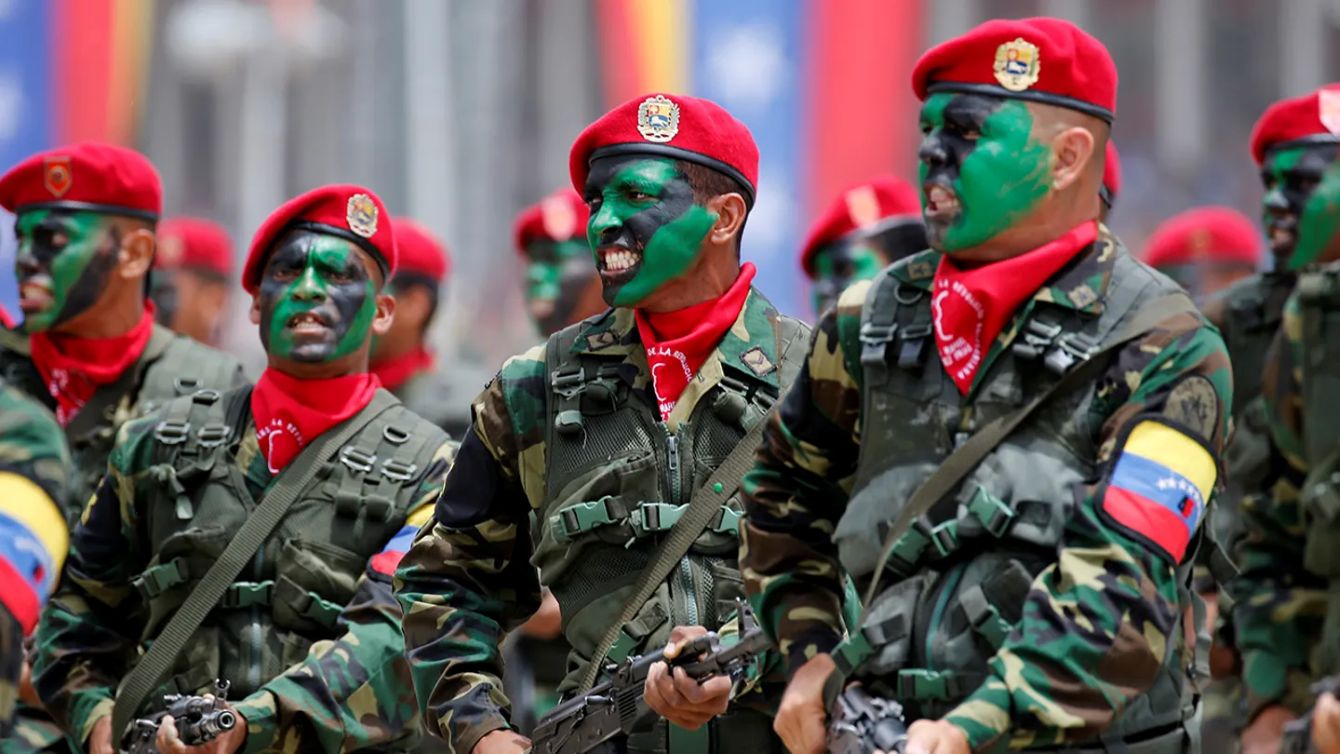
Despite those concerns, the Trump administration insists this time will be different, arguing that Venezuela’s economic collapse, hyperinflation, and mass migration leave few viable alternatives.
As the situation unfolds, questions remain about the legality, duration, and global consequences of America’s unprecedented pledge to govern Venezuela—at least for now.
We will continue to follow this developing story closely.
Reporting by Kathy Moore.