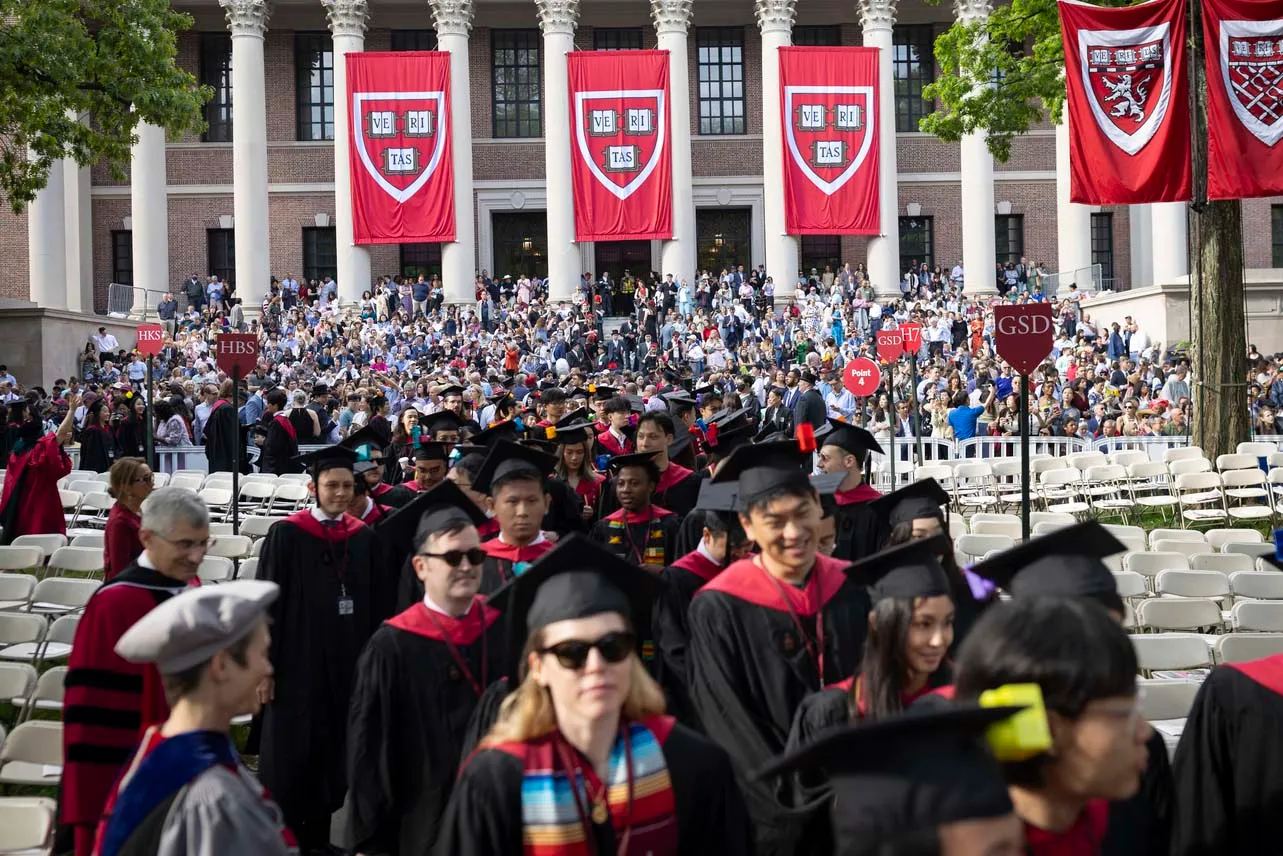
We begin with breaking developments out of Washington, where the White House is taking unprecedented action against one of America’s most prestigious universities. President Trump has signed a proclamation restricting international students from entering the United States to study at Harvard University, escalating an already tense standoff between the administration and the Ivy League institution.
According to the proclamation issued late Wednesday, foreign students and exchange visitors planning to study at Harvard will be denied entry unless their admission is deemed to serve “the national interest.” The directive also calls on Secretary of State Marco Rubio to assess whether visas for current international students already in the country should be revoked.
The administration accuses Harvard of being an unreliable partner in managing foreign student and exchange programs, citing alleged failures to report disciplinary infractions and raising concerns about the university’s relationships with researchers connected to China.
CBS News has reached out to Harvard for a response, but as of airtime, no official comment has been issued.
This is not the first time the Trump administration has clashed with Harvard. In fact, it follows a series of attempts to limit the university’s enrollment of international students — who make up over a quarter of Harvard’s student body. Just last month, the Department of Homeland Security moved to strip Harvard’s certification in the federal student visa system, a decision that was temporarily blocked by a federal judge after the university sued, calling the move unconstitutional and devastating.
And in another significant move last week, U.S. embassies and consulates were ordered to apply stricter scrutiny to visa applicants with any ties to Harvard not just students, but also faculty, visiting speakers, and even tourists. An internal email obtained by CBS News indicates this extra vetting is being treated as a pilot program that could expand nationwide.
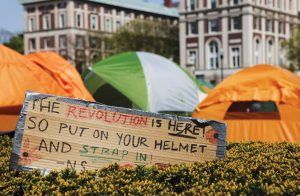
Behind the scenes, tensions have been growing for months. The administration has sought to cut off billions in federal funding to Harvard over disputes tied to diversity programs, campus protests, and alleged failures to address antisemitism. The school argues that the administration’s actions are politically motivated and infringe on its First Amendment rights.
Beyond Harvard, international students across the country are feeling the impact. Visa interviews have been suspended, and enhanced social media screening is being rolled out. Some foreign students have even had their visa statuses terminated for minor infractions, though that effort was recently paused by a court order.
And in a controversial move, a handful of students connected to pro-Palestinian activism have been detained under rarely used immigration laws. While judges have released two of them Columbia University’s Mohsen Mahdawi and Tufts University’s Rumeysa Ozturk another student, Columbia’s Mahmoud Khalil, remains in detention.
As legal battles unfold and diplomatic tensions rise, the future remains uncertain for thousands of international students who once saw America’s universities as a beacon of opportunity.
We will continue to monitor developments closely.
Reporting by Katy Moore.