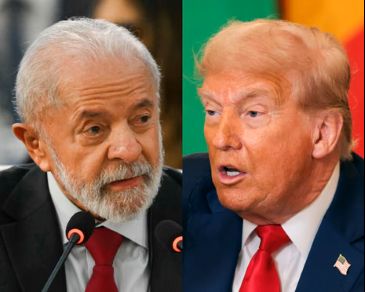
Tensions have escalated between the United States and Brazil after a dramatic trade move by President Donald Trump. In a fiery response to a diplomatic spat with Brazilian President Luiz Inácio Lula da Silva, the White House has announced sweeping new tariffs on Brazilian imports.
Effective August 1st, all goods entering the U.S. from Brazil will be subject to a 50% tariff—a sharp increase from the 10% rate imposed earlier this year. President Trump linked the punitive measure to what he described as Brazil’s disrespect for democratic values, citing the treatment of former Brazilian President Jair Bolsonaro as a major factor.
In an official letter, Trump accused Brazil of “attacking free elections” and infringing on Americans’ rights to free speech. He specifically called out Brazil’s judicial actions against Bolsonaro, who is facing charges related to an alleged coup plot in 2023. The U.S. president also directed his trade envoy to open an investigation into Brazil’s digital trade practices, alleging unfair treatment of American tech firms.
Brazilian markets reacted swiftly. The Brazilian real tumbled over 2% against the dollar, and major companies like Embraer and Petrobras saw their stock values take a hit. The tariffs could also lead to rising food prices in the U.S., with Brazil being a top supplier of coffee, orange juice, beef, sugar, and ethanol.
President Lula convened an emergency meeting in Brasília with top ministers to plan a response. In a defiant social media post, he dismissed Trump’s allegations as “false,” stressing that Brazil maintains a trade deficit with the U.S. and emphasizing his country’s sovereignty. Lula warned of reciprocal action, vowing to protect Brazilian interests on the global stage.
The diplomatic clash intensified earlier this week when Lula rebuked Trump during a BRICS summit in Rio de Janeiro, saying, “The world has changed. We don’t want an emperor.” That remark came after Trump threatened additional tariffs on BRICS nations, which he labeled “anti-American.”
Further straining relations, Brazil’s foreign ministry summoned the U.S. chargé d’affaires following a statement by the American embassy that criticized the legal cases against Bolsonaro as political persecution. Trump has publicly stood by Bolsonaro, calling the charges a “witch hunt,” and drawing comparisons to his own legal battles at home.
Critics fear the tariff move may damage longstanding economic ties. Brazil is the second-largest trading partner of the U.S., behind China. Industry groups warn the American juice and coffee sectors could face serious disruption, with potential job losses in processing and distribution networks tied to Brazilian imports.
President Lula has rejected any foreign interference in Brazil’s judicial system, defending the independence of its courts and reiterating that free speech must not be conflated with incitement or violence.
As this transcontinental standoff unfolds, all eyes are on Washington and Brasília, with the global economic ripple effects still uncertain.