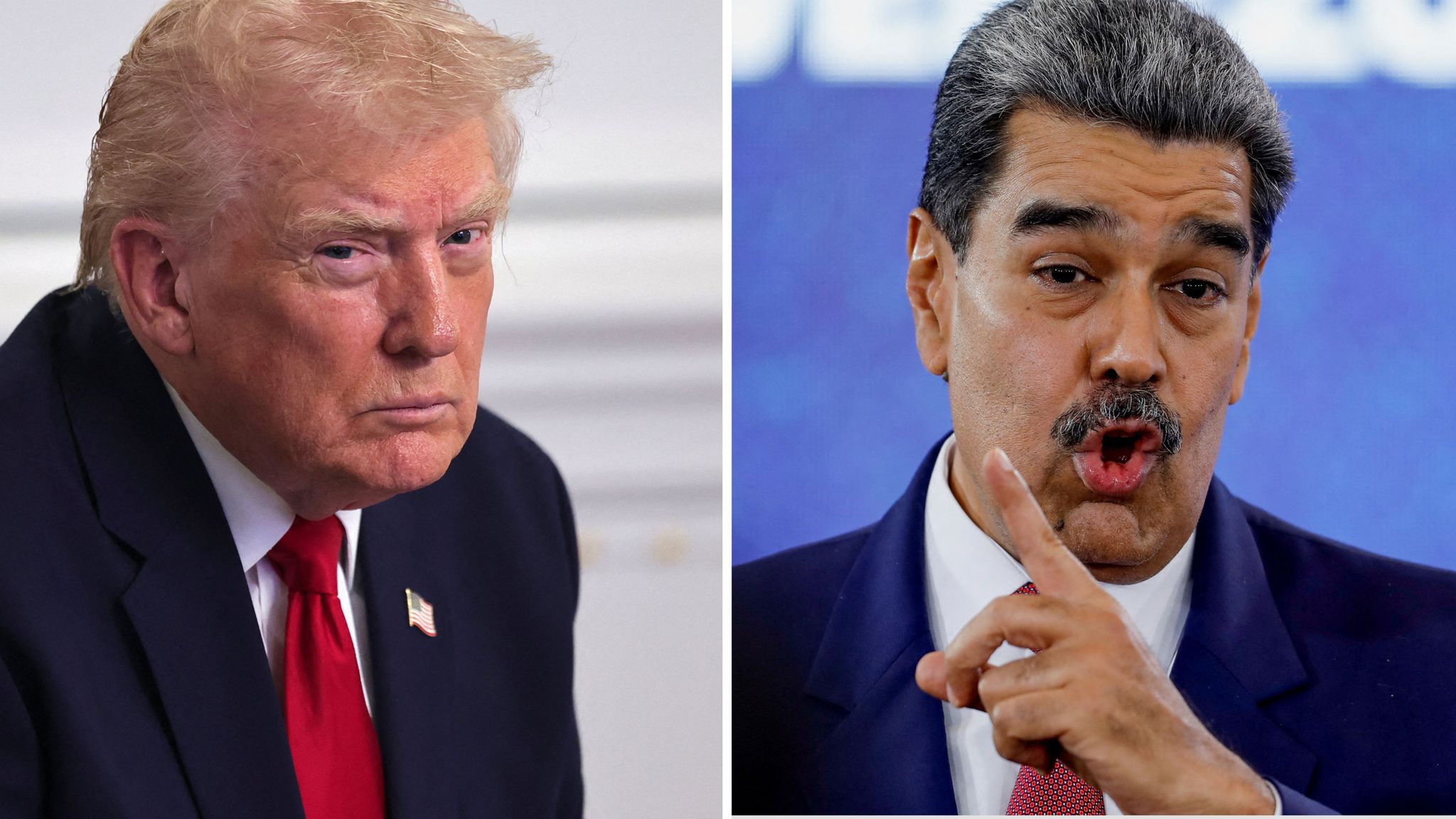
In escalating tensions in Latin America as former U.S. President Donald Trump declared Venezuelan airspace “closed in its entirety.” This bold statement, posted on his social media platform Truth Social on Saturday, has intensified concerns about the ongoing U.S. pressure campaign against Venezuelan President Nicolás Maduro.
Trump’s announcement called on “Airlines, Pilots, Drug Dealers, and Human Traffickers” to recognize an aerial blockade over Venezuela. However, it remains unclear whether this declaration signals a new official U.S. policy or is part of Trump’s ongoing political messaging against Maduro.
The Venezuelan government swiftly condemned the move, calling it a “colonial threat” aimed at undermining Venezuela’s sovereignty, territorial integrity, and aeronautical security. Caracas described Trump’s statement as a hostile, unilateral act that violates international norms.
Adding to the strain, Venezuela’s Foreign Ministry reported that U.S. immigration authorities have suspended biweekly deportation flights, halting the return of Venezuelan migrants. Since the start of the year, over 13,000 Venezuelans have been deported on dozens of chartered flights, with the latest arrival landing just this past Friday in Caracas.
Meanwhile, international airlines are reconsidering their operations in the region. The Federal Aviation Administration, or FAA, issued warnings last week advising pilots to exercise caution flying near Venezuelan airspace due to increased military activity. Though the FAA’s authority is generally confined to U.S. territories, such global advisories are routine when conflicts or heightened military presence pose risks to civil aviation.
The United States continues to maintain that Nicolás Maduro is not Venezuela’s legitimate leader and has accused him of narcoterrorism. In recent months, U.S. forces have significantly ramped up military presence in the Caribbean, including bomber flights near Venezuelan territory and the deployment of the USS Gerald R. Ford, America’s most advanced aircraft carrier, as part of the largest regional buildup in decades.
This operation, dubbed “Southern Spear,” now involves nearly a dozen Navy vessels and approximately 12,000 U.S. sailors and Marines, signaling serious military commitment to the region.
Amid growing controversy, bipartisan members of the U.S. Senate Armed Services Committee have pledged vigorous oversight following reports that Defense Secretary Pete Hegseth allegedly ordered the killing of all crew aboard a vessel targeted in a September 2 strike against suspected drug traffickers. Senators Roger Wicker and Jack Reed emphasized the need to investigate these serious allegations thoroughly.
Beyond military action, the Trump administration has explored covert CIA operations and other strategies to pressure Maduro. Publicly, Trump has even hinted at potential direct talks with the Venezuelan leader. Recent reports suggest a phone conversation took place between the two, though the White House has declined to confirm or elaborate on this.
As this story develops, it highlights the growing complexity of U.S.-Venezuelan relations and raises questions about the future of diplomatic and military engagement in the region.
We will continue to monitor the situation closely and bring you updates as they unfold.
Reporting by Kathy Moore.