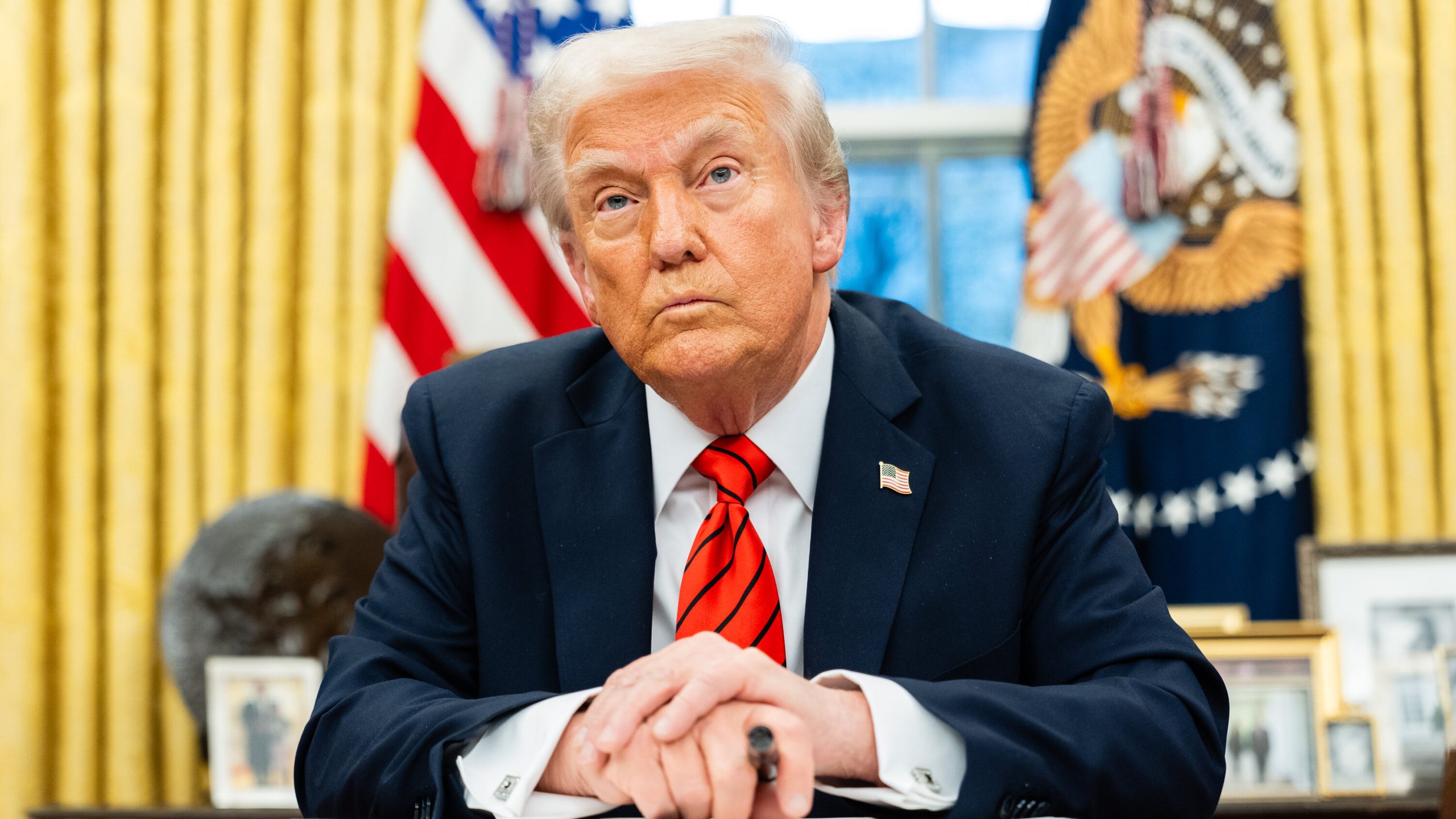
The Trump administration is once again reshaping America’s immigration landscape, this time with one of the most sweeping travel bans in recent history. President Trump has signed a proclamation imposing full travel bans on citizens from 12 countries and placing restrictions on another seven. The White House says the decision is driven by national security concerns, issues with visa overstays, and the lack of cooperation from foreign governments on deportations and information sharing.
Under the new policy, nationals from Afghanistan, Myanmar, Chad, the Republic of Congo, Equatorial Guinea, Eritrea, Haiti, Iran, Libya, Somalia, Sudan, and Yemen will be barred entirely from entering the United States — whether for tourism, business, or immigration. The ban includes both temporary and permanent visa holders, though some exceptions apply.
The proclamation also imposes partial restrictions on travelers from Burundi, Cuba, Laos, Sierra Leone, Togo, Turkmenistan, and Venezuela. Citizens from those countries will face major limits on obtaining U.S. immigrant visas and may be denied entry even on some temporary visas.
These new restrictions are set to take effect at 12:01 a.m. on Monday, June 9.
In a statement, White House spokeswoman Abigail Jackson defended the move, saying, “President Trump is acting decisively to protect Americans from foreign actors who may pose a threat to national security. The restrictions target countries that either don’t provide adequate information about their nationals or fail to cooperate with U.S. deportation efforts.”
The proclamation does make room for certain exceptions including lawful permanent residents, foreign diplomats, dual nationals traveling on a passport from a non-restricted country, athletes, and Afghan nationals who aided U.S. military efforts and hold special immigrant visas.
This latest action follows a violent incident in Boulder, Colorado on Sunday, where a suspect identified as an Egyptian national who had overstayed his tourist visa attacked demonstrators calling for the release of Israeli hostages held by Hamas. President Trump cited the attack as a stark example of what he called “the deadly consequences of weak visa enforcement.”
In a video message released Wednesday evening, President Trump warned, “We will not allow foreign nationals who pose a threat or those who abuse our visa system to put American lives at risk. This list of countries may change, and we may add more as new threats emerge.”
This move mirrors the controversial travel bans enacted during Mr. Trump’s first term, which began in 2017 with restrictions on several majority-Muslim countries, a policy that ignited nationwide protests and was eventually challenged in court. While critics decried it as discriminatory, the Supreme Court ultimately upheld a version of the ban in 2018.
In 2021, the Biden administration reversed those bans, citing them as counterproductive and discriminatory. But with President Trump now back in office, the return of such sweeping travel restrictions signals a renewed hardline approach to immigration and border policy.
Legal challenges to the new proclamation are expected in the days ahead. We will be watching developments closely and will bring you updates as they happen.
Reporting by Katy Moore.