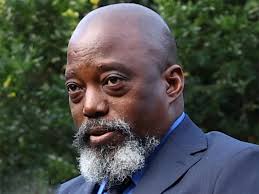
In the Democratic Republic of Congo, a historic and highly controversial trial has begun. Former President Joseph Kabila, who led the country for 18 years, is now facing charges of treason, murder, rape, and supporting armed insurgents, in a case that has gripped the nation and drawn international attention.
Kabila, who was absent from the courtroom in Kinshasa, has requested to be tried in absentia. He strongly denies all charges and has condemned the proceedings as, quote, “arbitrary”, accusing the current administration of weaponizing the judiciary for political gain.
The trial, convened in a military court, stems from allegations that the former president backed the M23 rebel group, which continues to control large swaths of eastern DRC. President Félix Tshisekedi, Kabila’s successor and political rival, has publicly pointed to Kabila as the mastermind behind the rebel movement. That accusation follows the former president’s recent return from a two-year self-imposed exile in South Africa, arriving in the rebel-occupied city of Goma earlier this year.
Despite a ceasefire agreement reached just last week, fighting in the mineral-rich eastern provinces continues. International observers, including the United Nations and several Western governments, have blamed neighboring Rwanda for aiding the M23 rebels—an allegation Kigali firmly denies, insisting it’s merely acting to secure its borders.
Kabila’s lifetime immunity as a former president was lifted in May, following a vote by the DRC Senate. Prosecutors say the ex-leader is connected to the Congo River Alliance, a broader coalition of rebel militias that includes the M23.
The charge sheet also implicates him in torture, insurrection, and the forcible occupation of Goma. Government prosecutors have requested more time to review documents, leading to a postponement of the trial until later this month.
Tensions have escalated further after a now-deleted video surfaced in May, in which Kabila slammed the Congolese government as a “dictatorship”, warning of a “decline in democracy.” Government spokesperson Patrick Muyaya dismissed those remarks, calling Kabila irrelevant to national progress.
Today, allies of the former president are crying foul. Ferdinand Kambere, a former official from Kabila’s now-banned PPRD party, accused the government of double standards, claiming it’s overly lenient in peace talks with rebels, yet unrelenting in its crackdown on Kabila. Meanwhile, longtime supporter Emmanuel Ramazani Shadary referred to the trial as “political theatre.”
But the government is pushing back on such accusations. Deputy Justice Minister Samuel Mbemba issued a stern statement at the trial’s opening, saying, “Justice does not negotiate… the judicial calendar is not aligned with the political calendar.”
As the Democratic Republic of Congo teeters between justice and political crisis, the world watches closely.
Stay with us for continuing updates on this developing story.
Reporting by Ehud Jones.