A seismic shift in late-night television is making waves far beyond the entertainment world. CBS has officially canceled The Late Show with Stephen Colbert, and while the network says the move is purely financial, critics and viewers alike are asking: was this really just about money—or something more politically charged?
End of an Era: CBS Shuts Down “The Late Show”
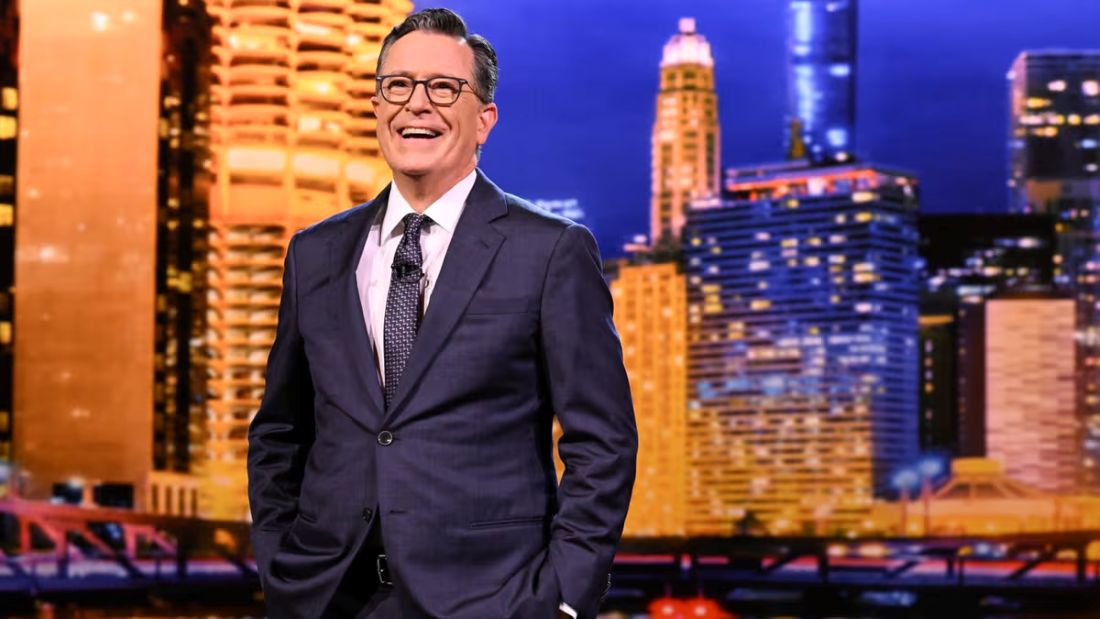
On Thursday, beloved host Stephen Colbert confirmed that The Late Show—currently the highest-rated program in late-night—will be sunset in May 2026. The news, first reported by The Hollywood Reporter, sent shockwaves through the industry. After 33 years on the air, since its launch by David Letterman, the iconic franchise is being pulled from the lineup.
CBS maintains the decision was “purely financial,” citing a tough environment for traditional late-night in a rapidly changing media landscape. The network pointed to dwindling ad revenue and a generation of younger viewers who increasingly consume comedy through social media snippets, not hour-long talk shows.
But that explanation doesn’t sit well with everyone.
Colbert’s Political Edge—and the Timing of His Exit
Just days before the cancellation, Colbert delivered a blistering monologue targeting CBS’s parent company, Paramount, over its $16 million legal settlement with the Trump administration regarding an edited 60 Minutes interview with then-Vice President Kamala Harris. He called the settlement “a big, fat bribe,” suggesting it was linked to Paramount’s ongoing efforts to secure FCC approval for a merger with Skydance Media.
Colbert made that joke on Monday. By Wednesday, he was informed the show was canceled. By Thursday, the public knew.
Coincidence? Many think not.
Colbert has long been a fierce critic of former President Donald Trump and the MAGA movement. He was among the earliest and sharpest comedic voices to consistently challenge Trump’s rhetoric and policies. That made him not just a popular late-night host—but also a political lightning rod.
Trump Responds—With Glee
Unsurprisingly, Trump responded with satisfaction. In a post on his social media platform, he wrote: “I absolutely love that Colbert got fired. His talent was even less than his ratings… I hear Jimmy Kimmel is next. Has even less talent than Colbert!”
It’s the kind of message that’s raised alarms about possible political pressure being exerted on media corporations—especially those seeking regulatory approval or facing legal vulnerabilities.
A Pattern of Corporate Capitulation?
This isn’t the first time critics say big media has caved under authoritarian pressure. In 2018, Netflix removed an episode of Hasan Minhaj’s Patriot Act in Saudi Arabia after the host condemned the murder of journalist Jamal Khashoggi. Communications scholars called it a “symbiotic relationship of mutual accommodation”—corporations gain market access while softening their stance on free expression.
Now, some are asking if Colbert’s exit fits into the same pattern.
The Bigger Picture: Comedy and Censorship
What happens when corporations decide that politically fearless comedy is too costly? Do we lose a crucial cultural check on power?
History offers a cautionary tale. In the 1960s, legendary comic Lenny Bruce was surveilled and arrested for his act. Comedians have always tested boundaries—but today, the threat might not be jail cells, but boardrooms, ad dollars, and regulatory leverage.
And with Colbert off the air, critics fear the stage for political comedy is shrinking. If high-profile platforms become hostile to satire that challenges the powerful, will comedians be pushed back into clubs and independent platforms?
Yes, free speech still lives. But the question is: where?
The Future of Political Comedy
For now, Colbert’s departure leaves a gaping hole in the late-night landscape—and a pressing question for the future of the genre he helped define.
Will political comedy find refuge outside corporate media, or are we witnessing the start of a broader crackdown on comedic dissent?
Only time and ratings will tell.
Reporting by Katy Moore.