The questions are swirling around a proposed gift from the Middle East that’s making waves in Washington. A luxury jet offered to the U.S. government by Qatar has sparked a political firestorm—drawing scrutiny not only for its price tag but for its intended use by former President Donald Trump.
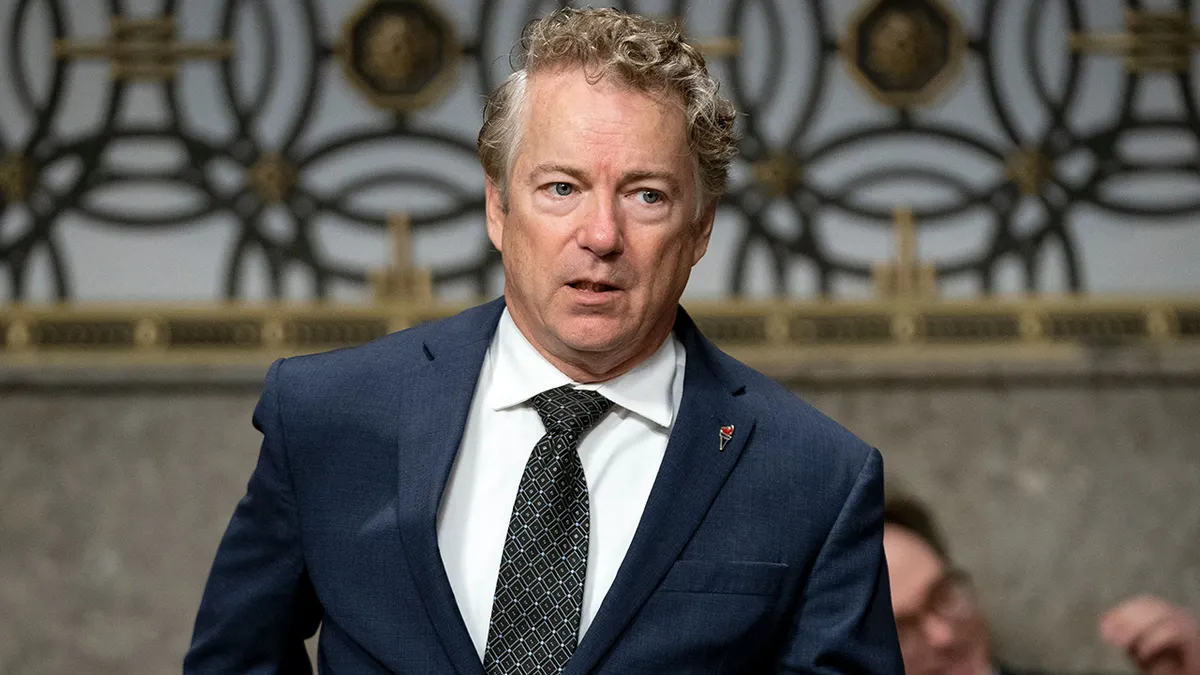
Speaking on ABC’s ‘This Week,’ Kentucky Senator Rand Paul expressed skepticism about the optics and legality of accepting the estimated $400 million aircraft. According to Senator Paul, while there may be technically legal avenues to accept the gift, the controversy it has created is, in his words, “raising more questions than it’s worth.”
Paul’s main concern centers on the arrangement that would temporarily place the jet under government control, possibly as an Air Force One substitute—before ultimately being transferred to President Trump’s presidential library after his retirement. He suggested that such a transfer raises red flags and could easily be misinterpreted, distracting from what he called an otherwise productive diplomatic mission to the Middle East.
The former president had shown interest in accepting the aircraft prior to his recent trip to Qatar. Though the gift did not materialize during the trip, the idea has fueled concerns of potential conflicts of interest. Still, Special Envoy to the Middle East Steve Witkoff defended the deal, insisting it is legal and thoroughly vetted.
Legal or not, the optics remain politically fraught—especially as Trump eyes another run for the White House.
Meanwhile, Senator Paul didn’t hold back when addressing President Trump’s ongoing trade policies. Reacting to the administration’s temporary reduction of tariffs on Chinese imports, Paul called the levies “taxes in disguise”—saying they ultimately hurt American consumers.
When you tax businesses, those costs get passed on. Prices go up. It’s not U.S. versus China—it’s American consumers paying more at Walmart and Amazon.
Paul pushed back on the idea that trade deficits are harmful, calling them “economic fiction.” He argued that individuals benefit from access to lower-cost goods, and that the real winners are everyday Americans who save thousands each year thanks to global supply chains.
And when it comes to the legality of the tariffs themselves, Paul voiced constitutional concerns. He questioned whether the executive branch has the authority to impose such widespread duties without Congressional approval.
Under a strict reading of the Constitution, tariffs must originate in the House. Congress has been too willing to hand that power over to presidents, and it’s time we reclaim it.
Senator Paul’s comments come amid ongoing legal challenges to the tariffs and a broader conversation about how trade policy should be conducted. One thing is clear: both the Qatari jet controversy and the ongoing tariff debate are shining a spotlight on the complex intersection of foreign gifts, presidential power, and economic policy.
Reporting by Katy Moore.