The federal shutdown in Washington is fueling expectations that the Federal Reserve will move ahead with further interest rate cuts. Markets are now betting with near certainty on a reduction later this month, and almost a nine-in-ten chance of another before the end of the year.
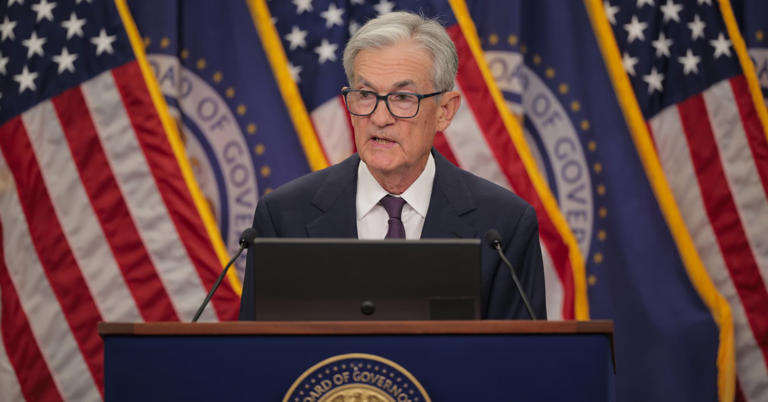
The deadlock on Capitol Hill, which began at midnight Thursday, has heightened concerns that Chair Jerome Powell and fellow policymakers will take a more cautious path. Economists say the shutdown, along with delayed economic data, is likely to reinforce the Fed’s bias toward easing.
Krishna Guha of Evercore ISI told clients that the shutdown “nudges what was already a strongly expected rate cut in October even further into certainty,” noting that risks to the labor market now outweigh inflation concerns.
At last month’s meeting, a narrow majority of Fed officials signaled support for two cuts before the end of 2025. Some worried that tariffs could temporarily lift prices, but most agreed that inflation is still on track to gradually return to the Fed’s 2% target.
Bank of America analysts add that if the shutdown continues through the Fed’s late-October meeting, officials may have no choice but to act. Without September jobs data, Powell could favor what economists call a “risk management” cut.
The economic costs of the government stoppage are already mounting. The Congressional Budget Office warns that each day the shutdown persists, some 750,000 federal workers could be sidelined, with compensation losses reaching $400 million daily.
And while furloughed employees in past shutdowns were granted back pay, President Trump has raised the possibility of reviewing federal payroll levels and even making some cuts permanent — a move that could worsen an already fragile labor market.
With private payrolls already down by more than 30,000 in September, analysts say an extended shutdown could deepen the slowdown and lock in further Fed action.
Reporting by Noko David.