A groundbreaking development in the world of clean energy, Tesla has made a bold investment that could transform the way China and perhaps the world manages electricity.
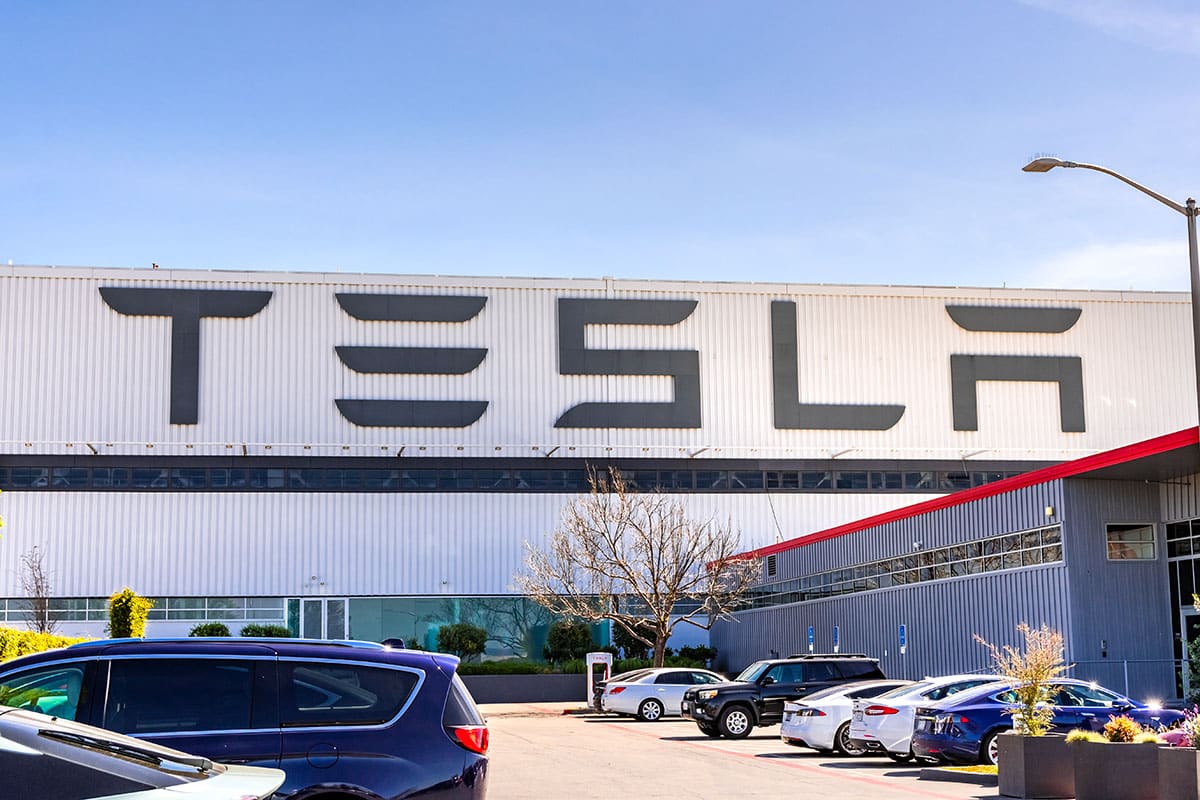
In a major move bridging innovation and international cooperation, Tesla is committing $557 million to build China’s largest battery storage facility in Shanghai. The high-stakes project marks a major step in Tesla’s evolution from an electric car manufacturer into a global energy powerhouse.
The new battery station, expected to be operational by 2027, will be a critical part of China’s growing renewable energy infrastructure. Designed to absorb and store excess electricity during low-demand periods and release it during peak usage, the facility acts as a giant energy buffer—helping to stabilize the nation’s increasingly solar- and wind-powered grid.
This initiative dovetails with China’s own ambitions to reach 329 gigawatts of energy storage capacity by 2024. Once completed, the Tesla station will outsize the current national leader in Shandong province and could play a key role in reshaping China’s energy management strategy.
Central to the project is Tesla’s Megapack technology—massive lithium-ion battery units capable of storing up to 3.9 megawatt-hours each. These storage systems are already proving crucial in efforts to prevent blackouts and balance energy supply around the world.
Shanghai was a strategic choice for Tesla’s next energy leap. The city’s excellent infrastructure, government support for innovation, and Tesla’s existing Megapack factory in Lingang—the first of its kind outside the U.S.—make it the ideal launchpad. Since opening just months ago, that plant has already produced over 100 Megapacks, accelerating the company’s global energy ambitions.
But Tesla faces tough competition. Chinese firms CATL and BYD currently control over half of the global battery market, and are rapidly expanding. Still, with China projected to add over 40 gigawatts of storage by year’s end, there’s plenty of room—and pressure—for innovation.
Analysts say this Tesla-China venture could ease trade tensions and signal a new era of collaborative energy solutions. It also reinforces Tesla’s shift toward being not just a carmaker, but a major player in global energy infrastructure.
“Tesla’s Shanghai project isn’t just about batteries—it’s about rewriting the rules of the global energy game.”
As the world grapples with climate change and energy instability, alliances like this one show how bold investments and smart policy can bring sustainable solutions closer to reality.
We will continue to track Tesla’s next moves, China’s clean energy surge, and what it all means for the future of power on our planet.
Reporting by Katy Moore.