
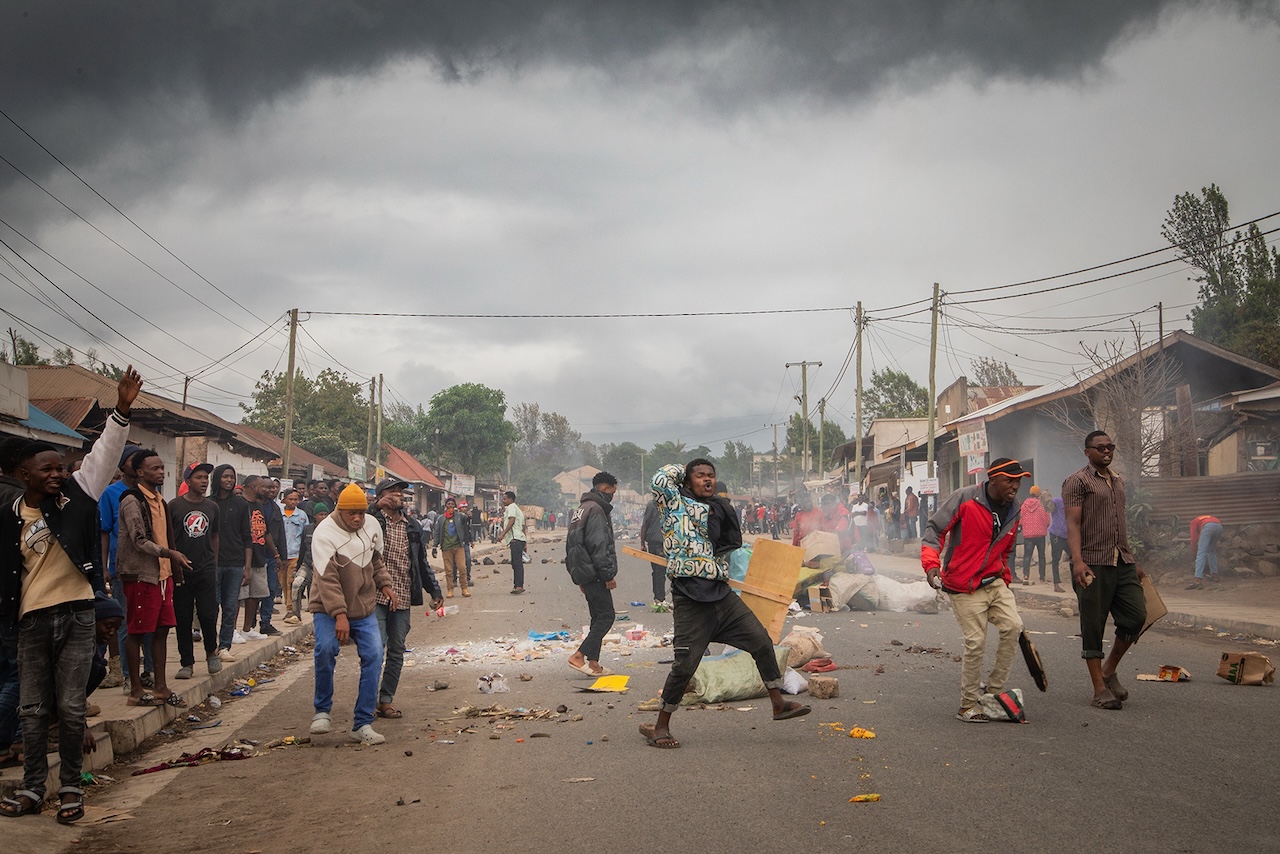
Tanzania moves to reestablish order following election turmoil.
October 29, 2025, was meant to be a pivotal day for Tanzania as millions of voters headed to the polls. Instead, the nation witnessed widespread unrest, with protests erupting in Dar es Salaam — the country’s largest city — and several other urban centers.
The demonstrations were fueled by growing anger over the exclusion of major opposition candidates from the presidential race, alongside concerns about an escalating crackdown on government critics.
In response, Tanzanian authorities declared a nationwide curfew and deployed military forces across the streets, aiming to quell the unrest that included reports of vandalism, looting, and attacks on polling stations, particularly in key cities.
Internet outages and communication disruptions were widely reported, compounding fears amid the chaos. While official numbers remain unconfirmed, multiple sources suggest that several people lost their lives during the clashes that accompanied the election.
Incumbent President Samia Suluhu Hassan is widely expected to secure another term, but the election process has been overshadowed by controversy, especially following the treason trial of Tundu Lissu, the leader of the main opposition party CHADEMA.
Lissu’s party was disqualified after refusing to sign the electoral code of conduct, citing the need for sweeping reforms. Similarly, Luhaga Mpina, the presidential candidate for the ACT-Wazalendo party, was also barred from contesting.
As vote counting continues, the state-run Tanzania Broadcasting Corporation has begun broadcasting preliminary results, which show President Hassan holding a strong lead in multiple constituencies.
However, international observers are raising serious concerns. On Thursday, Members of the European Parliament issued a joint statement condemning the elections as neither free nor fair.
They stressed that electoral fraud had been ongoing for months, not just on voting day, highlighting that the silencing of opposition voices, restrictions on freedom of assembly and speech, and media intimidation rendered the process illegitimate.
The European Parliament urged the international community to stand firm in defending democracy and human rights in Tanzania, warning that silence on these issues amounts to complicity.
The Tanzanian government, however, rejects these accusations, maintaining that the election was conducted fairly and transparently, while denying allegations of human rights abuses and the abduction of opposition figures during the campaign.
Tanzania, once hailed as a beacon of peace and human rights under its founding father Julius Nyerere, now faces criticism over a steady political decline since President Hassan assumed office in 2021.
Human rights groups accuse the government of suppressing dissent, detaining opposition leaders, excluding citizens from meaningful political participation, and even deporting foreign nationals deemed security risks.
Blessing Vava, head of the Crisis in Zimbabwe Coalition and recently deported from Tanzania, described the country’s current trajectory as authoritarian. She lamented that Tanzania’s historic role as a liberation movement hub in Southern Africa is at odds with today’s political realities — a shift that could tarnish the reputation of the Southern African Development Community and the broader continent.
For President Hassan, these developments represent a crucial challenge. Initially praised for easing some of the harsh political repression seen under her predecessor, analysts now say the legitimacy of any election winner is deeply compromised.
Fergus Kell, a research fellow at Chatham House, described the election as essentially a one-party contest, where legal and political maneuvers have eliminated real competition. He noted that Tanzania’s constitution has not been meaningfully reformed since independence, and there appears little appetite to change the entrenched system.
Observers call for urgent constitutional reforms and a national dialogue to restore political legitimacy and rule of law in Tanzania.
Blessing Vava urged the government and stakeholders to develop a clear roadmap for reform to rebuild trust and democratic governance.
As Tanzania seeks to navigate these turbulent times, the path forward remains uncertain — but one thing is clear: the voices of millions, especially the youth, are demanding change.
We will continue to follow this developing story closely.
Reported by Ehud Jones