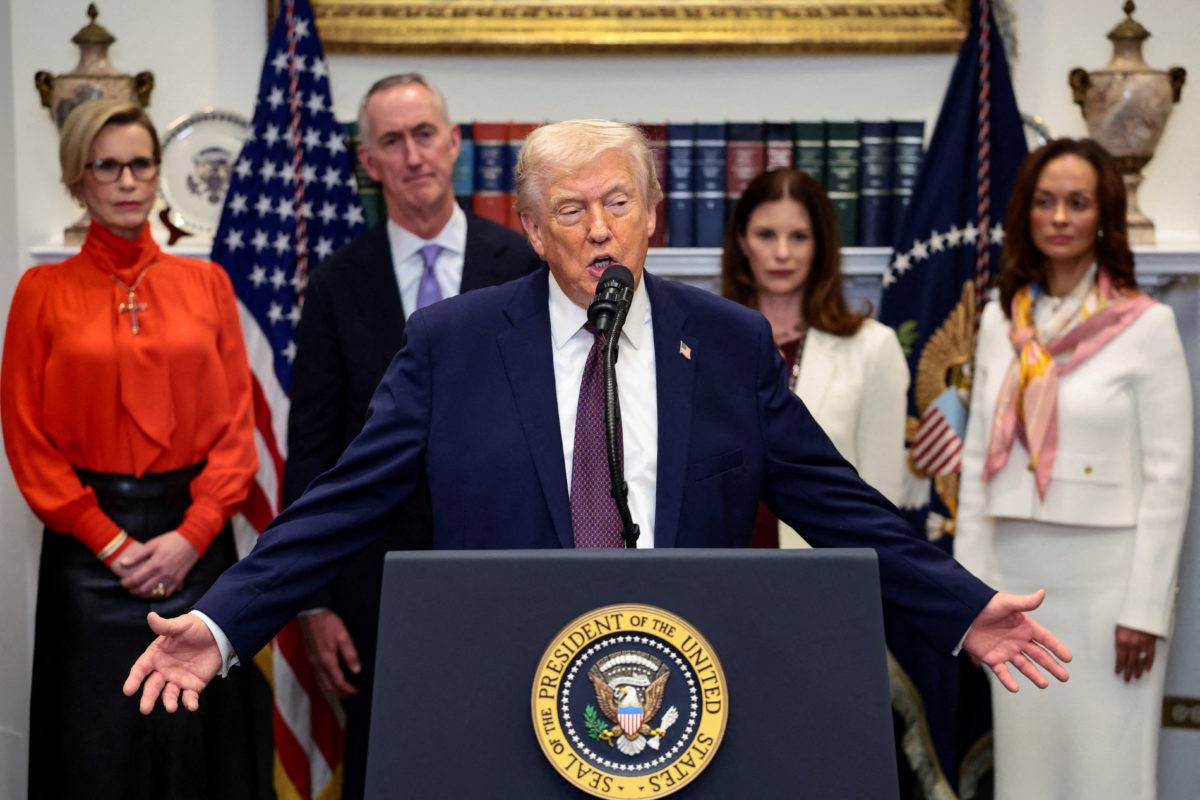
A sweeping shift in U.S. foreign policy staffing—one that’s being felt across Africa and beyond. The Trump administration is scaling down American diplomatic missions worldwide, recalling senior diplomats from nearly 30 countries, including Rwanda and Uganda, as part of a broader effort to realign U.S. diplomacy with President Trump’s “America First” agenda.
According to two State Department officials familiar with the decision, chiefs of mission in at least 29 countries were notified last week that their assignments will end in January. The diplomats affected include ambassadors and other senior embassy officials—most of whom were appointed during the Biden administration.
Although many had initially survived early personnel changes at the start of President Trump’s second term, that changed this week. On Wednesday, officials began receiving formal notices from Washington informing them of their upcoming departures.
Under U.S. law, ambassadors serve at the pleasure of the president and are typically posted overseas for three to four years. State Department officials emphasize that those recalled are not being dismissed from the Foreign Service. Instead, they may return to Washington and accept new assignments if they choose.
The State Department declined to confirm the exact number of diplomats involved but defended the move, describing it as routine during a change in administrations. In a statement, the department noted that ambassadors act as the president’s personal representatives abroad and that the president has the authority to ensure those representatives fully support his policy priorities.
Africa is the region most heavily impacted by the recall. Ambassadors from 13 African nations are being replaced, including Burundi, Cameroon, Cape Verde, Gabon, Ivory Coast, Madagascar, Mauritius, Niger, Nigeria, Rwanda, Senegal, Somalia, and Uganda.
Asia follows, with changes announced in six countries, including the Philippines and Vietnam. In Europe, four nations are affected, while additional recalls are taking place in the Middle East, South and Central Asia, and the Western Hemisphere.
The news was first reported by Politico and has sparked concern among some U.S. lawmakers and the union representing American diplomats. Critics warn the rapid drawdown could disrupt long-standing relationships and weaken U.S. influence abroad, particularly in regions facing security and governance challenges.
Supporters of the move, however, argue the recalls are necessary to ensure diplomatic leadership is fully aligned with the administration’s foreign policy goals.
As the administration moves to reshape America’s diplomatic footprint, the impact of these changes—especially in Africa—will be closely watched by allies and adversaries alike.
We will continue to follow this developing story.
Reporting by Ehud Jones.