
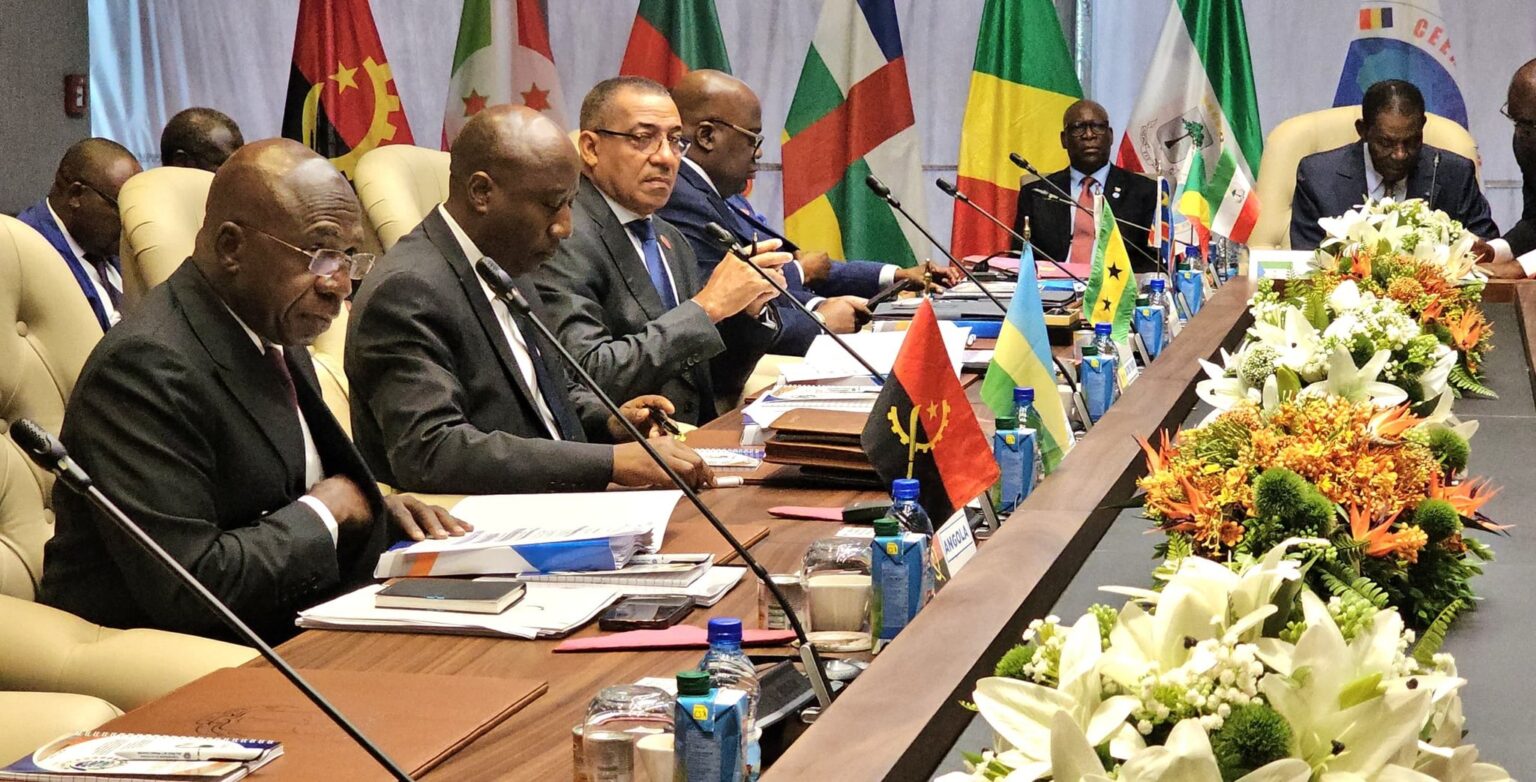
In a significant geopolitical shift, Rwanda has announced its decision to leave the Economic Community of Central African States (ECCAS), citing strained relations with the Democratic Republic of Congo (DRC) and Burundi as key reasons for its exit. The move underscores deepening regional tensions and raises questions about the future of economic and security cooperation in Central Africa.
Why Rwanda is Leaving ECCAS
Rwanda’s government stated that continued membership in ECCAS had become “untenable” due to persistent conflicts and accusations from neighboring countries, particularly the DRC and Burundi. Key factors behind the decision include:
-
Accusations of Supporting Rebel Groups – The DRC has repeatedly accused Rwanda of backing the M23 rebel group, a claim Kigali denies. This has led to diplomatic clashes and a breakdown in trust within ECCAS.
-
Security Concerns with Burundi – Relations with Burundi have also deteriorated, with Bujumbura closing its border with Rwanda in January 2023 and accusing Kigali of harboring rebel factions.
-
Lack of Constructive Dialogue – Rwanda claims that ECCAS has failed to mediate disputes fairly, instead allowing what it calls “baseless allegations” to dominate discussions.
Implications for Regional Stability
Rwanda’s withdrawal from ECCAS could have significant consequences:
-
Economic Impact: Rwanda may lose access to certain regional trade benefits, though it remains a member of the East African Community (EAC) and the African Continental Free Trade Area (AfCFTA).
-
Security Dynamics: The exit could further isolate Rwanda diplomatically, potentially escalating tensions with the DRC and Burundi.
-
ECCAS’s Credibility: The bloc, already criticized for inefficiency, may face questions about its ability to maintain cohesion among member states.
Rwanda’s Next Steps
Rwanda’s government has emphasized that it will focus on strengthening ties with other regional blocs, particularly the EAC, where it maintains active partnerships. Analysts suggest that Kigali may seek alternative alliances to counterbalance its strained relations with ECCAS members.
Conclusion
Rwanda’s departure from ECCAS marks a pivotal moment in Central African geopolitics. With longstanding conflicts remaining unresolved, the move highlights the fragility of regional cooperation in the face of deep-seated mistrust. The international community will be watching closely to see whether this decision leads to further fragmentation or prompts renewed efforts at dialogue.
What do you think? Will Rwanda’s exit weaken ECCAS, or could it push the bloc to address internal disputes more effectively? Share your thoughts in the comments.
Reporting by Ehud Jones.