Tensions remain high in the Middle East tonight, as Iran signals that any immediate return to negotiations with the United States is unlikely, despite recent calls from President Donald Trump for renewed diplomacy.
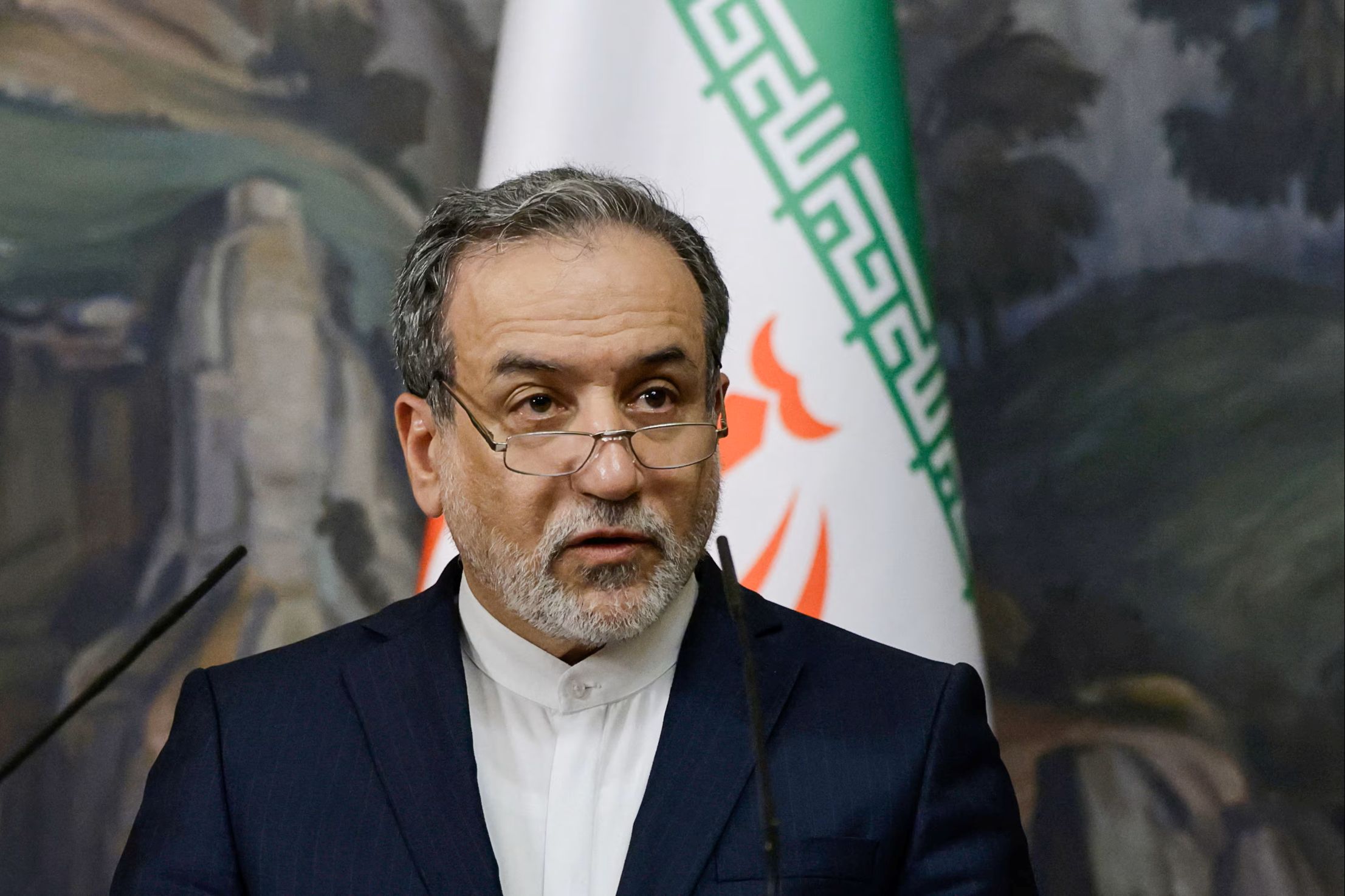
In an exclusive interview with CBS News, Iranian Foreign Minister Abbas Araghchi cast doubt on the possibility of quickly resuming nuclear talks following last month’s intense 12-day conflict with Israel and subsequent U.S. airstrikes on Iran’s nuclear infrastructure.
Speaking from Tehran, Araghchi said bluntly, “I don’t think negotiations will restart as quickly as that.” The foreign minister made clear that trust needs to be reestablished before Iran is willing to return to the table. “We must ensure that the U.S. will not launch another military attack during negotiations,” he stated. Still, in a remark offering a potential opening, Araghchi emphasized that “the doors of diplomacy will never slam shut.”
This comes just days after President Trump declared victory in what he called the “12-day war” between Iran and Israel. In a televised address, he claimed that U.S. forces had “completely obliterated” Iran’s nuclear sites at Fordow, Natanz, and Isfahan.
Chairman of the Joint Chiefs General Dan Caine echoed that message, citing “extremely severe damage.” However, the head of the U.N.’s nuclear watchdog, Rafael Grossi, gave a more tempered assessment, telling CBS the sites were badly damaged but not destroyed beyond recovery. He added that Iran could potentially restart enrichment operations within months.
Foreign Minister Araghchi dismissed the notion that the nuclear program could be bombed out of existence. “Science and knowledge cannot be obliterated through airstrikes,” he said. Iran, he added, “has the will and capacity to repair the damages quickly.”
When asked directly if Iran plans to resume enrichment, Araghchi said the country’s peaceful nuclear program has become “a symbol of national pride,” especially in the aftermath of the recent conflict. “The people of Iran will not easily back down,” he asserted.
Following the ceasefire, Iran’s Supreme Leader Ayatollah Ali Khamenei declared a symbolic victory over Israel, calling the Israeli government “crushed” by Iran’s military response. President Trump fired back online, calling the statement a lie and claiming that Iran had been “decimated.” He also alleged that he had blocked an Israeli plan to assassinate Khamenei during the fighting.
President Trump is expected to meet with Israeli Prime Minister Benjamin Netanyahu next Monday at the White House. That meeting is likely to influence whether the fragile ceasefire holds—and whether diplomacy has any real chance to resume.
Meanwhile, Trump has hinted he might order new strikes if Iran resumes enrichment above certain limits. Araghchi pushed back, questioning the legality of such threats and warning that Iran is ready to respond. “We’ve proven during this war that we can defend ourselves,” Araghchi said. “And we will do so again if necessary.” As the region stands at a crossroads between conflict and diplomacy, the world watches and waits.
We will continue to follow developments in this critical story.
Reporting by Carl Montel.