In today’s top economic story, Russia’s leading financial figure has delivered a stark warning about the country’s economic priorities — suggesting Moscow may be focusing on the wrong battle.
German Gref, CEO of Sberbank and former Russian economy minister, addressed Russia’s State Council on Demographic and Family Policy last Thursday. He criticized policymakers for their intense focus on curbing inflation at the expense of fostering economic growth. Gref cautioned that without robust growth, Russia will struggle to tackle pressing social challenges or sustain long-term prosperity.
According to Gref, economic growth hinges on two crucial pillars: labor productivity and employment levels. Yet, both are under severe strain due to demographic challenges and ongoing economic pressures.
While technological advances like artificial intelligence and robotics could drive productivity gains, Gref emphasized that realizing these benefits requires heavy investment in education, science, and innovation — all made difficult by Russia’s current capital shortages and high interest rates.
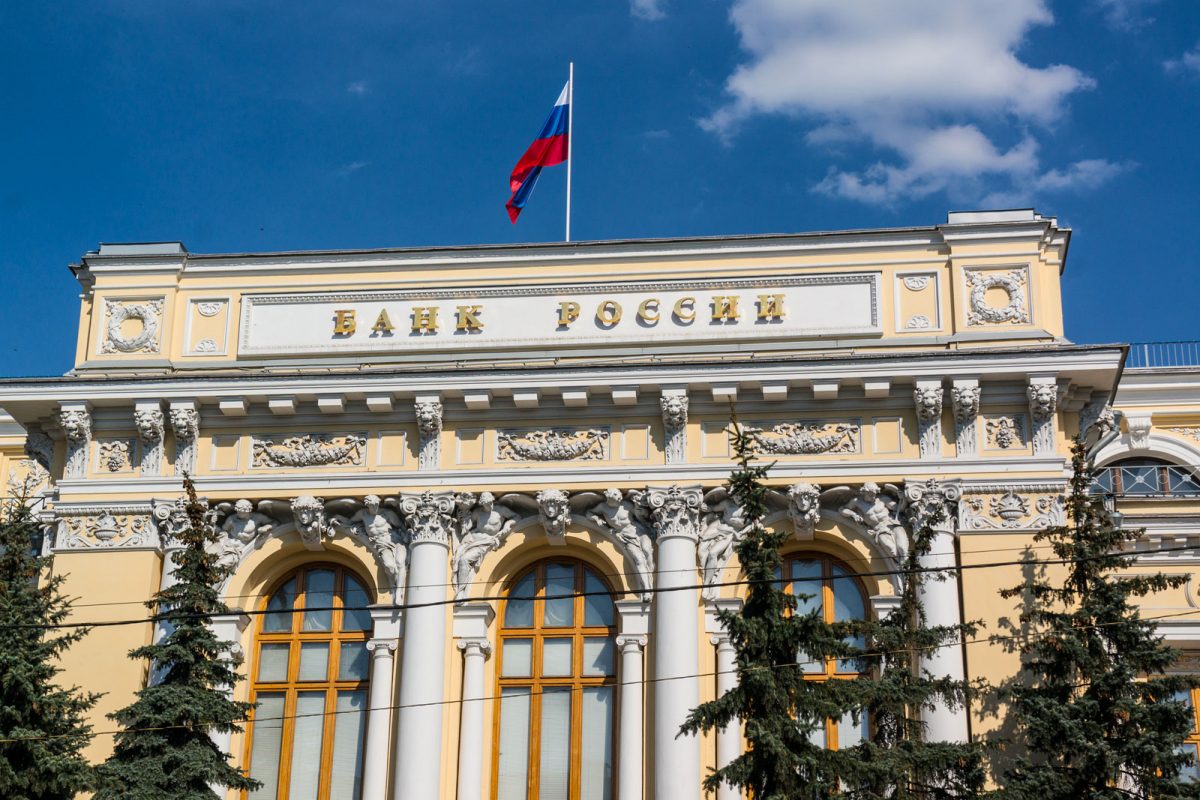
This comes just before Russia’s central bank recently cut its key interest rate slightly to 16.5 percent. Business leaders have increasingly criticized the central bank’s tight monetary policy, warning that exorbitant borrowing costs are stifling investment and lending. However, the bank maintains that such measures are essential to keep inflation, which hovered around 6.4 percent in the last quarter, under control.
Gref forecasts that Russia’s economic growth will be modest at best, with GDP expected to expand between just one and one and a half percent over the next two years — a steep slowdown from last year’s 4.3 percent growth.
Adding to the economic strain is a deepening demographic crisis. Russia faces a looming labor shortage estimated to reach nearly 11 million workers by 2030, as warned by Labor Minister Anton Kotyakov earlier this year. The ongoing conflict in Ukraine has worsened this issue by reducing the working-age population through casualties and emigration of young professionals.
While Russia has relied on migrant labor from Central Asia, Gref noted that this strategy has resulted in a “negative selection,” attracting mainly low-skilled workers while losing highly qualified specialists. He urged Moscow to prioritize attracting skilled foreign professionals and incentivize foreign graduates to remain in Russia — describing this as a matter of national security and the country’s survival.
This demographic squeeze is already reshaping the economy, keeping unemployment artificially low at around 2.1 percent while fueling inflation through rapid wage increases. Employers are forced to hire retirees and teenagers to fill labor gaps, all within an economy strained by heavy wartime expenditures.
President Vladimir Putin has called population growth a national imperative, linking it to “ethnic survival” and encouraging families to have up to eight children. However, recent statistics show births have fallen to their lowest level in decades, with deaths surpassing births by a significant margin.
As Russia grapples with these intertwined economic and demographic challenges, the question remains: can Moscow shift its strategy to foster sustainable growth and secure its future?
That’s the latest on Russia’s economic outlook here at SNEWS TV.
Reported by Noko David.