We turn our focus to the Democratic Republic of Congo, where the M23 rebel group—after sweeping across the country’s east in a rapid offensive—now faces a challenge very different from the battlefield: governing.
Having seized key cities like Goma and Bukavu, M23 must now prove it can do what it claims the government in Kinshasa could not—bring stability and economic recovery to an area home to over five million people. But the reality on the ground tells a complicated story.
Banks remain closed. Cash is scarce. Prices for basic goods have soared. And as M23 seeks to fund its operations, residents and businesses are facing a new wave of taxes. Near Rubaya, where some of the world’s most valuable coltan is mined—a mineral critical for smartphones—the rebels have imposed a 15% tax on all coltan exports. Traders and officials confirmed the tax on SNEWS TV in exclusive interviews.
And it’s not just the mining sector under pressure. Small traders selling everything from bananas to charcoal are being hit with new fees—some as high as 20%. Many locals say the cost of doing business has doubled overnight.
‘Customers don’t come anymore,’ said Rachelle Monimpo, a cloth seller in Goma’s market. ‘We’re struggling just to pay these taxes.’
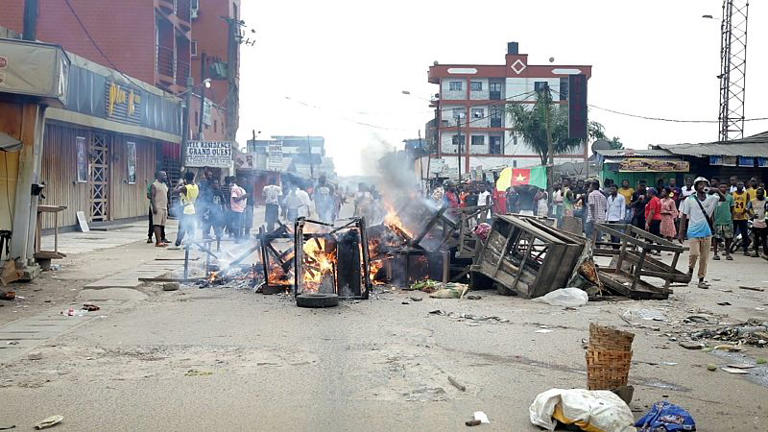
SNEWS TV reporters visited Goma, Bukavu, and Rubaya, speaking with dozens of residents, traders, and officials—many too afraid to be named publicly. While daytime streets remain bustling, at night, cities turn quiet except for rebel patrols and remnants of pro-government militias.
International concerns are growing. The United Nations says M23 is backed by neighboring Rwanda—a claim Kigali continues to deny. In response, the U.S., U.K., Canada, Germany, and the European Union have imposed sanctions on Rwandan officials linked to the insurgents.
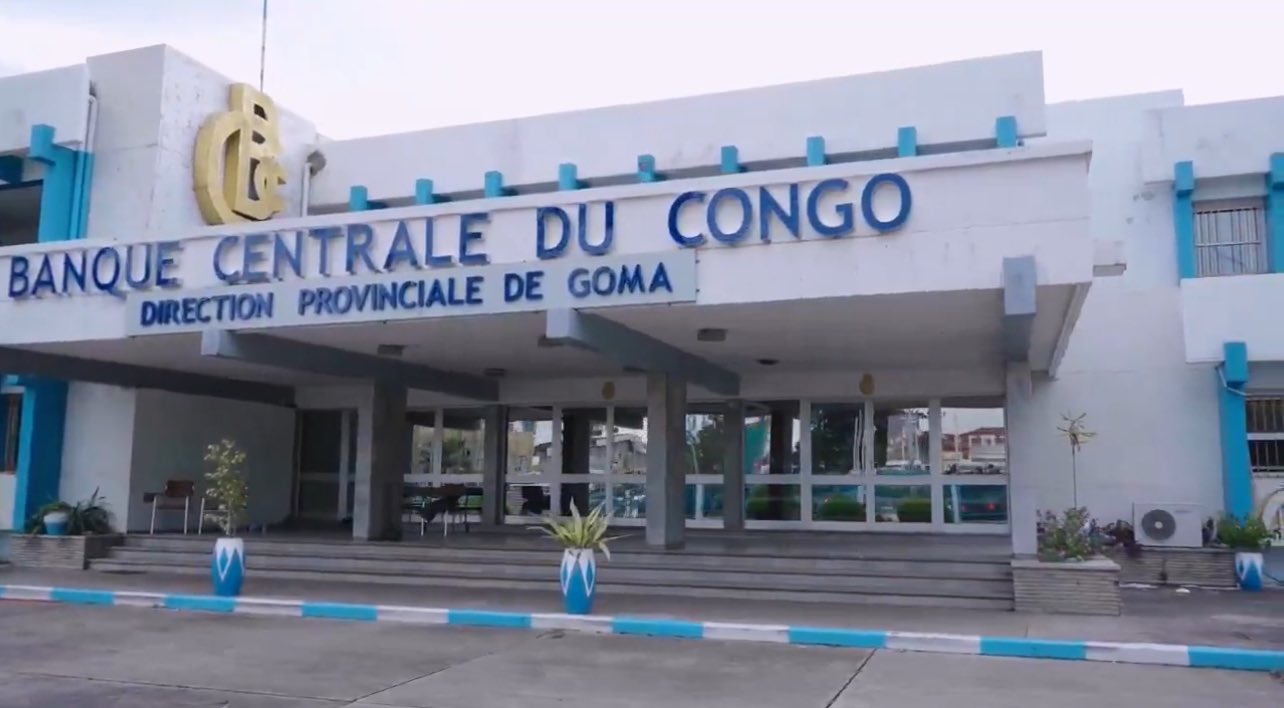
Yet inside rebel-held territory, the focus is on survival. Banking services have collapsed. With branches shuttered and vaults sealed, many residents now travel hundreds of kilometers just to access cash from government-controlled areas or neighboring Rwanda. Mobile money transfers come with hefty fees.
Rebel leaders recently reopened branches of Congo’s state savings bank, urging people to ‘dream again’ and relaunch business. But experts warn that without access to national or international banking systems, these branches are little more than symbolic.
In the meantime, the rebels are rolling out an extensive tax system. A leaked 562-page tax code obtained by SNEWS TV outlines a range of levies on businesses and aid groups—trapping them between demands from Kinshasa and M23’s own collection agents.
‘We don’t have a choice,’ one Goma importer told us. ‘When they show up at your door, you can’t turn them away. You have to work with both sides.’
Women selling cloth in Goma’s market say daily fees have doubled. Charcoal traders report paying up to 25% of their goods’ value in taxes. ‘If you don’t pay,’ one vendor warned, ‘you risk being beaten.’
Meanwhile, mining continues despite official bans. A government source estimates that Rubaya’s coltan mines generate up to $3 million monthly, netting M23 up to $450,000 in taxes each month. Similar levies are being imposed on gold and tin mining operations.
With advances stalling, international mediators—led by Qatar and the U.S.—are now pushing for a peace deal between Congo and Rwanda, aiming to unlock billions in investment if an agreement is signed within two months.
But as one financial expert told SNEWS TV, M23 faces the same dilemma as the government it seeks to topple: Y09ou can’t run an administration without money.’
For now, the future of eastern Congo—and the lives of millions trapped in the middle—hangs in the balance.
Stay with SNEWS TV for continuing coverage of this developing story.