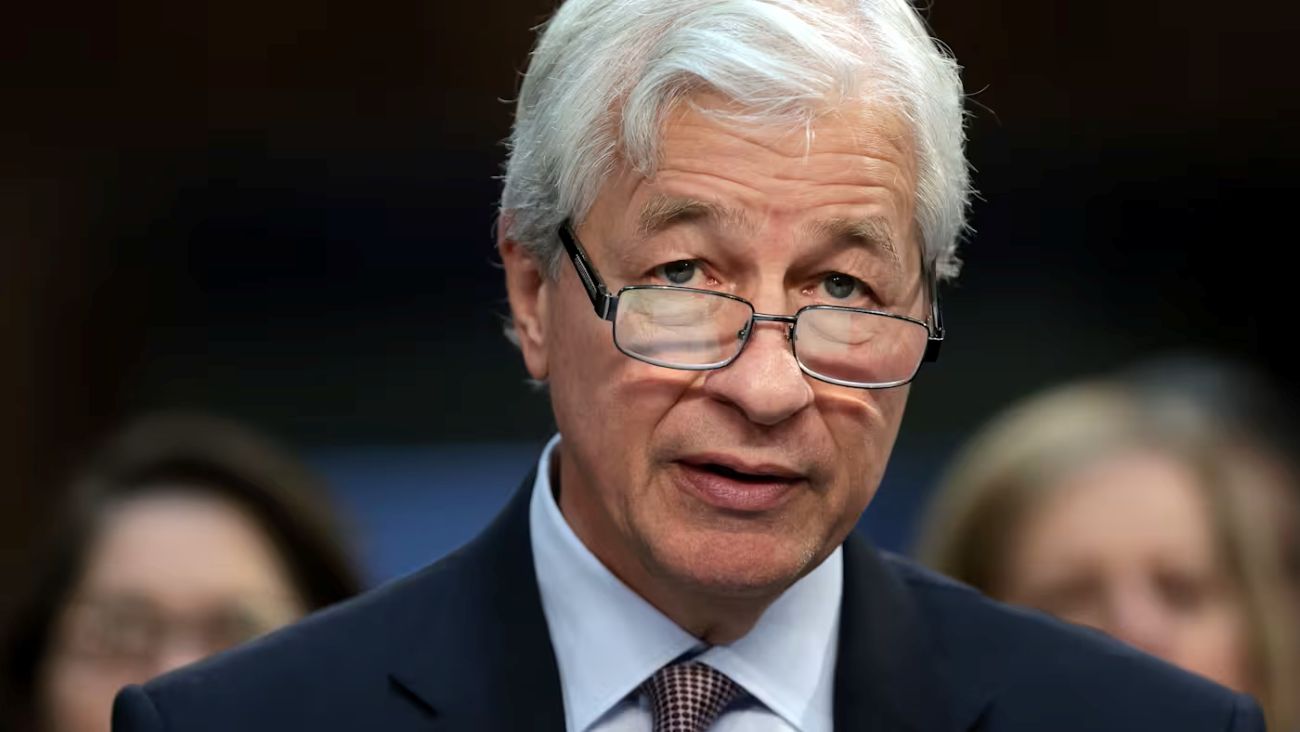
JPMorgan Chase CEO Jamie Dimon has issued a stark warning to the Trump administration, cautioning that continued attacks on the Federal Reserve could backfire — driving inflation higher and pushing up borrowing costs for consumers and businesses.
Speaking during a call with reporters following JPMorgan’s fourth-quarter earnings release, Dimon emphasized his strong support for the independence of the U.S. central bank and expressed deep respect for Federal Reserve Chair Jerome Powell. He warned that any effort to undermine the Fed’s autonomy could unsettle financial markets.
Dimon said weakening confidence in the Federal Reserve would likely have the opposite effect of what policymakers intend, raising inflation expectations and ultimately leading to higher interest rates over time.
His comments come just days after Chair Powell confirmed he is the subject of a criminal investigation by the Department of Justice, a move ordered under President Donald Trump. The president later defended his actions, saying he believes interest rates should be lower and suggesting that Dimon benefits financially from higher rates.
The controversy has sparked widespread concern among global financial leaders. Central bank chiefs from around the world, including European Central Bank President Christine Lagarde and Bank of England Governor Andrew Bailey, issued a joint statement expressing full support for Powell. They warned that central bank independence is a cornerstone of economic stability and essential to controlling inflation and safeguarding financial systems.
Dimon’s concerns were echoed by JPMorgan Chief Financial Officer Jeremy Barnum, who said the broader risk is long-term damage to the U.S. economy and global financial stability. Similar warnings came from other banking leaders, including BNY Mellon CEO Robin Vince, who cautioned that questioning the Fed’s role could rattle bond markets and push interest rates higher — directly undermining efforts to improve affordability.
Despite the political tensions, Dimon struck an optimistic tone on the overall state of the U.S. economy, saying it remains resilient. He noted that while the labor market has softened, conditions do not appear to be deteriorating significantly.
JPMorgan’s financial results, however, showed mixed performance. The bank reported fourth-quarter net income of $13 billion, slightly above analyst expectations but down 7 percent from a year earlier. Investment banking revenues fell short of forecasts, with fees declining five percent amid weaker-than-expected dealmaking activity. In contrast, trading operations performed strongly, with equities trading revenues surging nearly 40 percent and fixed-income trading also posting solid gains.
The bank also set aside billions of dollars in reserves for potential credit losses, including provisions linked to its takeover of Apple’s credit card portfolio. Barnum warned that President Trump’s proposal to cap credit card interest rates at 10 percent could reduce access to credit for consumers and said JPMorgan would not rule out legal action if regulations are imposed without sufficient justification.
For the full year, JPMorgan reported $57 billion in net income — slightly lower than last year but marking a second consecutive year of generating more than $1 billion in profit per week. Shares of the bank closed down more than four percent following the earnings announcement.
As political pressure on the Federal Reserve intensifies, Dimon’s message is clear: undermining central bank independence, he warns, could carry serious economic consequences.
Reporting by Noko David