Tensions rise in West Africa as a major electoral controversy unfolds just months before a crucial presidential vote in the Ivory Coast. In a move that has sent shockwaves through the political landscape, four major opposition figures have been barred from participating in the country’s upcoming October 25 presidential election. The announcement came from the Independent Electoral Commission, or CEI, confirming that these candidates’ names will not appear on the final voter roll — effectively ending their bids for the presidency and reviving fears of renewed political instability in a country long haunted by civil strife.
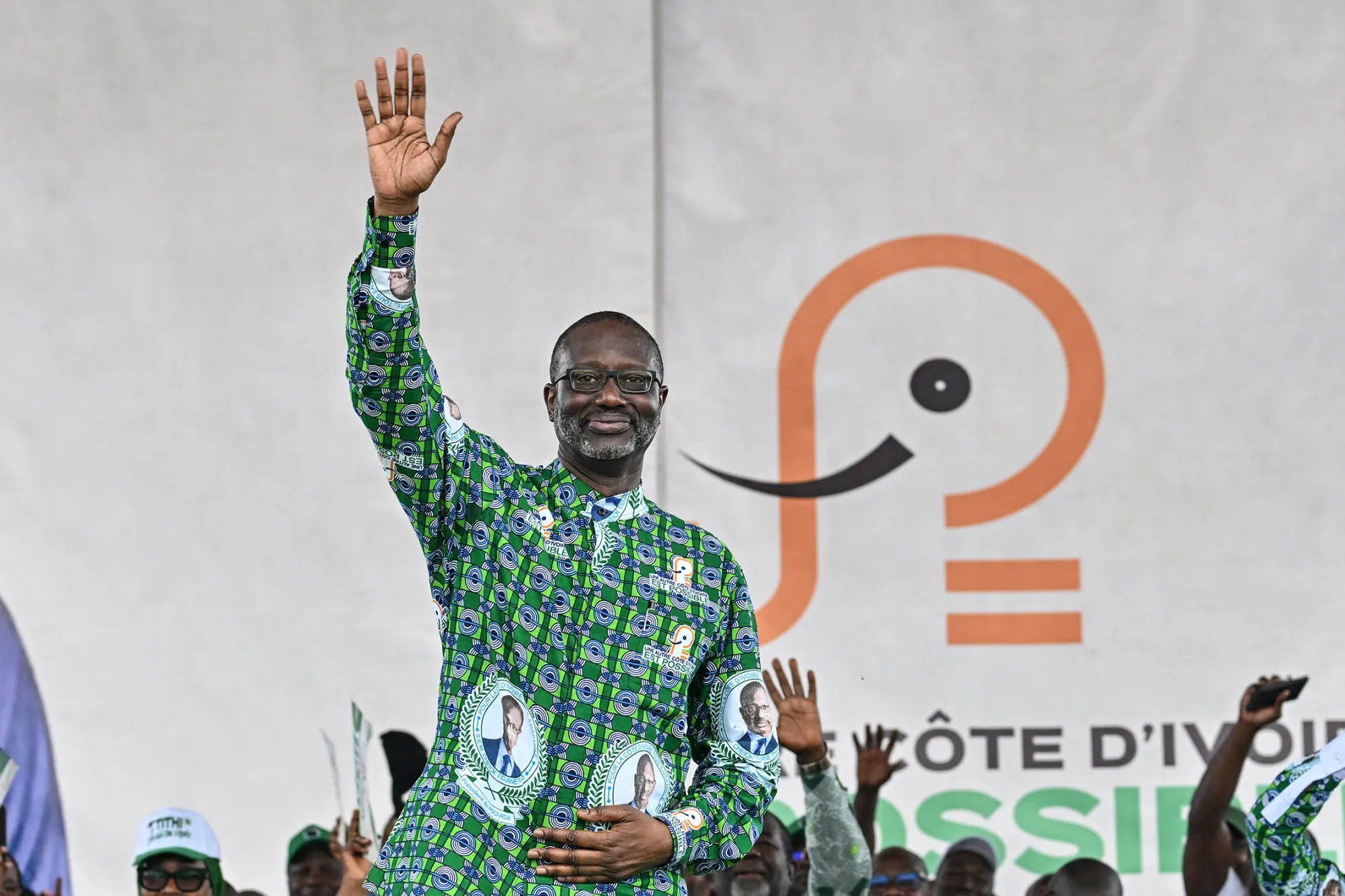
Among those disqualified is Tidjane Thiam, leader of the main opposition party, the Democratic Party of the Ivory Coast (PDCI). Thiam, widely viewed as the top challenger to longtime President Alassane Ouattara, denounced his removal from the electoral list as “a clear sign of the Ivory Coast’s democratic decline.” The CEI’s decision came despite Thiam having renounced his French citizenship earlier this year — a move he hoped would satisfy eligibility requirements. A court had previously ruled that his dual nationality made him ineligible to run.
Also barred are former President Laurent Gbagbo, his political ally Charles Blé Goudé, and former rebel leader Guillaume Soro, who was sentenced in absentia to life in prison over coup-related charges. None of these high-profile figures will be allowed to run or even vote in this year’s election.
The CEI’s head, Ibrahime Kuibiert Coulibaly, confirmed this week that no revision of the electoral register would take place before the vote, a sharp break from the process followed during the last election in 2020.
Meanwhile, President Alassane Ouattara, in power since 2011 and already a three-term leader, is on the register and eligible to run but has yet to formally announce his intentions. In past elections, Ouattara secured landslide victories with over 80% of the vote. If he decides to seek a fourth term, the field of viable challengers may be significantly narrowed.
Thiam’s legal team has filed an appeal with the United Nations Human Rights Committee, calling the disqualification a breach of the Ivory Coast’s international obligations. Thiam’s attorney described the move as a “serious violation” of his political rights.
From the camp of former President Gbagbo, the response was just as pointed. His party, the African People’s Party – Ivory Coast, accused the authorities of ignoring calls for dialogue and “forcing their way through” the electoral process.
Despite the high-profile exclusions, other opposition candidates including former First Lady Simone Ehivet Gbagbo have been approved to run. Speaking on behalf of an opposition coalition, she criticized the overall conditions surrounding the election, warning they were not conducive to a peaceful and fair process.
This year’s electoral list includes approximately 8.7 million registered voters in a nation of 30 million, where nearly half the population is under 18 and ineligible to vote. With a large immigrant population and lingering political divisions, the exclusion of key opposition voices has raised alarm among rights groups and observers.
While the Ivory Coast’s government denies political interference and insists all decisions were made independently by the judiciary, opposition leaders and civil society groups are calling for urgent reforms to avoid a repeat of past unrest.
With less than five months until the vote, the country now faces rising uncertainty and growing fears that the electoral process may reignite old wounds.
We will continue to follow this story closely.