Tensions in the Middle East have reached a dangerous new level, as Israel expands its military campaign against Iran—this time targeting critical energy infrastructure.
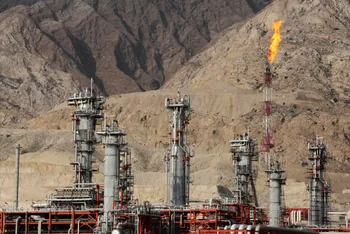
For the first time in the long-standing conflict, Israel has struck the world’s largest gas field. According to Iranian media, drones hit the South Pars Gas Field in southern Iran—an essential facility shared with Qatar, where it is known as the North Dome. The specific target: Phase 14 of the site, where a refinery unit was reportedly set ablaze. Operations have been halted.
Video circulating on social media and news platforms shows flames and heavy smoke billowing from the complex, located in Iran’s coastal Bushehr Province. The Iranian Petroleum Ministry confirmed the strikes and reported additional damage to the Fajr Jam Gas Refining Company.
As of now, Israel’s military—the Israel Defense Forces—has not publicly commented on the attack. However, Fox News cited an Israeli source claiming the strike was meant as a direct warning to Tehran not to escalate further by attacking Israeli cities.
Experts say the move represents a significant escalation in the conflict. Gregory Brew, an energy analyst at Eurasia Group, described the strike as a “warning shot”—suggesting that Israel is prepared to inflict deeper damage on Iran’s vital energy sector if Iranian aggression continues.
Meanwhile, Nader Itayim, a Middle East energy editor at Argus Media, said this marks a shift in the conflict, with energy infrastructure—previously spared—now becoming a battlefield target. Though immediate disruptions may be limited, the symbolic value and threat of escalation are profound.
In response, Iran has launched its own counteroffensive, dubbed Operation True Promise III. According to Tehran, waves of missiles and drones have hit multiple Israeli military installations. Iran claims dozens of casualties and serious damage, while the IDF reports most attacks were intercepted.
Among those killed in Israel’s offensive, according to Iranian state sources, are top military officials and nuclear scientists, including IRGC chief Major General Hossein Salami and Aerospace Commander Amir Ali Hajizadeh. Iran’s ambassador to the UN stated that 78 Iranians—mostly civilians—have been killed and more than 300 injured so far.
Israel’s campaign, now named Operation Rising Lion, continues to unfold, with targets reportedly including nuclear research facilities and fuel tankers in Tehran.
The international response is growing. Regional powers like Saudi Arabia, the UAE, Bahrain, and Qatar have condemned Israel’s actions. Iranian President Masoud Pezeshkian held talks with Saudi Crown Prince Mohammed bin Salman on Saturday, blaming Israel for destabilizing the region and obstructing diplomatic efforts.
The conflict has now derailed scheduled nuclear negotiations. Iran announced it will no longer attend a sixth round of talks in Oman, a process previously aimed at reducing nuclear tensions. The Omani Foreign Ministry confirmed the talks’ cancellation.
Meanwhile, former U.S. President Donald Trump—who had previously urged caution—now voices support for Israel’s actions. Trump had given Iran a 60-day deadline to return to the negotiating table, a deadline that expired with no agreement.
With military strikes intensifying and diplomacy collapsing, global markets and energy analysts are on high alert. The fear now: that this regional conflict could spill over, drawing in third-party nations and further endangering global energy security.
We will continue to bring you updates as this story develops.
Reporting by Carl Montel.