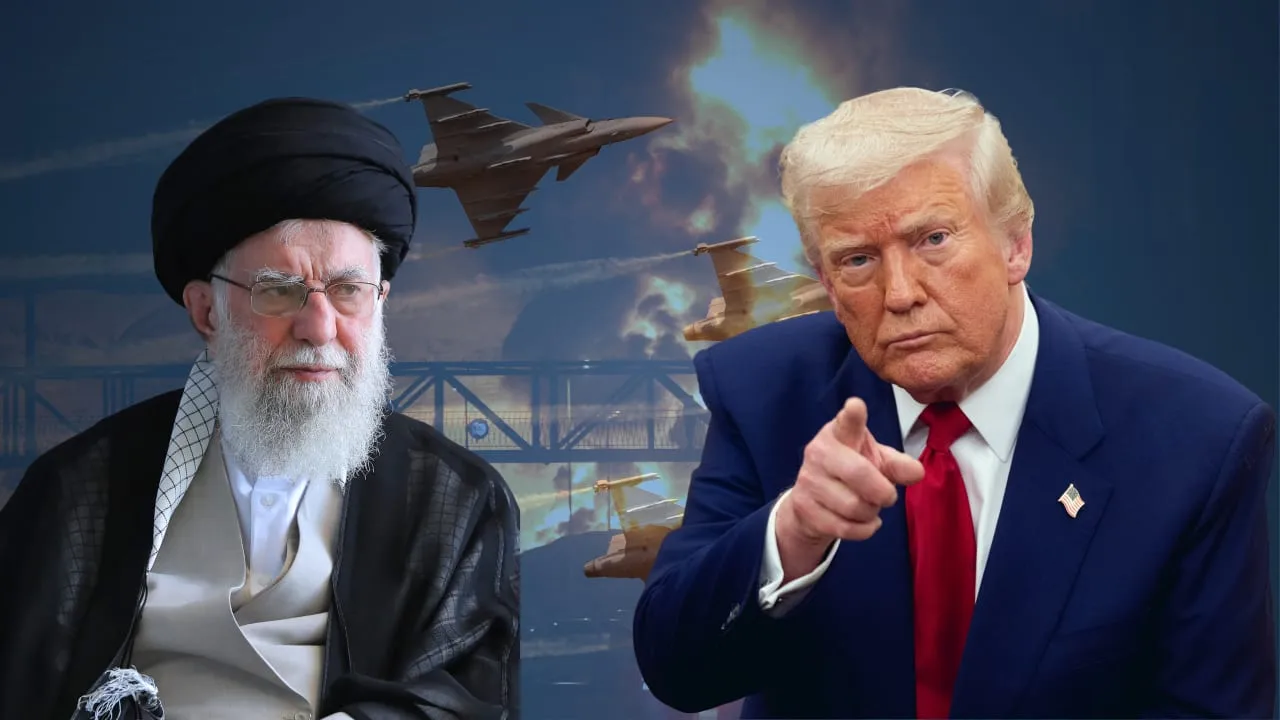
As the Middle East spirals further into chaos, Iran’s Supreme Leader Ayatollah Ali Khamenei has rejected U.S. President Donald Trump’s demand for unconditional surrender—defiantly vowing to resist American pressure even as missiles rain down on Tehran and Tel Aviv.
In his first public remarks since Israeli airstrikes escalated late last week, the 86-year-old leader delivered a televised speech warning that any U.S. military intervention would come at a devastating cost.
“Those who understand Iran and its history know that the Iranian nation does not yield to threats,” Khamenei declared.
“Any American attack will bring irreparable consequences.”
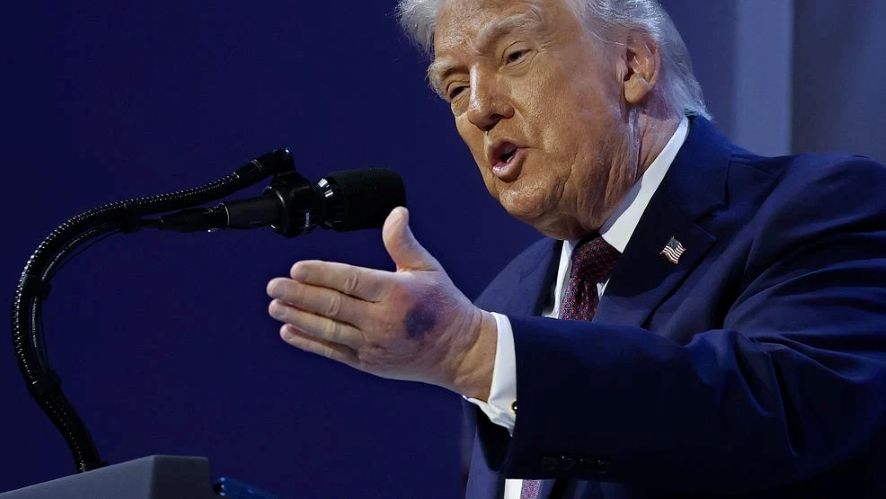
The statement came just hours after President Trump took to social media, stating bluntly:
“We know exactly where the so-called ‘Supreme Leader’ is hiding. We are not going to take him out… at least not for now. UNCONDITIONAL SURRENDER!”
According to officials familiar with U.S. national security discussions, the Trump administration is seriously considering joining Israeli airstrikes, with potential targets including Iran’s heavily fortified Fordow nuclear facility. The move would mark a dramatic escalation of the conflict—and one that could ignite a full-scale regional war.
The Israeli military confirmed it carried out more than 50 airstrikes on strategic locations in and around Tehran overnight, including facilities tied to missile production. Warnings were issued for civilians to evacuate parts of the capital, triggering a mass exodus. Highways leading out of the city were jammed as residents fled.
One evacuee, Arezou, 31, told SNEWS TV: “My friend’s house in Tehran was hit. Her brother was injured. We’re civilians. Why are we paying for the regime’s nuclear ambitions?”
On the Israeli side, the threat of Iranian retaliation is now materializing. Over the past five days, Iran has launched approximately 400 missiles into Israeli territory—40 of which managed to penetrate air defenses. At least 24 civilians have been killed. Explosions were heard across Tel Aviv early Wednesday as two missile barrages struck within hours.
Tamar Weiss, holding her infant daughter inside a makeshift shelter, told SNEWS TV:
“I feel terrified. We live in an old building with no shelter. I don’t know how long we can survive this.”
Meanwhile, Iranian officials report at least 224 deaths from the Israeli strikes so far, though that figure has not been updated in recent days. Among the dead are several high-ranking members of Khamenei’s inner circle, raising fears in Western intelligence circles that the Supreme Leader may now be making decisions with fewer seasoned advisers around him.
In a sign of mounting desperation, Iran has hinted it may try to disrupt global oil shipments by restricting access to the Strait of Hormuz, a vital artery for world energy supplies. A former economy minister suggested Tehran should begin requiring clearance for tankers passing through the strait—though no official orders have been issued.
Inside Iran, the government is tightening control over public information. A ban on filming destruction has been implemented, and fuel purchases are now being rationed to avoid panic. Despite the escalating violence, authorities are trying to maintain public calm.
As both sides exchange increasingly deadly strikes, diplomatic options are rapidly vanishing. Russia’s foreign ministry warned today the world is “millimeters away from catastrophe.” Germany’s top diplomat urged Iran to provide clear proof that it is not pursuing a nuclear weapon and return to negotiations.
But as President Trump weighs direct U.S. involvement, and Iran threatens open retaliation, the stakes could not be higher. For now, the United States has confined its role to supporting Israel’s defense systems—helping intercept incoming missiles—but officials acknowledge that could change in a matter of hours.
The region stands on a razor’s edge tonight, with millions of lives hanging in the balance. We will continue bringing you verified updates around the clock.
Reporting by Carl Montel.