The Middle East is reeling tonight after an intense exchange of deadly airstrikes between Israel and Iran, leaving a trail of devastation and sparking global concern.
Israel’s Operation Rising Lion, a sweeping military campaign targeting Tehran’s nuclear and defense infrastructure, has triggered a violent retaliation by Iran, whose missile barrage has killed at least 13 civilians in Israel and wounded over 200 others.
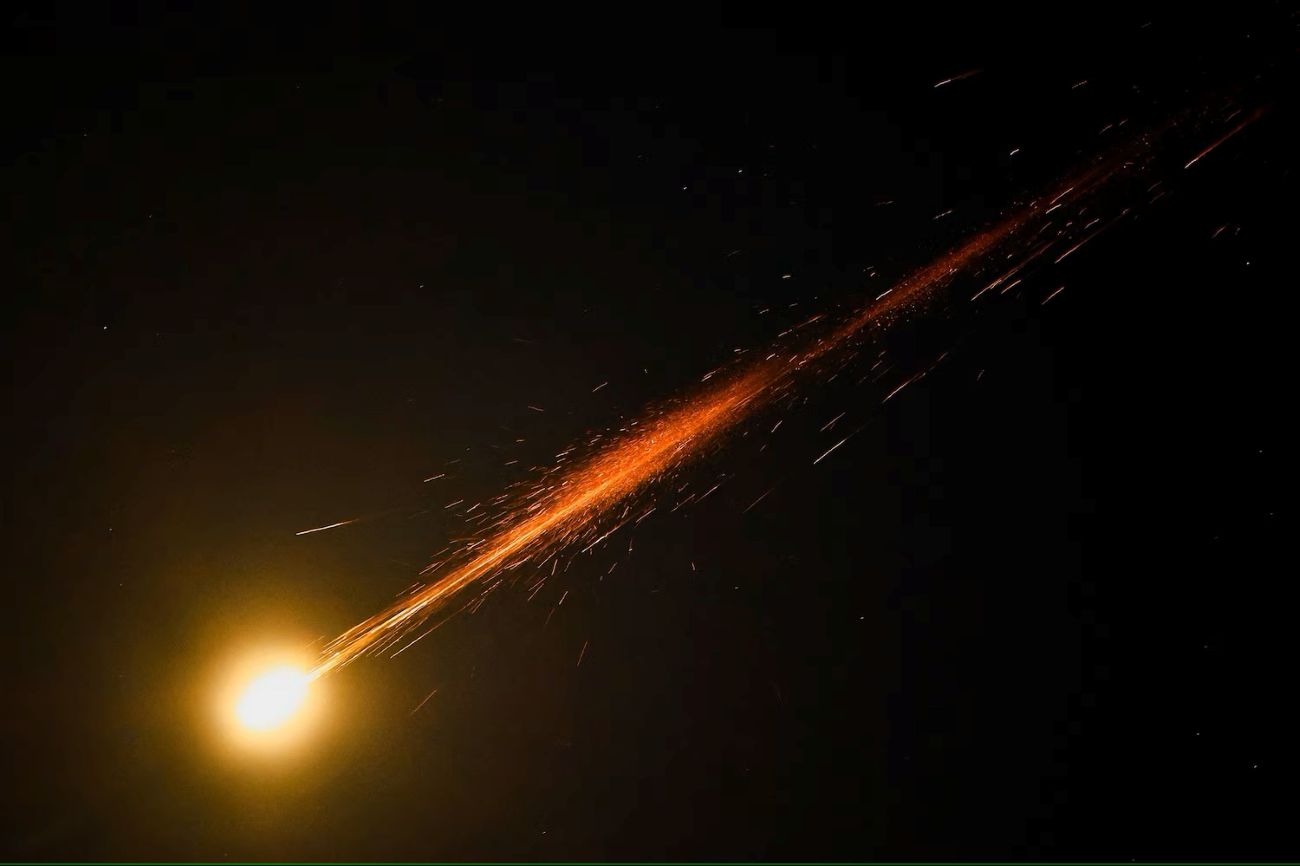
Residents in Israel’s major cities scrambled for shelter today as air raid sirens blared across the skyline. Interceptor missiles lit up the skies, working to fend off incoming Iranian projectiles. In northern Israel, emergency services rushed to burning buildings and collapsed homes. First responders with Magen David Adom — Israel’s national emergency and ambulance service — were seen treating the wounded in the aftermath of Tehran’s heaviest assault to date.
The Iranian strikes came in direct response to Israel’s unprecedented attack on strategic targets in Iran, including Tehran’s Ministry of Defense and critical nuclear research facilities. The Israeli Defense Forces claim more than 170 sites have been struck and over 720 military assets neutralized in the past 72 hours.
Iranian state media confirmed the death of Ali Shamkhani, a top military strategist and longtime adviser to Supreme Leader Ayatollah Khamenei. Shamkhani was killed in an Israeli airstrike on his home in Tehran. The loss marks a major blow to Iran’s command structure.
In a televised statement, Israeli Prime Minister Benjamin Netanyahu revealed that a missile launched by Iran came dangerously close to his personal residence, saying, “They sent a missile through my bedroom window.”
Netanyahu accused Iran of attempting to destroy both Israel and the United States’ presence in the region, calling former President Trump and the Israeli state “the two biggest obstacles” to Iran’s ambitions.
Meanwhile, former President Donald Trump has come under scrutiny after reportedly blocking an Israeli proposal to assassinate Iran’s Supreme Leader. According to U.S. officials, Trump told Israeli leaders that until an American was killed, such an escalation was off the table. Trump later confirmed in interviews that the U.S. had no role in Israel’s offensive, but warned Tehran: “If we are attacked, the full might of the U.S. Armed Forces will respond.”
The White House has not authorized offensive operations, but American military assets have been bolstering Israel’s air defenses. Trump continues to promote a potential peace deal, comparing the current tensions to past agreements he brokered in South Asia and the Balkans.
Back in Israel, the civilian toll continues to rise. Israeli President Isaac Herzog called today “a very sad and difficult morning,” mourning victims from communities including Bat Yam and Tamra, where Iranian missiles struck residential areas. Jews and Arabs, men, women, and children have all been affected.
Israeli authorities have instructed all citizens to remain close to protected spaces, as airstrike alerts continue across the country. Meanwhile, airspace remains closed, and dozens are still unaccounted for.
In neighboring Iraq, the U.S. Embassy in Baghdad has issued a high-level security warning for American citizens, citing elevated threats of terrorism and anti-American violence. Embassy staff in Jerusalem have also been instructed to shelter in place indefinitely.
In Washington, Senator Rand Paul called for caution, criticizing fellow lawmakers pushing for deeper U.S. involvement in the conflict. Paul urged Trump to resist pressure to escalate militarily, warning that entering another Middle Eastern war would be catastrophic.
As the world watches this dangerous standoff, diplomatic back-channels remain open — but the missiles continue to fly. Both nations have promised more action. What comes next could reshape the future of the region.
We will bring you updates as this high-stakes crisis unfolds.
Reporting by Carl Montel.