
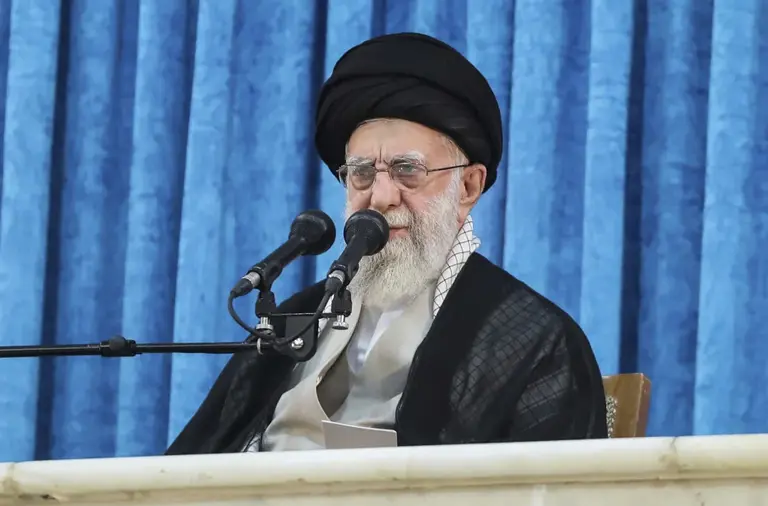
As the conflict between Israel and Iran deepens, Tehran is now taking significant steps to shield its top officials from potential cyber and electronic attacks. In a sweeping new directive, Iranian authorities have ordered all high-ranking personnel and their security teams to immediately cease using any digital devices connected to telecommunications networks.
The restriction—announced by state media—applies to mobile phones, laptops, and even smartwatches. Sources say the move stems from fears that Israel may be tracking Iranian officials through their digital footprints. Intelligence experts suggest that a high-tech Israeli cyber offensive may be underway, targeting Iranian infrastructure and communications.
While Iran’s cybersecurity units claim to have successfully fended off recent Israeli digital intrusions, the warning signals a growing concern over potential precision strikes made possible by cyber surveillance.
Meanwhile, internet access across Iran has become increasingly unstable. After Israel’s initial strike—one that reportedly killed several senior military commanders and nuclear scientists—Tehran drastically restricted its citizens’ access to the internet. According to independent monitoring group NetBlocks, internet traffic in Iran plunged again this Tuesday following a brief rebound, creating major barriers to information flow for the Iranian public.
The Iranian Ministry of Information has acknowledged the blackout, attributing the disruptions to what it calls “special conditions in the country.” Officials have even urged citizens to delete popular messaging apps like WhatsApp and warned that landline phones can no longer make or receive international calls.
Adding to the digital standoff, billionaire entrepreneur Elon Musk announced that his Starlink satellite internet service is now actively “beaming” signals to Iran, in an effort to provide uncensored internet to civilians. However, the Starlink terminals are banned under Iranian law, costly, and could lead to serious legal consequences for users caught with them.
On the geopolitical front, uncertainty still surrounds the safety of Iran’s Supreme Leader, Ayatollah Ali Khamenei. While Israeli intelligence reportedly considered a plan to eliminate him, President Donald Trump has publicly opposed the idea. Prime Minister Netanyahu has declined to confirm or deny whether such a plan was ever seriously discussed.
In a recent Truth Social post, President Trump stated, “We know exactly where the so-called ‘Supreme Leader’ is hiding… but we are not going to take him out — at least not for now.” He added, “Our patience is wearing thin,” a signal that the U.S. may be inching toward a tougher stance.
With both cyber and physical fronts heating up, the situation remains volatile—and the world is watching.
We will continue to bring you breaking developments as they unfold.
Reporting by Carl Montel.