
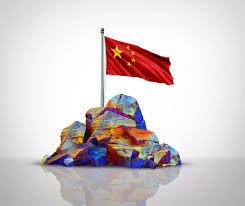
Reporting today on an unfolding global trade story that reveals how U.S. companies may be bypassing China’s mineral export bans through indirect routes and the shadowy supply chains emerging in response.
Since Beijing imposed a ban on December 3rd restricting exports of key critical minerals’ antimony, gallium, and germanium to the United States, trade records now show a dramatic increase in shipments of these materials to the U.S. from countries like Thailand and Mexico. These nations, until recently, played only a minor role in the mineral trade. But the latest shipping data suggests otherwise—and there’s growing evidence that Chinese-owned firms are still deeply involved.
Among them: Thai Unipet Industries, a Thailand-based subsidiary of China’s Youngsun Chemicals. According to shipping documents reviewed by SNEWS, Unipet shipped over 3,300 metric tons of antimony products to U.S. buyers between December and May—a staggering 27-fold increase compared to the same period last year.
Interestingly, Unipet’s U.S. customer is Texas-based Youngsun & Essen, a company that previously sourced most of its antimony from China. Neither company responded to inquiries about these shipments. And while the trade records don’t confirm where the raw minerals originated, experts say the routing patterns point to re-exports that are effectively circumventing Chinese export restrictions.
Industry insiders say this transshipment model, using third countries as go-betweens—is widespread. One executive, Levi Parker, CEO of Gallant Metals, explained how his company still receives shipments of gallium from China. The materials are relabeled as iron, zinc, or even art supplies, and routed through a third Asian country before entering the U.S.
“It’s not cheap, and it’s not risk-free,” Parker told Reuters. “But it works—if you’re careful.”
Trade analysts confirm that these rerouted flows have kept U.S. imports on pace to meet or exceed pre-ban levels, albeit at a higher price point.
According to Ram Ben Tzion, CEO of the shipment data platform Publican, “The trade patterns are consistent with transshipment activity.” He added that Chinese companies have become “highly creative” in skirting international regulations.
This trend hasn’t gone unnoticed in Beijing. In May, China’s Ministry of Commerce acknowledged that “overseas entities” were cooperating with domestic lawbreakers to evade the export ban—calling the issue a national security threat. China has since launched a crackdown, with stiff penalties including export bans and possible jail terms for offenders.
Legal experts, like James Hsiao of White & Case, say the law gives China power to prosecute sellers even if the transactions occur abroad, especially if due diligence on end users isn’t performed. However, strong demand and sky-high mineral prices overseas continue to entice sellers willing to take the risk.
Meanwhile, U.S. laws don’t prohibit purchasing Chinese-origin antimony, gallium, or germanium—as long as those materials don’t come directly from China. That legal gray zone has become fertile ground for this evolving mineral supply network.
Back in Washington, neither the U.S. Commerce Department nor officials from Thailand and Mexico have publicly commented on the trade routes or potential violations of China’s restrictions.
As China and the United States battle for dominance in high-tech manufacturing and defense technologies, the race for control over critical minerals is heating up—and tonight’s revelations show just how complex, and covert, that race has become.
We will continue to track these shifting global supply chains and bring you updates as the story unfolds.
Reporting by Katy Moore.