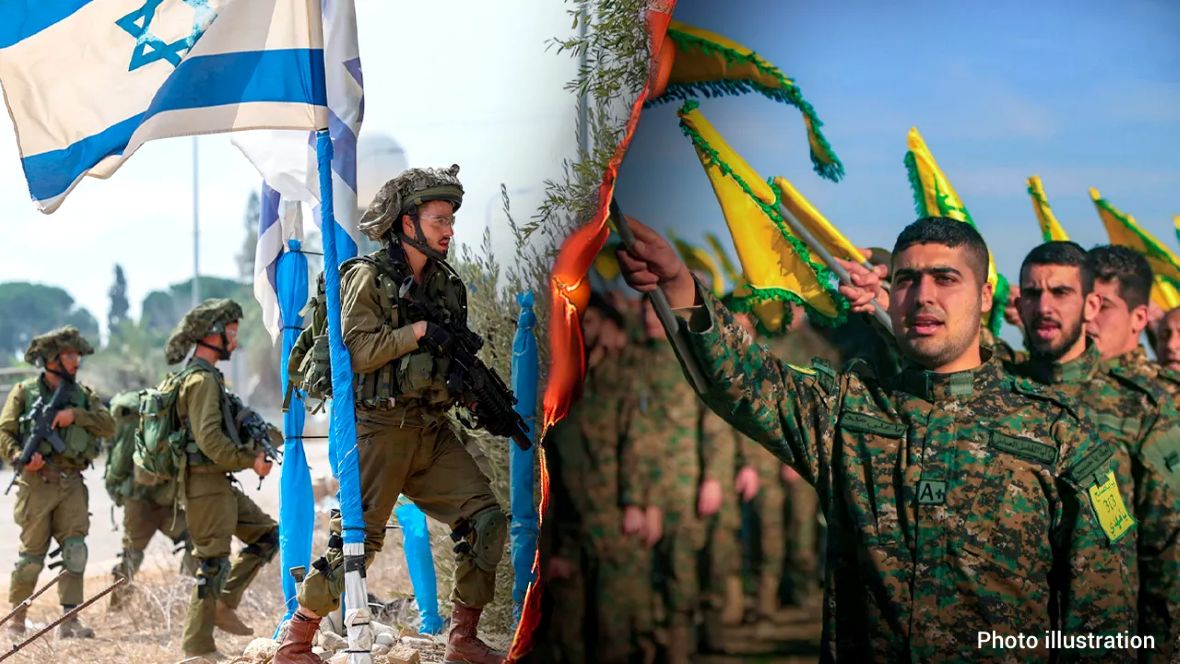
We examine the fragile state of ceasefires between Israel and two of its most formidable adversaries — Hamas in Gaza and Hezbollah in Lebanon — as tensions flare and military strikes continue despite ongoing agreements.
This week, Israeli forces launched airstrikes in both Gaza and southern Lebanon, resulting in dozens of casualties. In Gaza, around two dozen people were killed after Israeli troops came under fire near Khan Younis. Meanwhile, strikes on a refugee camp in southern Lebanon killed about a dozen, with Israel accusing Hamas militants operating in Lebanon of launching attacks — claims Hamas denies.
These recent clashes raise serious questions about how well the ceasefires are holding. The Israel-Hamas truce took effect just over a month ago, while the Israel-Hezbollah agreement has been in place for about a year. Both deals call for Israeli withdrawal from contested areas in exchange for disarmament commitments from Hamas and Hezbollah south of the Litani River.
Defense expert Rosemary Kelanic notes that Israel appears to be pushing its strategic objectives aggressively across the region. Despite ceasefires, Israel reportedly continues military operations with little concern about backlash from the United States.
In Lebanon, the conflict between Israel and Hezbollah has simmered since the deadly Hamas attack on Israel in October 2023. The two sides exchanged rocket fire and missile strikes for nearly a year before Israel intensified its ground campaign targeting Hezbollah’s weapons caches. Last September, Israel assassinated Hezbollah’s Secretary-General Hassan Nasrallah, a move that further heightened tensions.
U.S. Ambassador Tom Barrack has stated that Israel continues to bomb southern Lebanon to neutralize thousands of rockets threatening its borders. He added that forcing Lebanon to disarm Hezbollah, a significant political force within the Lebanese government, could destabilize the country and possibly spark civil conflict.
Analysts explain that Hezbollah’s influence has hindered Lebanon’s army from disarming the group, frustrating Israel and prompting continued military strikes.
Turning to Gaza, the ceasefire has mostly held since its inception last month, allowing partial Israeli withdrawal and the return of Palestinians to northern areas. However, Hamas has not agreed to disarm, keeping a critical roadblock to lasting peace.
The United Nations Security Council recently endorsed a 20-point ceasefire plan put forth by U.S. President Donald Trump, but this plan does not address two key sticking points: Hamas’s disarmament and the broader issue of Palestinian statehood, which remains vital to securing Arab nations’ support for peace.
The humanitarian toll in Gaza remains devastating. The war has reduced much of the territory to rubble and displaced thousands, with the Gaza Health Ministry reporting over 60,000 deaths, a figure that includes both civilians and combatants.
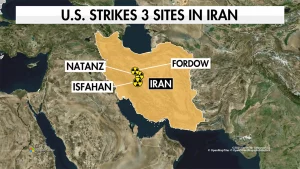
Meanwhile, Iran continues to play a crucial role in the regional conflict by supplying militant groups such as Hamas and Hezbollah through its so-called “Axis of Resistance.” Though Tehran refrained from direct military attacks on Israel before October 7, recent months have seen intense aerial clashes between Iran and Israel. In June, the U.S. joined Israel in a mission targeting Iran’s nuclear facilities, ending in a fragile ceasefire after 12 days.
Iranian Foreign Minister Abbas Araghchi recently told the Economist that while Iran does not seek war, it has significantly strengthened its missile capabilities and remains prepared for future conflict.
As winter approaches, the fragile ceasefires face not only political and military challenges but also a looming humanitarian crisis in Gaza, where cold and disease threaten an already devastated population.
The question remains: How long will these ceasefires hold, and what will it take to achieve lasting peace in one of the world’s most volatile regions?
We will continue to follow developments closely here at SNEWS TV.
Reported by Carl Montel.