We are tracking a major military development with far-reaching global consequences—U.S. airstrikes on Iran’s nuclear infrastructure and the looming question: How much will this disrupt Iran’s nuclear timeline?
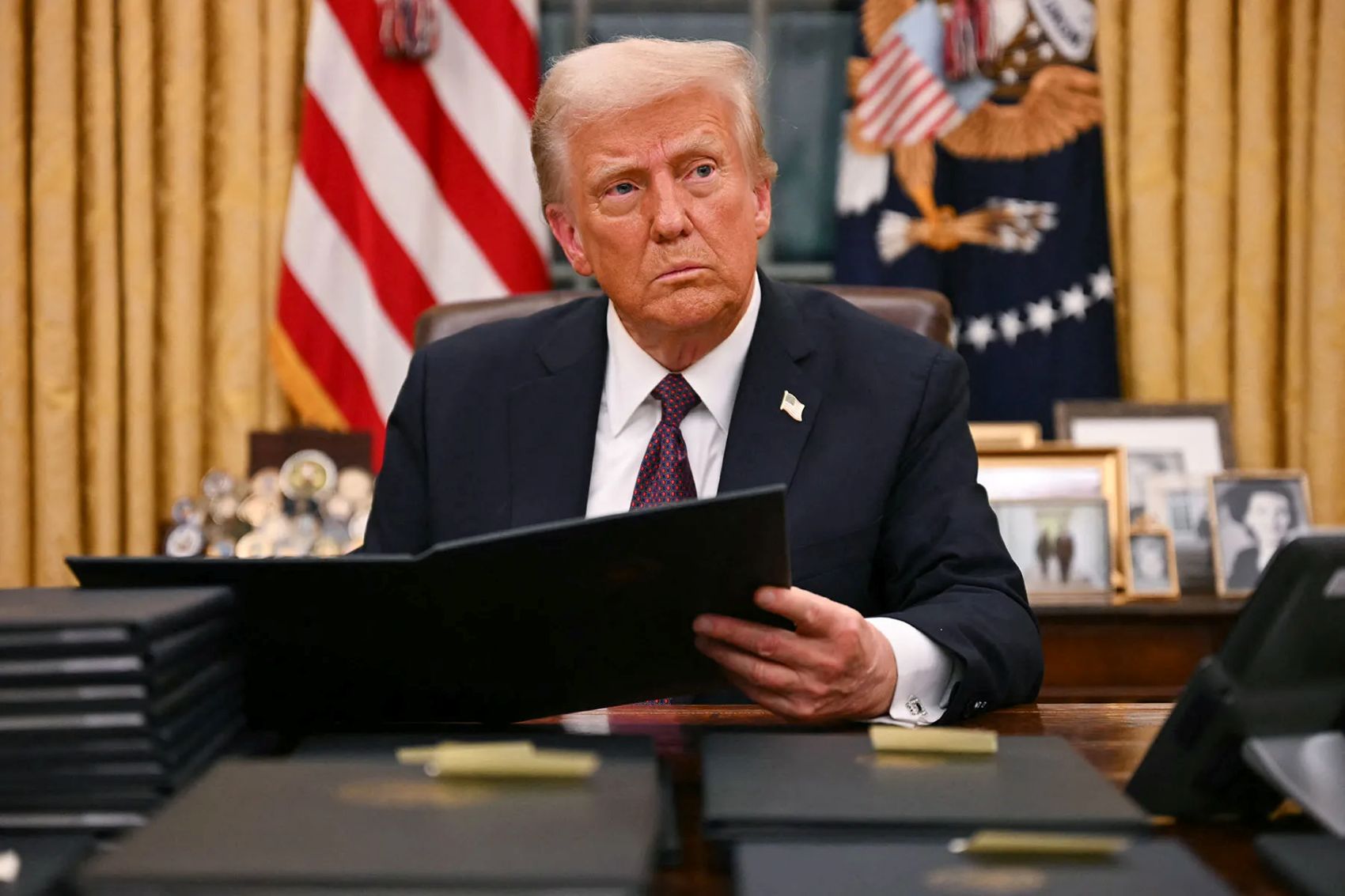
In a bold and highly coordinated operation early Sunday, U.S. forces launched a surprise assault on three of Iran’s most critical nuclear facilities—Fordow, Natanz, and Isfahan. President Donald Trump addressed the nation shortly after, declaring the strikes a “spectacular success,” claiming the targets were “completely and totally obliterated.” The move significantly escalates U.S. involvement in Israel’s ongoing war with Iran, and marks a dramatic turning point in the region’s military dynamics.
The U.S. mission, involving stealth bombers and submarine-launched Tomahawk missiles, targeted key enrichment facilities believed to house advanced centrifuges and enriched uranium stockpiles. Fordow—an underground bunker near Qom—was struck with 14 Massive Ordnance Penetrators, the most powerful “bunker-buster” bombs in America’s arsenal. Natanz, long regarded as Iran’s primary enrichment center, and Isfahan, an atomic research hub, were also heavily targeted.
So, what was the damage?
According to U.S. military officials, the strikes hit their intended marks with precision. However, Iranian authorities dispute the extent of the destruction. Iranian state television claimed the sites were evacuated in advance and that key nuclear materials had been removed. They insist that radiation levels remain stable and that no contamination has been detected.
Meanwhile, international nuclear watchdog IAEA confirmed that it has observed no increase in off-site radiation, supporting claims that Iran may have moved its enriched uranium stockpiles ahead of time. Experts like Trita Parsi from the Quincy Institute believe Tehran was anticipating the strikes and had made contingency plans to safeguard its nuclear assets.
Iranian Foreign Minister Abbas Araghchi, speaking from Istanbul, condemned the U.S. attack, declaring diplomacy dead and accusing Washington of lawless aggression. “The warmongering administration in Washington is fully responsible for the consequences,” Araghchi said.
The Strategic Implications:
While the U.S. claims the facilities are now crippled, analysts caution that the bigger threat remains untouched: Iran’s enriched uranium stockpile. As long as this material is intact, Iran retains the capability to potentially rebuild or continue its nuclear ambitions.
Experts also warn that Sunday’s strikes may only be the beginning. “This is not a final blow,” said Parsi. “In fact, we may soon hear Israeli officials argue that this attack fell short, and push for a continued bombing campaign.”
A Look Back: Iran’s Nuclear Journey
Iran’s nuclear ambitions date back to the 1950s, supported by the U.S., France, and Germany under the Shah’s pro-Western regime. But after the 1979 Islamic Revolution, the new leadership paused or scaled back the program, especially during the brutal Iran-Iraq War. Decades later, Iran would resume development, often citing peaceful, civilian energy needs.
Over the years, the program has suffered multiple setbacks—most notably the Stuxnet cyberattack, attributed to the U.S. and Israel, which devastated Iranian centrifuges in the early 2010s. The 2015 Iran nuclear deal, or JCPOA, was a diplomatic breakthrough that capped uranium enrichment and opened Iran to international inspections. But in 2018, then-President Trump withdrew from the deal and reimposed sanctions, prompting Iran to step away from its commitments.
Now, with Iran’s facilities under attack and diplomacy seemingly off the table, the world faces renewed uncertainty. Will this strike halt Iran’s nuclear ambitions—or merely delay them? And will this mission lead to de-escalation, or spark a broader regional war?
Those questions remain unanswered tonight.
We will continue to bring you verified updates and expert analysis as the story unfolds.
Reporting by Carl Montel.