We turn to Zimbabwe, where public frustration is growing over the country’s struggling healthcare system — but government officials are pushing back, insisting there’s no crisis.
Zimbabweans are calling on President Emmerson Mnangagwa to urgently intervene and improve the nation’s public healthcare system. This follows a public plea from the country’s Youth Minister, Tinomuda Machakaire, who took to social media urging the president to see the conditions firsthand.
Machakaire, who recently visited a relative at a public hospital, described the situation as “deeply concerning,” saying the mounting public outcry is not exaggerated but reflects the harsh realities many citizens face.
But Zimbabwe’s Deputy Minister of Health, Sleiman Kwidini, pushed back, telling parliament that the public is actually “happy” with the healthcare they receive. Kwidini insisted that since 2018, the government has been doing “wonders” to improve services, dismissing online complaints as mere talk.
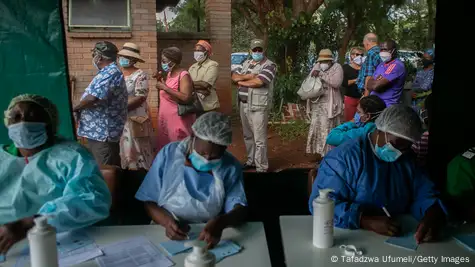
Meanwhile, on the ground, patients tell a different story. Harare resident Lisa Chindeya, who regularly takes her sister to Parirenyatwa Hospital for cancer treatment, says they often face long waits, limited equipment, and are sometimes forced to buy their own medical supplies.
Experts say the healthcare crisis stems from years of underfunding, a brain drain of medical professionals moving abroad, and outdated infrastructure.
According to Itai Rusike of the Community Working Group on Health, Zimbabwe’s health budget for 2025 has shrunk to just over 10% of public spending — far below the 15% target agreed under the African Union’s Abuja Declaration.
Rusike warns that given the country’s rising population and new disease outbreaks, even the Abuja target is no longer sufficient.
The country’s healthcare workforce is also under immense pressure. Thousands of nurses and doctors have left Zimbabwe for better-paying jobs overseas, with many more blocked from leaving after the government withheld the verification letters needed to secure foreign positions.
The Zimbabwe Nurses Association estimates that a qualified nurse earns just $255 a month — far below the estimated minimum living wage of $840. Since 2019, the World Health Organization says over 4,600 healthcare workers have left Zimbabwe, leaving hospitals dangerously understaffed.
Despite repeated protests and petitions from healthcare professionals, government action has been limited. Political activist Linda Masarira is now spearheading a national petition urging the president to act, warning that more than 60% of Zimbabweans are dying prematurely due to lack of access to basic healthcare.
Masarira says, “If we don’t speak up now, we risk losing more lives to preventable causes.”
For now, the government maintains that the system is functioning — but as pressure builds from citizens, activists, and health experts, the question remains: Will Zimbabwe’s leaders take the urgent steps needed to rescue the country’s failing healthcare system?
We will continue to follow this story closely.
Reporting by Ehud Jones.