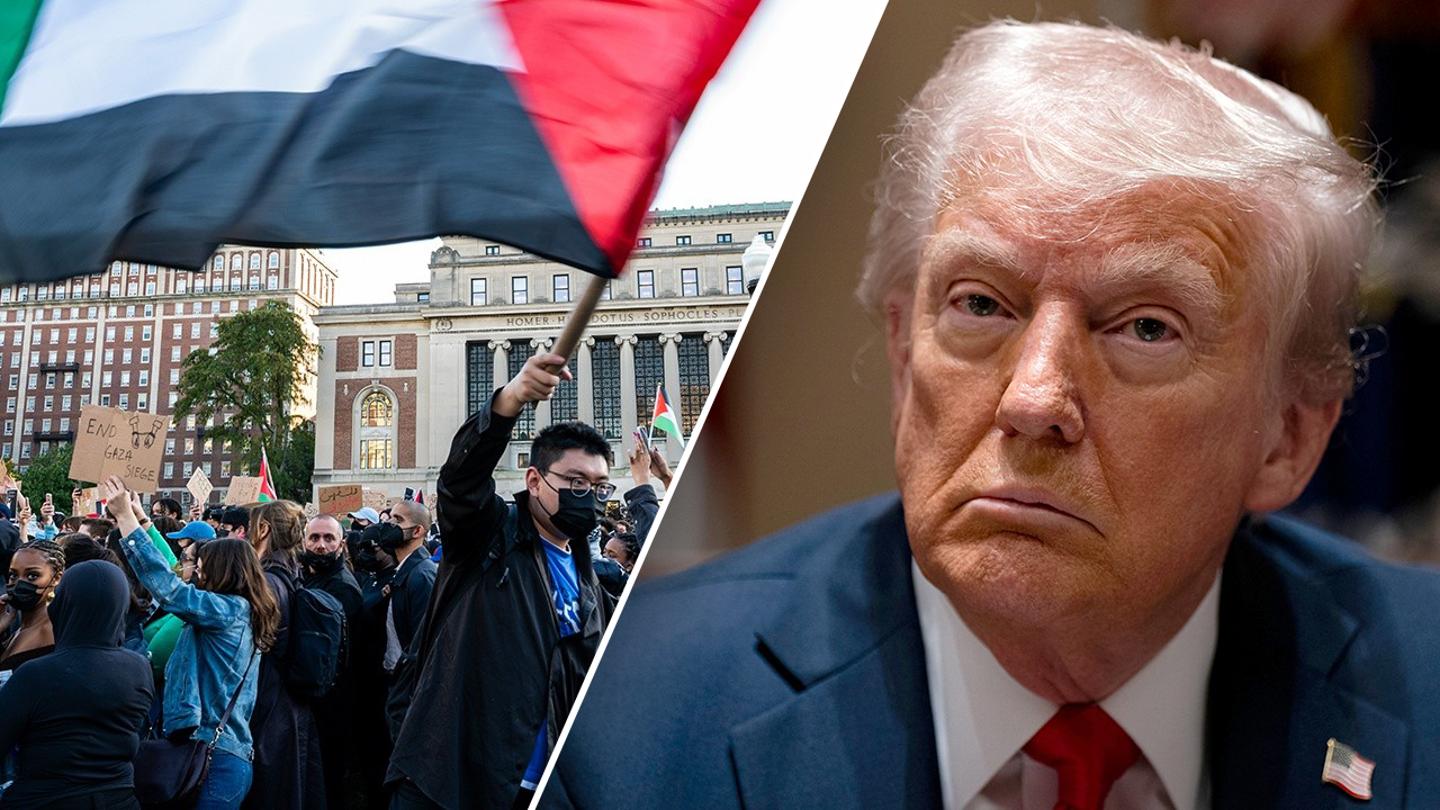
We have a headline-breaking development out of New York, where Columbia University has reached a historic $221 million settlement with the federal government to resolve civil rights investigations—most notably related to alleged antisemitic discrimination on campus.
The agreement, announced today by the White House, was negotiated under the administration of President Donald Trump, and includes $200 million over three years for addressing discriminatory practices, and $21 million specifically to settle claims involving antisemitic employment bias against Jewish faculty following the October 7, 2023, Hamas attacks in Israel.
The White House is calling it the largest antisemitism-related settlement in U.S. history. Columbia confirmed the financial figures but stopped short of endorsing that characterization.
As part of the deal, Columbia will regain access to billions in federal research grants from agencies including the National Institutes of Health and Health and Human Services, many of which had been suspended. The university has also agreed to an independent monitor and sweeping campus reforms.
These include stricter campus protest guidelines, the transfer of disciplinary power from faculty to administration, and the appointment of new civil rights coordinators under Title VI and Title VII.
Education Secretary Linda McMahon praised the deal as a transformative milestone in combating antisemitism on campus.
“This is a seismic shift in our nation’s fight to hold institutions that accept taxpayer dollars accountable for antisemitic discrimination and harassment,” she said, adding that elite universities have become, quote, “overrun by anti-Western teachings and groupthink that fuels censorship and intolerance.”
The deal was welcomed by Columbia/Barnard Hillel, the university’s Jewish student organization, which called the agreement an “important recognition” of the reality Jewish students have been facing.
“Antisemitism at Columbia is real,” said Executive Director Brian Cohen, “and it has had a tangible impact on Jewish students’ sense of safety and civil rights. This agreement lays out a roadmap we intend to help enforce.”
In a public statement, Acting Columbia President Claire Shipman acknowledged the need for reform, citing “painful, unacceptable incidents” but denied any legal wrongdoing by the university. She emphasized that the agreement preserves academic freedom while allowing federally funded research to resume.
“This settlement safeguards our independence and ensures that essential research can continue,” Shipman said. “It’s a step forward after a period of deep federal scrutiny.”
However, not all elements of the White House announcement were echoed by Columbia. The university did not confirm claims that it had agreed to review Middle East studies programs, international student admissions, or share data about its admissions process—areas that the administration said were under scrutiny.
The settlement formalizes earlier changes Columbia pledged this year—enhancing safety protocols, expanding bias training, and adopting the International Holocaust Remembrance Alliance (IHRA) definition of antisemitism.
Tonight’s agreement marks a dramatic turning point for one of America’s most prestigious universities—and raises new questions about the future of civil rights enforcement, academic freedom, and political pressure on higher education.
We will continue to follow this story as it develops.
Reporting by Katy Moore.