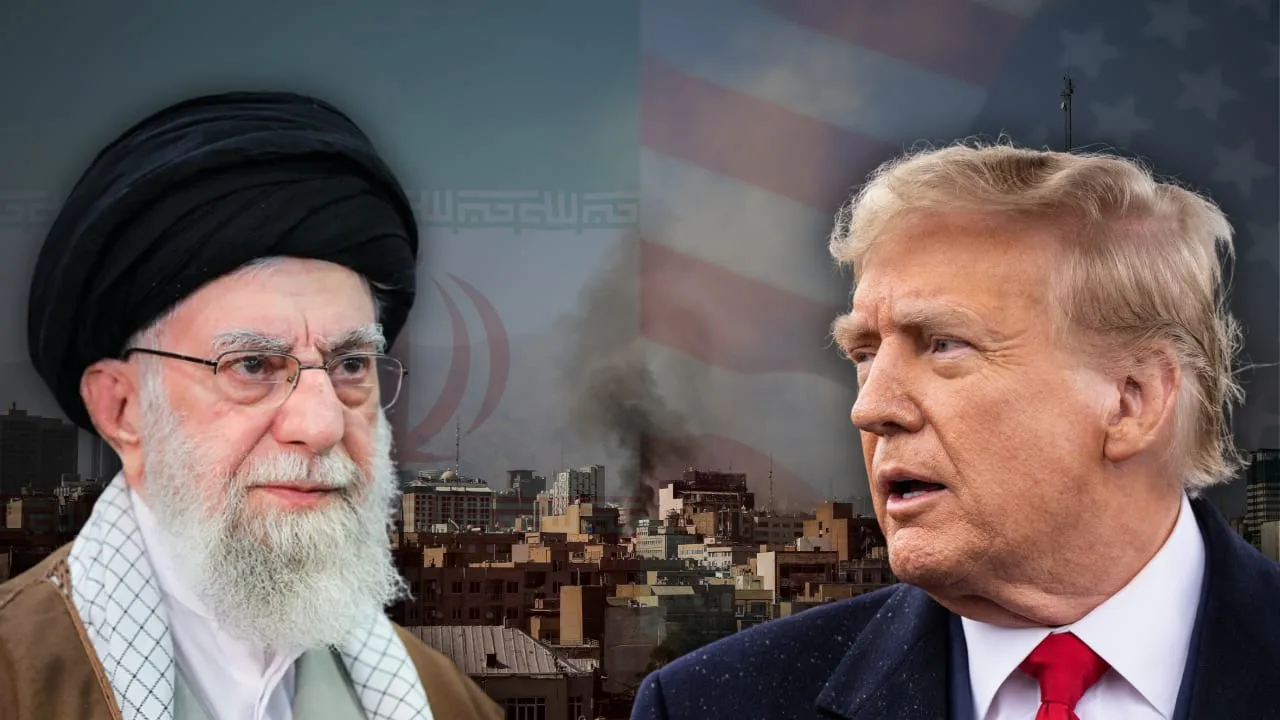
Escalating tensions in the Middle East are drawing global attention as President Donald Trump edges closer to authorizing military strikes against Iran. According to reports from The New York Times and The Wall Street Journal, the U.S. President has signaled to his top advisers that he is prepared to take military action, with one condition—Tehran must first refuse to abandon its nuclear ambitions. Sources familiar with the internal discussions say that while Trump has approved strike plans, he is holding off on final authorization to see if diplomacy can still force Iran’s hand.
This comes amid growing confusion about the purpose of back-channel talks between U.S. and Iranian officials. Iranian diplomats believed discussions would center on a potential ceasefire with Israel. However, the Trump administration insists that the talks are strictly about halting Iran’s nuclear program.
On Wednesday, General Michael Kurilla, head of U.S. Central Command, met with President Trump and presented a range of military options concerning Iran. When pressed by reporters later, President Trump cryptically stated, “I may do it, I may not do it,” while warning, “The next week is going to be very big.”
In a rare development, Iranian Foreign Ministry officials expressed willingness to engage in direct dialogue with Washington. Speaking anonymously, one senior official confirmed that Iran is open to a meeting with President Trump, but its primary interest lies in securing a ceasefire with Israel—suggesting a fundamental gap in expectations from both sides.
Meanwhile, the Iranian public continues to feel the brunt of intensifying conflict. As Israeli warplanes pound strategic sites across Tehran, civilians are seen fleeing the capital in droves. Supreme Leader Ayatollah Ali Khamenei has rejected Trump’s demand for unconditional surrender, warning that if the U.S. launches an attack, it will “undoubtedly face irreparable harm.”
Elsewhere on the global stage, Russian President Vladimir Putin weighed in on the growing crisis. Speaking Wednesday night, Putin called for an immediate halt to hostilities between Israel and Iran. He emphasized the need for a diplomatic resolution that considers both Israel’s security and Iran’s right to peaceful nuclear energy.
“In general, such a solution can be found,” Putin told Russian reporters. “We must ensure the interests of both sides—Israel’s unconditional security and Iran’s right to peaceful nuclear development.”
Putin also revealed that roughly 250 Russian nationals are currently working inside Iranian nuclear facilities and insisted that Moscow would not abandon them. While acknowledging that Russia has sold military equipment to Iran, Putin claimed that the sales were not tied to the current war and were compliant with international law.
The Kremlin leader also dismissed speculation that Israel may attempt to assassinate Ayatollah Khamenei and asserted that Iranian society is consolidating around its leadership in the face of external threats.
As the diplomatic chess game continues and the region teeters on the edge of war, the world braces for what could be a defining moment in U.S.–Middle East relations.
We will continue to monitor this developing story. Stay with SNEWS TV for real-time updates and expert analysis.
Reporting by Carl Montel.