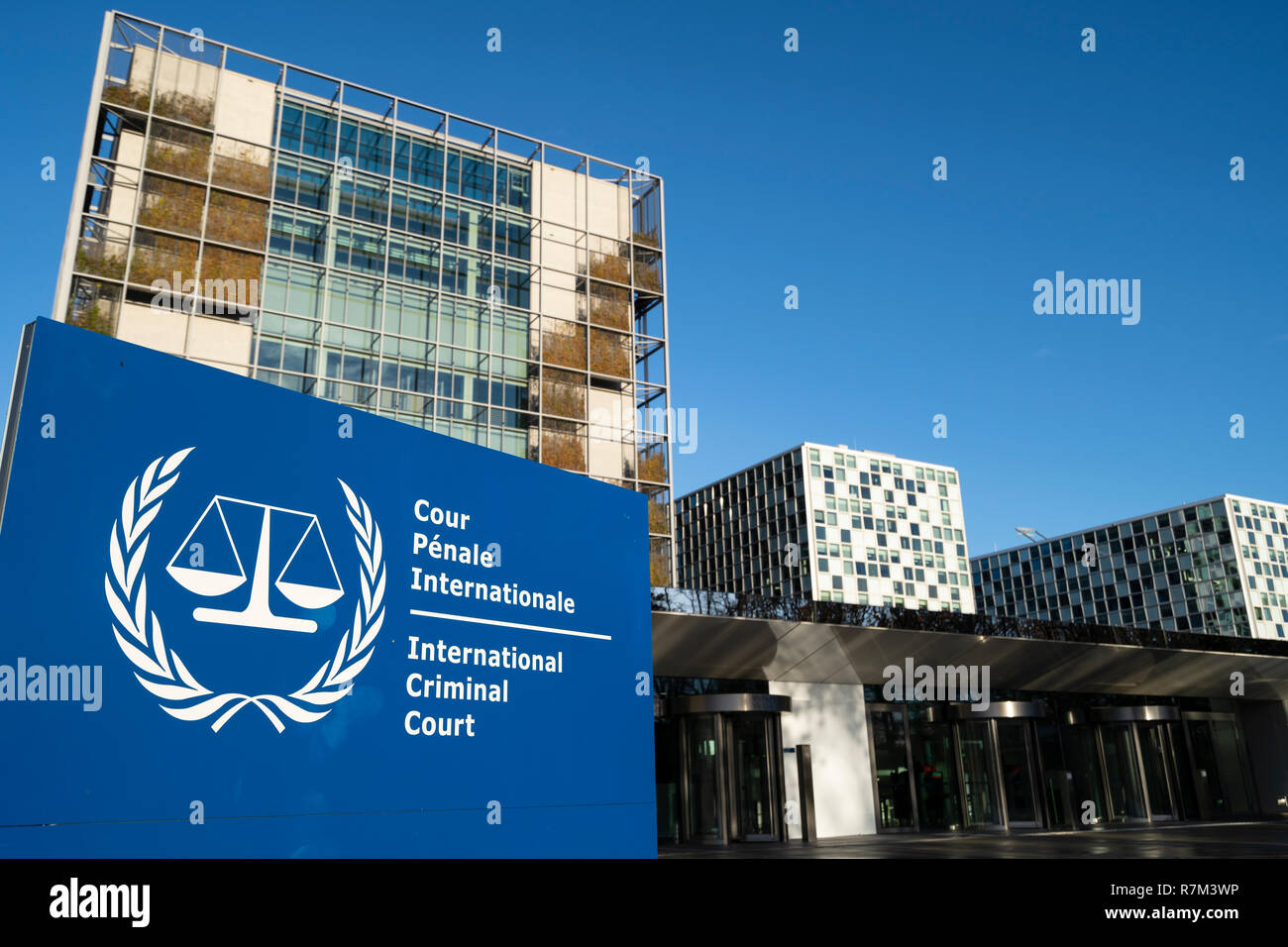
Tensions are escalating on the international legal stage tonight, as U.S. Secretary of State Marco Rubio has announced a new wave of sanctions targeting the International Criminal Court—commonly known as the ICC. The move follows the court’s controversial investigations into alleged war crimes committed by both the United States and Israel.
The sanctions, announced Thursday, fall under an executive order signed by former President Donald Trump and still in effect today. The order permits punitive actions, including visa bans and financial restrictions, against ICC officials deemed to be acting against U.S. interests.
Four ICC judges are now the latest targets:
-
Solomy Balungi Bossa of Uganda,
-
Luz del Carmen Ibáñez Carranza of Peru,
-
Reine Adelaide Sophie Alapini Gansou of Benin,
-
and Beti Hohler of Slovenia.
According to the U.S. State Department, Judges Bossa and Carranza supported an ICC investigation into alleged war crimes by U.S. forces in Afghanistan, while Judges Gansou and Hohler authorized arrest warrants for Israeli Prime Minister Benjamin Netanyahu and former Defense Minister Yoav Gallant—both accused of crimes against humanity related to actions in Palestinian territories.
Secretary Rubio defended the sanctions in a sharp statement, calling the ICC’s efforts “illegitimate” and a direct challenge to the sovereignty of both the United States and its key ally, Israel.
Rubio said, “The United States will take whatever actions we deem necessary to protect our sovereignty, that of Israel, and our allies from unlawful interference by the ICC.”
The International Criminal Court swiftly condemned the move, accusing Washington of trying to undermine a global system of justice supported by 125 nations. In a strongly worded statement, the Court said these measures were not just attacks on its personnel—but also on the very principle of international justice.
“These sanctions harm innocent victims, obstruct justice, and embolden those who commit the gravest crimes with impunity,” the ICC declared.
The Court emphasized it remains committed to delivering justice for victims of war crimes, crimes against humanity, genocide, and aggression—working under the Rome Statute, the treaty that governs its mandate.
This latest development follows a long-standing tension between the U.S. and the ICC, dating back to a 2020 decision authorizing investigations into potential crimes committed in Afghanistan, including by U.S. forces. That same year, then-President Trump imposed similar sanctions on the ICC’s chief prosecutor, Karim Khan.
As global reactions begin to pour in, many legal experts warn that this clash could deepen divides between international institutions and powerful nations who question their authority.
We will continue to follow this story closely.
Reporting by Carl Montel.