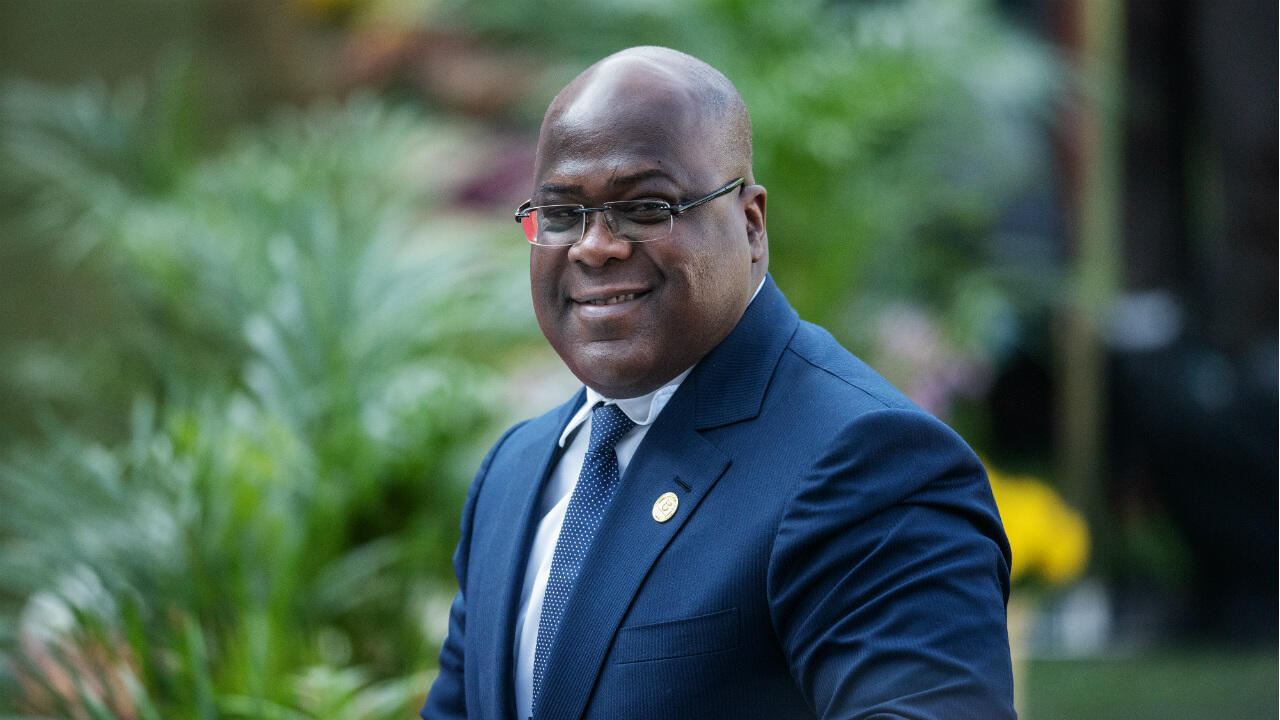
President Felix Tshisekedi of the Democratic Republic of Congo has declared that atrocities in his country over the past three decades meet the threshold of genocide, and he is calling for immediate international action.
Speaking in New York on the sidelines of the United Nations General Assembly, President Tshisekedi urged the UN and the global community to back a ‘truth mechanism’ aimed at documenting these crimes, which he warns are ongoing. ‘Recognizing genocide means protecting the future by refusing to forget,’ he said.
The Democratic Republic of Congo has been mired in conflict since the aftermath of the 1994 Rwandan genocide, which spilled across the border. Decades of war and unrest have left millions dead, primarily from preventable diseases and famine, and violence continues to plague the eastern regions of the country.
President Tshisekedi highlighted the ongoing struggle against dozens of armed groups, including the Rwanda-backed M23 rebels, who currently occupy parts of mineral-rich eastern Congo. Rwanda has denied supporting the rebel group.
The humanitarian crisis is severe. The UN reports that approximately 5.3 million people are displaced, mainly due to violence in the east. Sexual violence has reached ‘an unprecedented level,’ according to UN Special Representative on Sexual Violence in Conflict, Pramila Patten. Since the beginning of this year alone, a child has been raped every half hour in eastern Congo.
‘The population is paying an unbearable human price,’ Tshisekedi said, stressing the urgent need for global intervention to protect civilians and hold perpetrators accountable.
This marks a pivotal moment as the international community faces mounting pressure to respond to one of the world’s most persistent and deadly humanitarian crises.
Reporting by Ehud Jones.