A growing alarm over Iran’s expanding operations in Africa and the serious threat those activities may pose to U.S. national security. Both the U.S. State Department and Senator Jim Risch, Chairman of the Senate Foreign Relations Committee, have issued warnings that Tehran’s influence across the African continent is raising red flags. They join a chorus of analysts describing Iran’s actions as “significant threats” to U.S. national interests.
Iran’s Reach in Africa
Iran stands accused of illicit uranium deals, arms transfers, and spreading extremist ideology. According to reports first surfaced by Africa Intelligence and confirmed by Washington-based analysts, Iran has been negotiating the purchase of over $50 million worth of uranium known as “yellow cake” from Niger. Experts estimate this supply could be enough to build 30 nuclear weapons. Some deliveries, it’s alleged, have already begun.
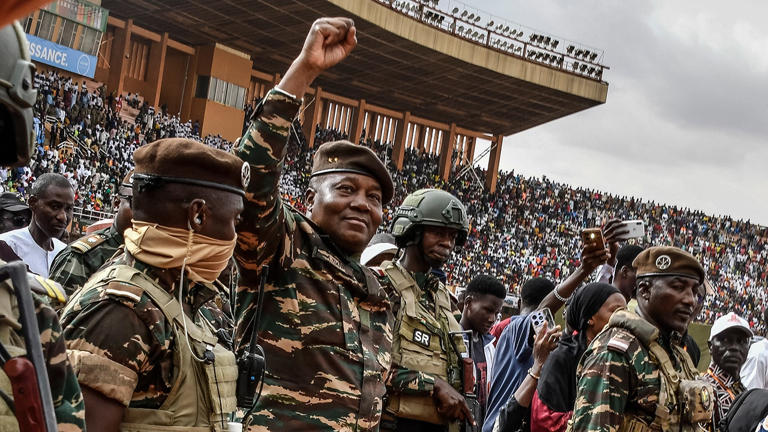
Tehran’s ambitions don’t stop there. Iranian officials are reportedly seeking to directly mine uranium in Niger’s Imouraren region, an area believed to contain over 200,000 tons of the radioactive metal. The country’s new military-led government, following the 2023 coup, has ended agreements with both France and the United States, expelling foreign mining operations and closing two U.S. anti-terror bases a move seen as aligning more closely with Russia and Iran.
Behnam Ben Taleblu, senior director at the Foundation for Defense of Democracies, warns of a secret uranium-for-drones deal between Iran and Niger, telling SNEWS TV that “the Islamic Republic is an opportunistic actor” whose activities in Africa reflect a broader geopolitical strategy.
Drones, Gold, and Destabilization
In Sudan, U.S. officials confirm that Iran has supplied Mohajer-6 combat drones to government forces drones that were reportedly used in recent offensives to retake Khartoum and the presidential palace. The State Department has expressed concern over foreign actors, including Iran, fueling civil conflict and prolonging violence.
Tehran’s growing interest in Sudanese gold also adds a troubling economic dimension to its involvement. A State Department spokesperson said Iran’s nuclear ambitions, its sponsorship of terrorism, and destabilizing behavior “pose significant threats to U.S. national security and global stability,” adding, “Iran can never be allowed to obtain a nuclear weapon.”
Exporting Ideology and Terror
Beyond weapons and minerals, Iran is allegedly engaging in a broader campaign of ideological and psychological warfare. Frans Cronje, president of the Yorktown Foundation for Freedom, explains that Iran’s Africa strategy operates on three fronts:
-
Support for Extremist Groups: Iran reportedly trains and supplies terror cells to attack pro-Western and Christian communities, creating dangerous environments for investors and civilians alike.
-
Religious Radicalization: Through over 30 Al-Mustafa-linked cultural centers, Iran promotes radical interpretations of Islam to both Shia and Sunni populations.
-
Diplomatic and Economic Influence: Tehran is cultivating ties with African governments to bypass sanctions and secure diplomatic backing at global forums like the United Nations. Just recently, over 700 delegates from 40 African nations attended an investment conference in Tehran.
Cronje warned that the continent has become a new frontline in Iran’s global strategy. African nations now account for the majority of worldwide terror-related deaths, with Christian communities facing unprecedented violence.
Final Word
Summing up the crisis, Taleblu said, “From exporting revolution to drone sales, Iran, the world’s top state sponsor of terrorism is exploiting Africa to spread chaos while remaining below the radar of Western oversight.”
As the U.S. and its allies monitor these developments, pressure is mounting for a coordinated international response to Iran’s deepening involvement in Africa.
Stay tuned to SNEWS TV for continuing coverage.
Reporting by Ehud Jones.