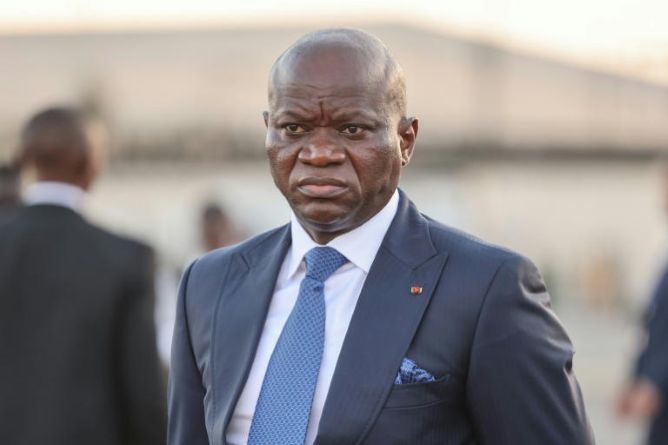
Less than a year after his election, Gabonese President Brice Oligui Nguema is confronting his first significant social unrest as teachers strike and other public sector workers threaten to join the protest.
The current wave of strikes began with teachers in December, marking the first major labor action since 2022 under former President Ali Bongo, whose family ruled Gabon for over five decades. Oligui came to power following a military coup that ousted Bongo, addressing some teacher concerns during the transitional period leading up to his April 2025 election victory—an election he won decisively with promises of reform and improved living standards.
However, growing frustration is now evident among the public. Teachers initiated the strike over stagnant wages and poor working conditions, issues that have since spread to other public sectors including healthcare, higher education, and national broadcasting.
The root of the unrest traces back to a decade-old wage freeze imposed by the Bongo administration. This freeze halted the usual salary progression for civil servants, leaving many struggling to cope with rising living costs. Currently, entry-level teachers earn about 350,000 CFA francs (approximately $640) monthly—a sum increasingly insufficient given Gabon’s inflation averaging 2.6% annually from 2016 to 2024.
President Oligui’s spokesperson acknowledged the legitimacy of the strikers’ grievances, attributing them to years of mismanagement under the previous regime. However, the situation escalated when two prominent protest leaders, Marcel Libama and Simon Ndong Edzo, were briefly detained, sparking fear among teachers and parents and creating a reluctance to speak openly about the strike.
The release of these leaders came after the SOS Education group, which has organized the industrial action, refused to resume negotiations until their freedom was secured. Amid widening strike threats, Oligui recently engaged with union representatives from healthcare and higher education sectors. Additionally, Gabon’s communications minister promised to meet demands from striking employees at Gabon Television, whose protests disrupted programming for three days.
Political analyst Lysiane Neyer Kenga commented that the unrest reflects the high expectations President Oligui raised during his campaign. “He inspired hope by declaring his enemies to be unemployment, insecurity, and inadequate infrastructure,” she said. “It was on this platform that most Gabonese placed their trust in him.”
Meanwhile, Magloire Memiaga, Secretary General of the National Education Union, acknowledged the difficult legacy left by past administrations but emphasized that Oligui had committed to ending the wage freeze— a promise yet to be fulfilled after two years in office.
As tensions simmer, the new president faces mounting pressure to deliver on his pledges and restore stability to Gabon’s public sector workforce.
Reporting by Ehud Jones.